Dowel bar retrofit guide: First road replacement day tips
"The first step in road replacement is often a matter of precision cutting and careful preparation to ensure the longevity of the pavement."
A first road replacement day involves assessing the existing surface and preparing specialized slots for reinforcement. This guide covers the initial stages of dowel bar retrofit, including slot dimensions and tool selection.
Key takeaways include understanding slot tolerances, avoiding heavy jackhammers to prevent cracking, and managing unsuitable materials.
How do workers prepare the first road replacement?
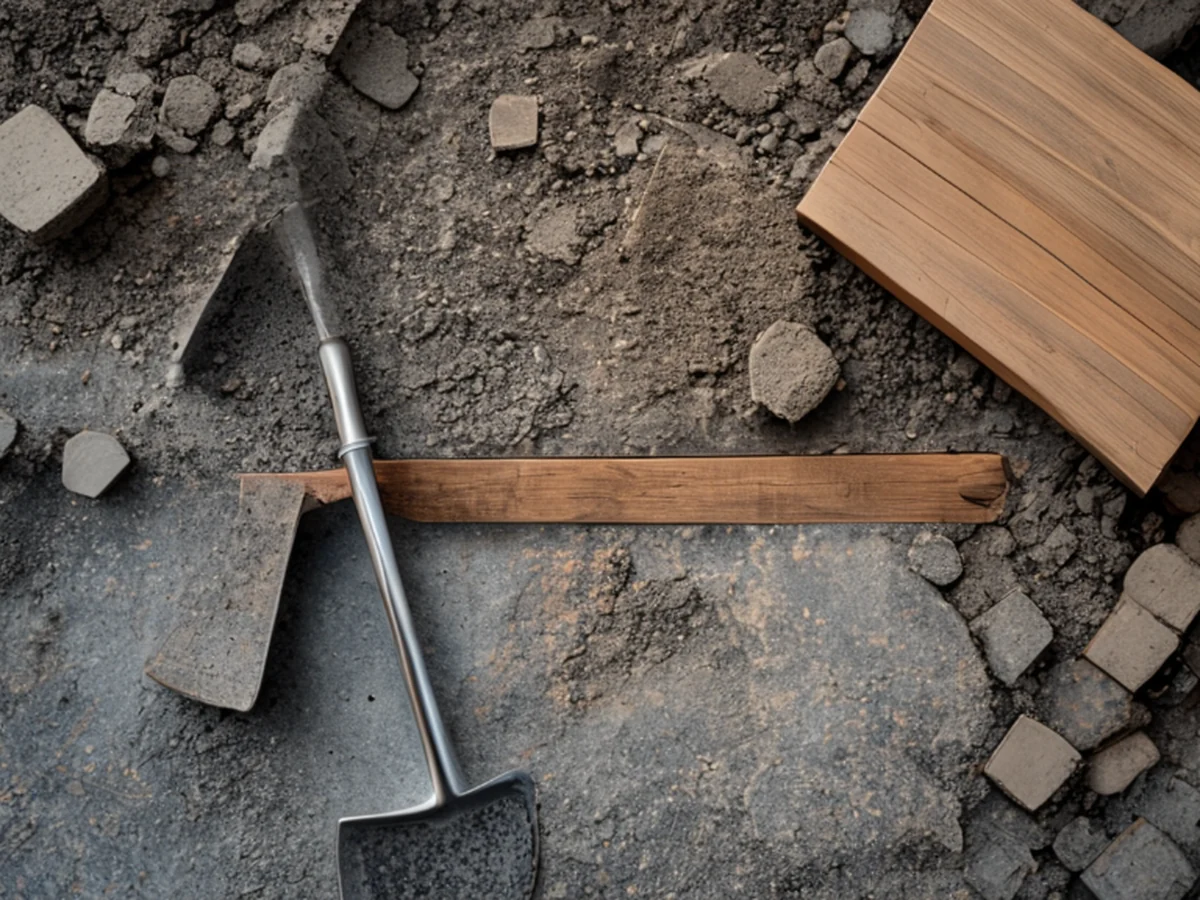
A worker stands at the edge of a weathered concrete slab, looking at the cracks that necessitate a new surface. The process begins with creating specific rectangular slots to house dowel bars.
According to a 2009 report released by the American Association of State Highway and Transportation Officials, about 50% of the roads in the US are in bad condition, with urban areas worse. This reality makes the first road replacement day a frequent necessity for maintenance crews.
The work begins with identifying where the pavement needs reinforcement.
The team prepares the site by ensuring the base is stable. If rock or other unsuitable material is discovered, it is removed. Moisture content is managed and replaced with standard fill compacted to meet the design requirements. This preparation ensures the new structure sits on a solid foundation.
What are the specific dimensions for a new road work start? First road replacement day
A technician holds a measuring tape against a freshly cut groove in the pavement. Precision is vital when creating these openings to ensure they align perfectly with the roadway center line.
Each rectangular slot has a width of about 2.5 inches (6.4 cm) and a length of about 2 feet (61 cm) or more. These openings are cut parallel to each other and to the center line of the roadway. The team maintains a maximum tolerance of 1/4-inch per 12 inches of dowel bar length.
Maintaining these tight tolerances is a primary goal during a new road work start. If the cuts are uneven, the reinforcement will not sit correctly. The crew checks each measurement to prevent structural failure later.
How do they manage road repair first steps without damage?
A heavy machine sits idling near a concrete slab, its operator checking the weight of the attachments. The crew discusses the risks of using improper tools on the brittle surface.
The use of heavy jackhammers, specifically those heavier than 14 kg class, tends to cause cracking of the concrete all around the slots. To avoid this, workers select tools that provide enough power without compromising the integrity of the surrounding pavement.
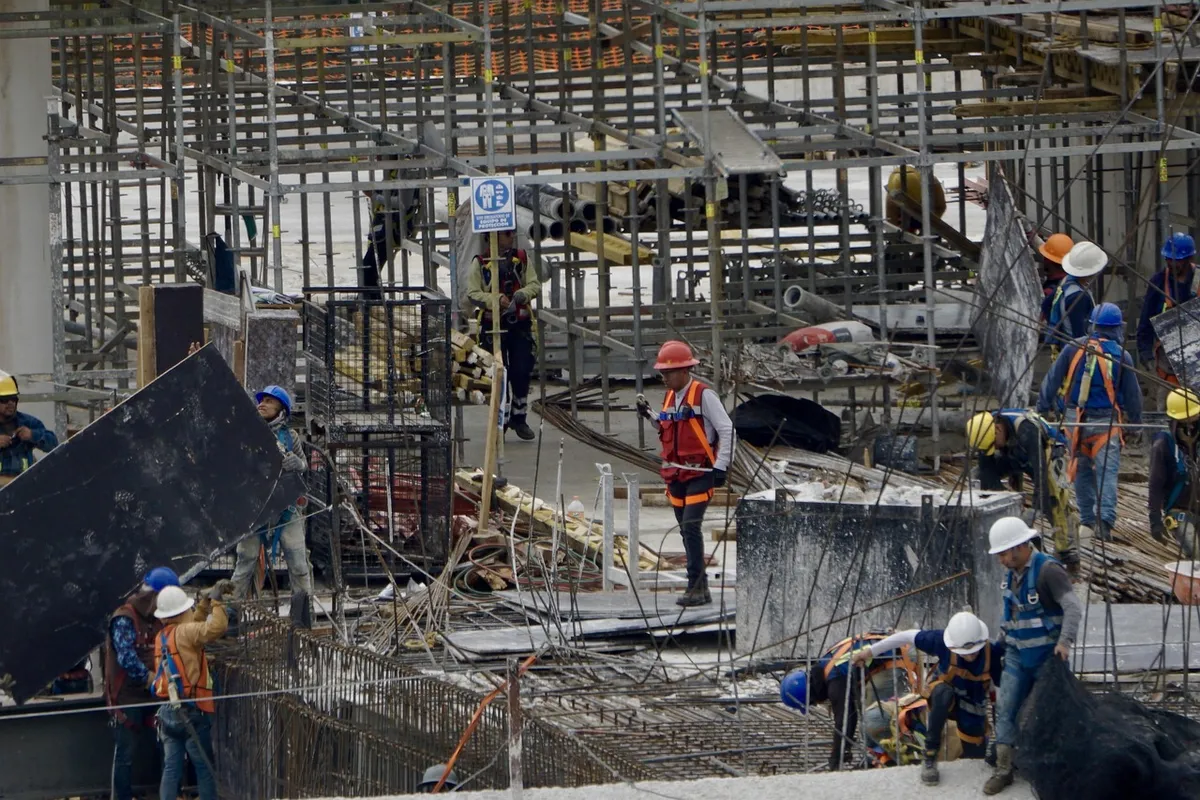
During these road repair first steps, protecting the existing concrete is as important as making the cuts. If the surrounding area cracks, the entire retrofit might fail. The team carefully monitors the vibration and impact of every tool used.
What characterizes daily road maintenance through retrofit?
A worker wipes sweat from their forehead while looking at a series of parallel lines cut into the street. The pattern of the cuts tells a story of the work completed.
The completion of the dowel bar retrofit process usually leaves marks on the concrete pavements. These marks consist of short parallel lines in two groups, left and right, 18 inches (46 cm) inward the traveling lane from the lane markings. This pattern is a signature of a successful retrofit.
Effective daily road maintenance requires following these specific geometric patterns. The finished product must look uniform to ensure load distribution. The crew inspects the finished lines to ensure they meet the required placement.
How do they handle a beginning in daily road upkeep guide?
A supervisor walks along the lane markings, checking the distance from the edge of the road. The team prepares to move to the next section of the street.
The finished pattern serves as a guide for the next phase of construction. Because the slots are cut at specific distances from the lane markings, the team can verify the alignment across the entire length of the road.
A well-executed beginning in a daily road upkeep guide ensures that the reinforcement is placed exactly where the load-bearing requirements demand. The team ensures each slot is ready for the dowel bars.
What are the challenges in a beginning in road replacement?
A worker inspects a deep crack that has formed near a freshly cut slot. The team pauses to evaluate if the tool used was too heavy.
One limitation is that the use of heavy jackhammers (heavier than 14 kg class) tends to cause cracking of the concrete all around the slots. This can undermine the stability of the retrofit.
To manage this, the team follows these steps:
- Identify the specific area requiring a rectangular slot. 2. Use appropriately sized tools to cut the 2.5-inch wide openings. 3. Verify that the cuts remain within the 1/4-inch per 12-inch tolerance.
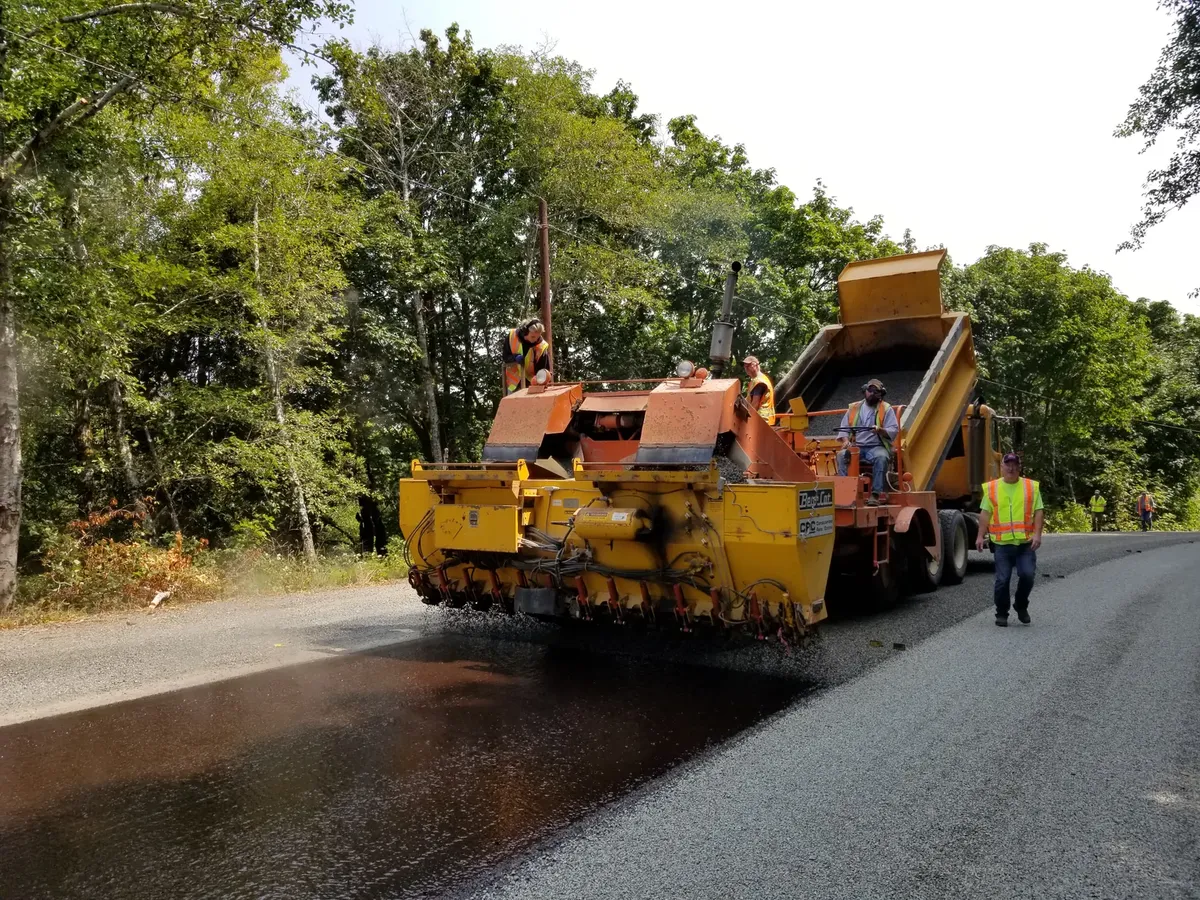
I noticed during the inspection that ensuring the tool weight did not exceed the 14 kg limit was critical for preventing cracks. A final check involves verifying that the slots are parallel to the center line.
If the material underneath is unsuitable, it must be replaced with standard fill.
- How do workers prepare the first road replacement?
- What are the specific dimensions for a new road work start?
- How do they manage road repair first steps without damage?
The same subject is also called Begin road replacement.
This part also covers Road technician first day.
This part also covers Safety in road work start.
Related
- Subway operations technician how to manage daily tasks
- Highway maintenance worker jobs: Why safety is critical
What conditions dictate the successful first step? Successful completion of the first step relies on maintaining strict dimensional accuracy during slot creation. The team must verify that the cuts align perfectly with the roadway center line to guarantee proper reinforcement placement. Furthermore, the base preparation must confirm that the foundation is stable before any cutting begins.
This initial phase demands careful material management; unsuitable material discovered beneath the slab must be removed and replaced with standard fill compacted according to design specifications. Adhering to these foundational checks prevents issues later in the retrofit process.
The precision cutting itself is a critical condition, requiring adherence to the slot tolerances to ensure the dowel bars seat correctly. This attention to detail during the first step prevents structural compromise down the line.
What is the comparison between tool use and pavement integrity in the first step? The comparison between tool selection and pavement integrity highlights a significant risk during the first step. Heavy jackhammers exceeding 14 kg class create a condition where concrete cracking occurs around the slots. Workers must contrast the power needed for the cut against the risk of damaging the surrounding brittle surface.
To mitigate this, the team selects tools that offer sufficient cutting capability while avoiding the excessive impact that leads to widespread cracking. This careful selection is part of managing the initial road replacement day.
Maintaining the tight tolerance, specifically the 1/4-inch per 12-inch limit, serves as a direct comparison point for the quality of the cut against the required standard. If the cut deviates, the reinforcement will not achieve the intended structural support.





Comments 0