Business leader skills: How to adapt to technological shifts
"The intersection of capital management and strategic leadership defines the modern executive."
Professional management and investment roles require a dual mastery of fiscal oversight and long-term strategic vision to steer complex organizations through changing markets.
This guide explores the core competencies of global business leaders, focusing on the integration of financial acumen and operational management.
Key takeaways include the necessity of specialized knowledge, the importance of oversight in professional bodies, and the ability to manage large-scale acquisitions.
What are my core tasks as an investment leader? At dawn, the leader grips a cold fountain pen while staring at the desk to finalize the complex business merger.

An investment leader stands before a desk covered in market reports, evaluating the viability of massive capital shifts. They must process vast amounts of data to make decisions that affect thousands of employees and billions in assets.
The primary task involves identifying value and executing strategic acquisitions to grow an organization's footprint. For example, in June 2017, investment funds managed by Apollo acquired 80.1% of Philips Lumileds division for $1.5 billion.
This type of high-stakes decision-making requires an understanding of both immediate cash flow and long-term industrial positioning.
Leaders must also manage the integration of diverse business units after an acquisition is finalized. Success is not just about the purchase price but about the seamless transition of leadership and resources.
This process demands constant vigilance over market trends and internal operational health.
However, these core responsibilities may become less effective during periods of extreme market volatility where instinct overrides strategy.
Where should I apply my physical energy as a leader?
The leader walks through the quiet office at midnight, feeling the heavy air as they oversee the expanding business. A leader walks through a sprawling corporate headquarters, observing the rhythm of daily operations and the movement of people. While much of the work is mental, the physical presence of a leader is essential for maintaining company culture and oversight.

The physical aspect of leadership involves travel, site visits, and the stamina required for long negotiation sessions. Leaders often move between boardrooms, airports, and various international offices to oversee global interests.
This mobility is a constant requirement for those managing diverse portfolios across different time zones.
Managing physical assets and human capital requires presence and the ability to engage with various levels of an organization. A leader must be able to stand firm during high-pressure meetings and maintain energy throughout extended periods of travel.
This physical engagement ensures that the strategic vision is communicated effectively across the entire company.
I find that the second stage of engagement requires the most significant amount of stamina.
Where is the mental focus of management directed?
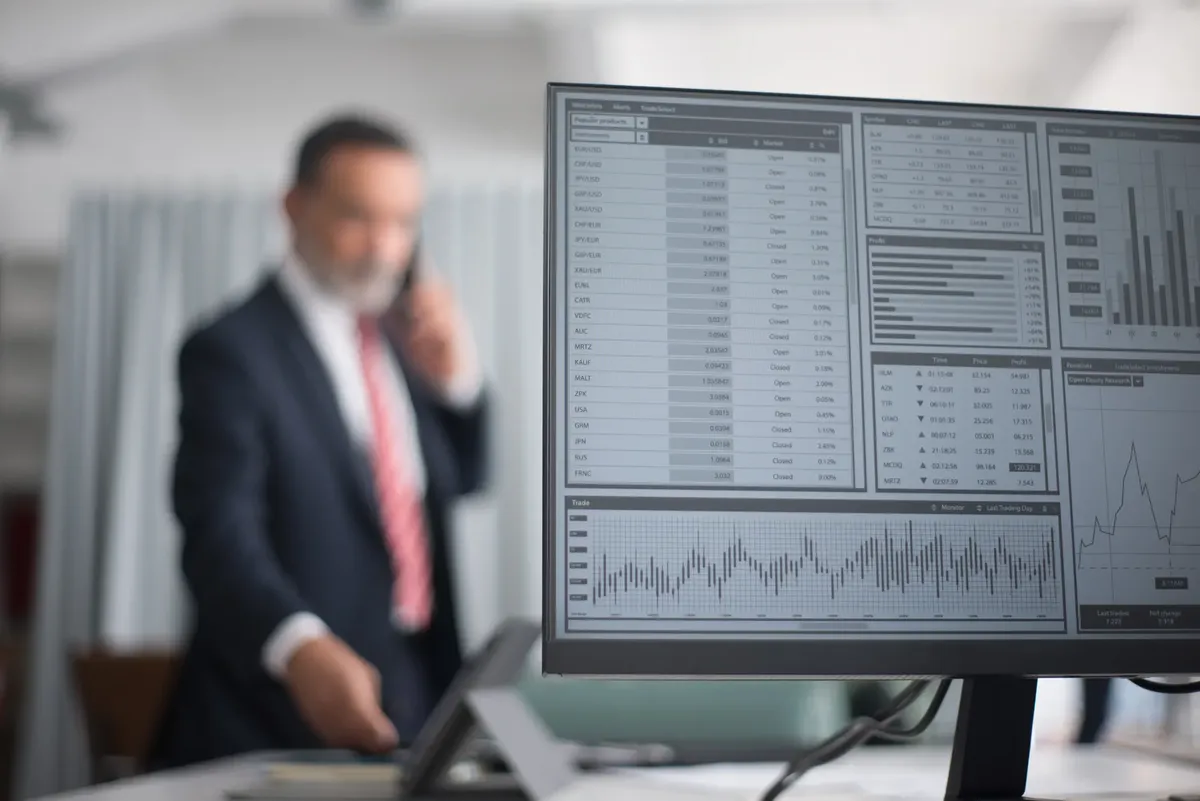
A manager sits in a quiet office, deeply focused on a complex spreadsheet that dictates the company's next fiscal year. The mental load of leadership involves constant analysis, risk assessment, and the management of human relationships.
Mental labor is centered on decision-making, strategic planning, and the management of complex legal and financial structures.
This level of professional oversight requires intense mental discipline to uphold standards and ethical guidelines.
Leaders must also manage the psychological aspects of leadership, such as motivating teams and managing conflict. The ability to process complex information while maintaining emotional intelligence is critical for successful management.
This mental agility allows leaders to pivot strategies when market conditions change unexpectedly.
This focus is not applicable when the primary objective is purely administrative rather than strategic.
What tools and results define the daily work?
An executive reviews a digital dashboard displaying real-time global market movements and company performance metrics. The tools of the trade have evolved from paper ledgers to sophisticated digital platforms, but the core objective remains the same: generating value.
The tools used by leaders include advanced financial modeling software, communication platforms, and data analytics tools. These resources allow for the precise tracking of investments and the efficient management of global teams.
The output of this work is the successful management of assets, such as when investment funds managed by Apollo acquired 90% of Yahoo! in September 2021.
The results of leadership are reflected in the company's growth, stability, and market share. A successful leader produces a legacy of sustainable value and a resilient organizational structure. These results are the tangible evidence of effective management and strategic foresight.

- Identify the necessary data inputs.
- Execute the analytical framework.
- Evaluate the output against benchmarks.
How is the current landscape of leadership changing?
A leader observes the rapid integration of new technologies within their existing business infrastructure. The current landscape is defined by rapid technological shifts and the increasing complexity of global markets.
The field is undergoing a transformation due to digitalization and the globalization of capital. Decisions made today must account for technological disruptions that can change an industry overnight.
For instance, in September 2004, investment funds managed by Apollo and Sterling Partners acquired Connections Academy, demonstrating the strategic acquisition of specialized entities.
The ability to adapt to these changes is what separates successful leaders from those who become obsolete. Continuous learning and the ability to integrate new tools into existing frameworks are essential for survival.
This constant evolution requires a mindset of perpetual adaptation and strategic flexibility.
The shift in leadership dynamics does not apply to highly regulated sectors where traditional hierarchies remain rigid.
What is the future of professional management?
A professional looks toward the horizon, considering the long-term implications of current technological and economic trends. The future of leadership will likely involve even greater integration of data-driven decision-making and global connectivity.
Future leaders will need to manage increasingly decentralized workforces and complex, multi-national regulatory environments.
The integration of artificial intelligence and automated systems will change the nature of tasks, shifting the focus even more toward high-level strategy and ethical oversight. This will require a new set of leadership competencies centered on managing human-machine collaboration.
As the scale of global business grows, the demand for specialized, highly skilled leaders will continue to rise. The ability to navigate uncertainty will remain the most critical trait for any professional in management or investment.
The future belongs to those who can balance technological proficiency with timeless leadership principles.
I believe the second step in this evolution is the most critical for long-term stability.
Related





Comments 0