Economist skills for business: Guide to fiscal modeling
"The ability to interpret complex datasets is the bedrock of modern fiscal decision-making."
Professional economists provide the analytical framework necessary to navigate shifting market variables and legislative changes.
This guide explores how specialized training translates into actionable business intelligence, the distinction between theoretical modeling and real-world growth, and the critical role of data management in modern economics.

Key takeaways: * Understanding the distinction between tax rates and revenue is fundamental to fiscal modeling. * Data acquisition costs represent a massive sector of modern corporate spending. * Professional expertise bridges the gap between theoretical policy and actual economic outcomes.
How do economists apply modeling to business?
At his mahogany desk during the late afternoon, the economist scribbles feverishly as the scent of old paper fills the room.
An economist sits at a desk, adjusting variables in a complex model to predict how a change in tax policy might affect consumer behavior. This process requires a deep understanding of how theoretical postulates, such as the Laffer curve, interact with real-world variables.
The Laffer curve embodies a postulate of supply-side economics: that tax rates and tax revenues are distinct, with government tax revenues the same at a 100% tax rate as they are at a 0% tax rate and maximum revenue somewhere in between these two values.
Applying these models involves identifying the optimal point where revenue is maximized without stifactly suppressing economic activity. Professional economists use these frameworks to advise firms on capital allocation and long-term planning.
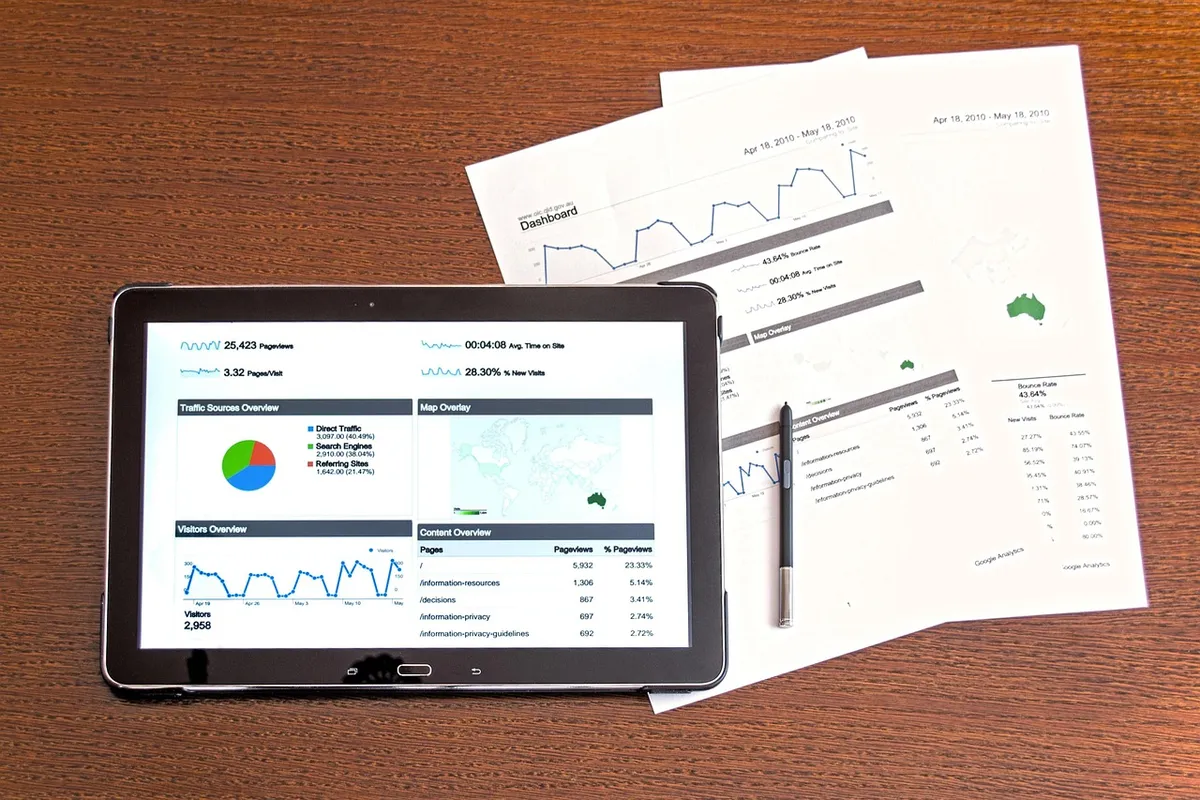
This specialized knowledge allows for the translation of abstract mathematical relationships into strategic business maneuvers.
- Identify key variables within the market structure.
- Construct mathematical representations of causal relationships.
- Run simulations to predict various business outcomes.
What is the scale of data-driven economics? Economist skills for business
The economist stares at the glowing monitor in the dark office, feeling the cool air of the server room against his skin.
A researcher pulls massive datasets from a server, looking for patterns in consumer spending that could dictate market trends. The sheer volume of information being processed is staggering, reflecting the massive investment in data analytics.
In 2018, American companies spent $19 billion acquiring and analyzing consumer data, according to the Interactive Advertising Bureau.
This massive expenditure highlights the importance of economist skills for business in an era where information is a primary commodity. Data science in finance jobs often requires the same rigorous statistical training used in academic economics to ensure accuracy.
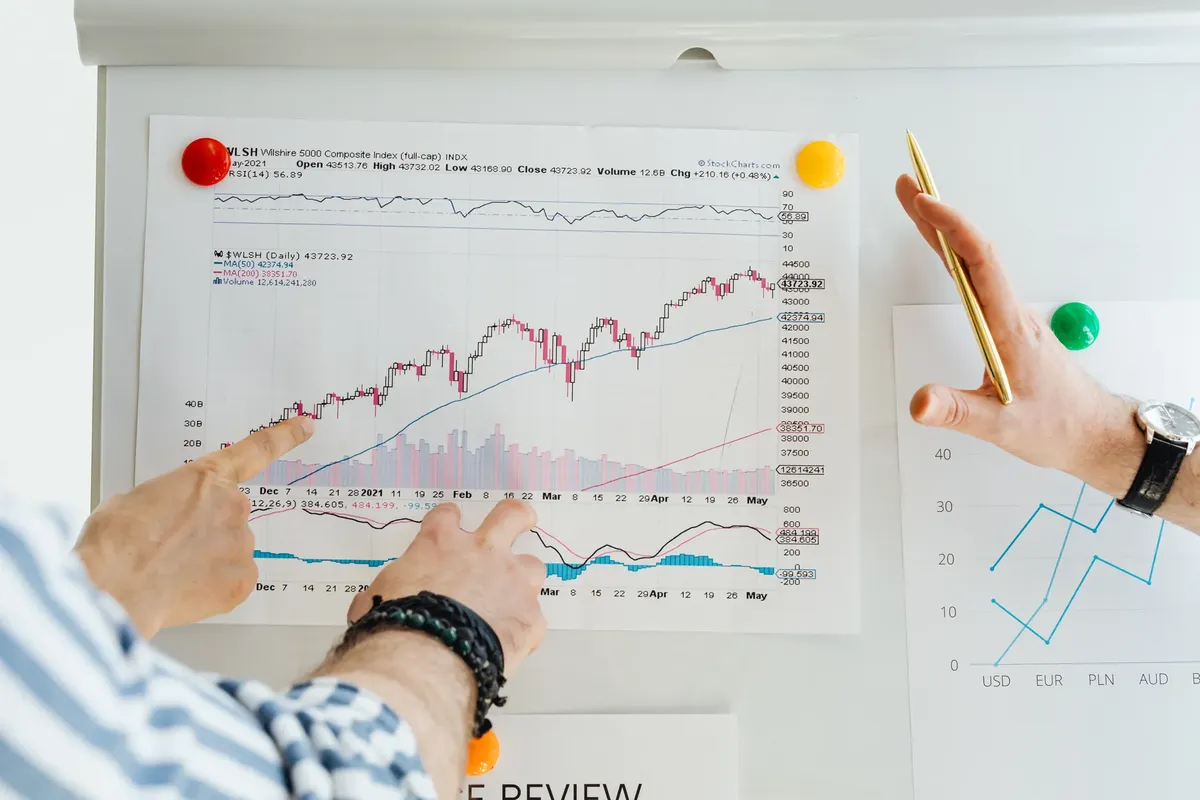
Expert economic roles frequently overlap with data management, as the quality of the output depends entirely on the integrity of the input.
In this sequence, the second step is the most extensive.
How does policy analysis affect economic growth?
A policy analyst reviews a legislative document, comparing projected growth against historical data to find discrepancies. This critical eye is necessary because theoretical benefits do not always manifest in the actual economy.
Analysis conducted by the Congressional Research Service on the first-year effect of the tax cut found that little if any economic growth in 2018 could be attributed to it.
Understanding these nuances is essential for business analyst skills when evaluating the impact of government intervention. Economic modeling for new firms must account for the fact that policy shifts can have delayed or negligible effects on growth.
Career path econ experts often involve evaluating these specific discrepancies to provide more accurate forecasts for stakeholders.
Can theoretical models be applied to specific conditions?
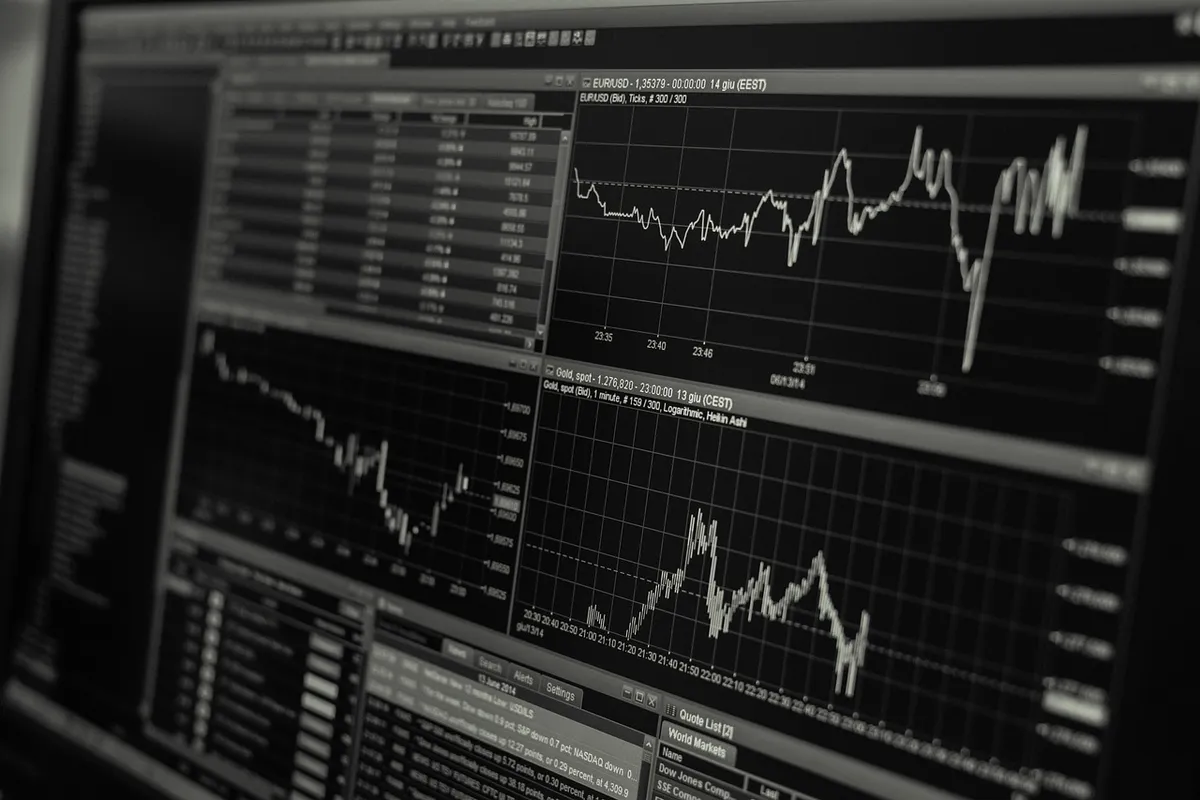
An economist examines a specific country's tax structure, looking for ways to improve compliance through rate adjustments. This requires applying general principles to unique, localized economic environments.
A 2008 working paper found that in the case of Russia, "tax rate cuts can increase revenues by improving tax compliance."
To apply these insights to a business or policy environment, follow these steps:
- Identify the current tax rate and the projected revenue impact within the specific jurisdiction. 2. Analyze historical compliance data to determine if rate changes will incentivize or discourage reporting. 3. Model the potential revenue-maximizing rate based on the specific elasticity of the local economy. 4. Perform a final check to ensure the model accounts for external shocks and global market trends.
I once observed how a slight adjustment in a modeled tax rate could completely change the projected revenue for a specific fiscal year.
One limitation is that theoretical models may not account for the specific political volatility of a single nation, meaning results from one region cannot be universally applied to another.
How is data management integrated into economic roles?

An auditor examines the transparency of data brokers to ensure that the information used in models is ethically and legally obtained. As the scale of data grows, the intersection of economics and data privacy becomes more complex.
Managing this data requires more than just technical skill; it requires an understanding of the regulatory environment. Professional economists must ensure that the data used for modeling is compliant with emerging privacy laws.
This intersection of regulation and data is where modern economic expertise is most heavily tested.
Economic modeling for firms
The same subject is also called Data driven econ analysis.
The same subject is also called Econ background management.
Related
- Business leader skills: How to adapt to technological shifts
- Software Engineers Power Tech career in computer revolution
What conditions must be met for model application to succeed?
Economic models require specific conditions to translate abstract mathematical relationships into strategic business maneuvers. The application of these frameworks demands that the input data accurately reflects the unique, localized economic environment being studied.
Professional economists must ensure the data used for modeling maintains integrity, as the quality of the output depends entirely on the integrity of the input.
A comparison between theoretical policy and actual economic outcomes shows that theoretical benefits do not always manifest in the actual economy, necessitating caution when applying general principles.
The ability to interpret complex datasets is therefore contingent upon recognizing these inherent limitations in the modeling process.
How does data integrity affect the ability to interpret fiscal trends?
Data integrity is crucial when an economist seeks to interpret complex datasets, particularly when analyzing consumer spending patterns. The sheer volume of information being processed requires rigorous statistical training to ensure accuracy in the resulting analysis.
When data acquisition costs represent a massive sector of modern corporate spending, the reliability of that acquired information becomes paramount.
Furthermore, the quality of the resulting economic forecast depends entirely on the integrity of the input data used by the analyst.
FAQ
How much did companies spend on data in 2018?
Related posts

Business leader skills: How to adapt to technological shifts

Software Engineers Power Tech career in computer revolution

Landlords' role: A guide to historical urban power dynamics




Comments 0