Highway maintenance worker jobs: Why safety is critical
A heavy rainstorm lashes against a windshield as a technician inspects a cracked asphalt seam.
Highway maintenance worker jobs involve the constant monitoring, repair, and structural upkeep of high-speed transit corridors to ensure public safety. This role requires a blend of physical stamina, technical knowledge of pavement integrity, and mental alertness to manage high-traffic environments.
This guide explores the essential duties, safety challenges, and operational realities of those who keep our roads functional.
What are the primary duties of a highway maintenance worker?

A worker stands at the edge of a concrete barrier, checking the alignment of a guardrail under a bright morning sun. The primary responsibility involves inspecting road surfaces, signage, and drainage systems to prevent structural failures.
According to a report published by the World Health Organization in 2004, some 1.2 million people were killed and 50 million injured on the roads around the world each year, making it the leading cause of death among children 10–19 years of age.
Maintaining these routes is a continuous cycle of assessment and intervention. Workers look for cracks, potholes, or erosion that could compromise vehicle stability. They also manage the installation of safety barriers and the upkeep of lighting systems.
By addressing these issues early, they prevent minor damage from turning into catastrophic road failures.
- Clearing debris and vegetation from road shoulders.
- Repairing potholes and cracks in the pavement.
- Maintaining signage and guardrails.
How do safety protocols shape highway upkeep roles?
At dusk, a technician pulls a bright vest tight against their chest before stepping toward the edge of the highway.
A technician adjusts a high-visibility vest before stepping near a moving lane of traffic. Safety is the most critical element when performing highway upkeep roles, as workers frequently operate in close proximity to high-speed vehicles.
Protective gear and traffic control measures are mandatory to mitigate the risk of collisions. Workers must set up cones, signage, and specialized barriers to create a safe work zone. They also coordinate with traffic management systems to divert vehicles away from active repair sites.
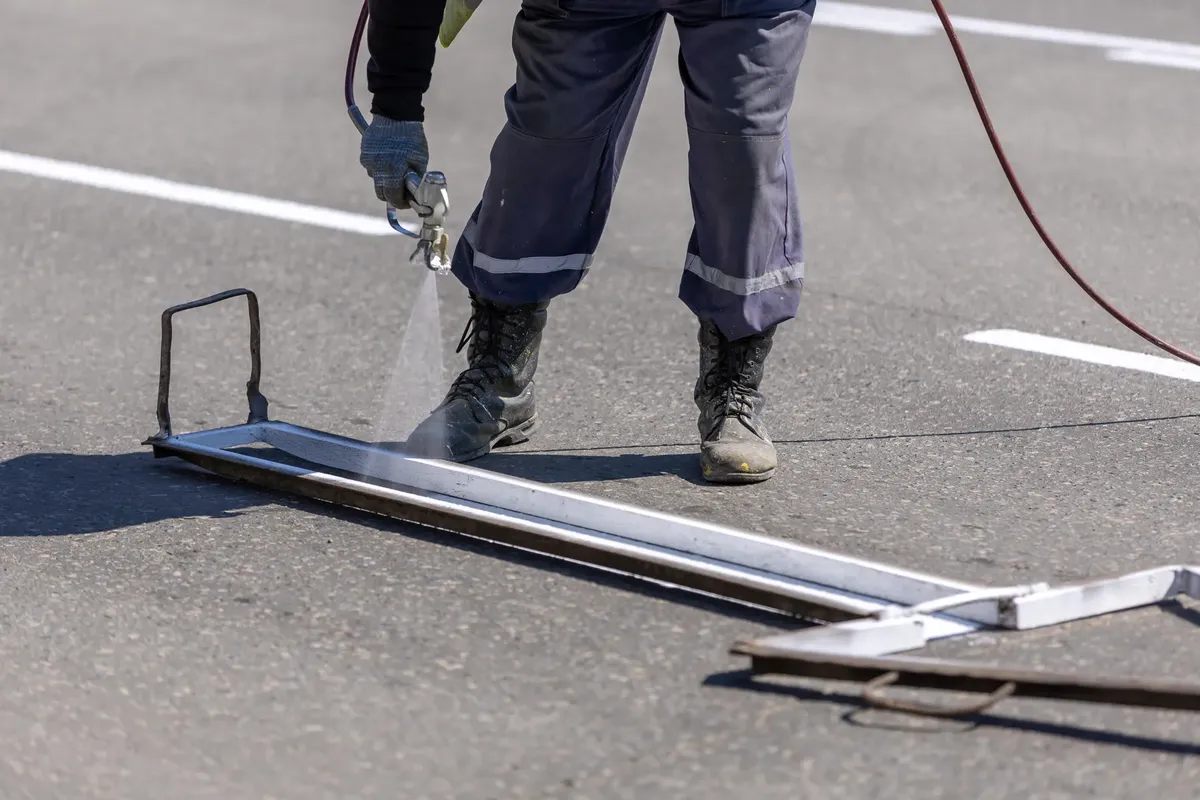
These protocols ensure that the work can proceed without endangering the crew or the traveling public.
In this sequence, the second step is the most critical for preventing accidents.
What challenges do road maintenance careers present?
At midnight, a technician shivers in the biting cold while walking along the lonely highway.
A worker wipes sweat from their forehead while surveying a long stretch of sun-baked pavement. Those pursuing road maintenance careers often face unpredictable weather conditions and physically demanding environments.
The job requires working outdoors in extreme heat, heavy rain, or freezing temperatures. Shifts are often irregular, frequently occurring during nighttime or early morning hours to minimize traffic disruption.
Managing the mental stress of working near moving traffic while performing precise technical tasks is a constant reality.
How do inspection duties impact road safety?
An inspector uses a specialized tool to measure the depth of a rut in the asphalt. Regular road inspection technician tasks are vital for identifying hazards before they cause accidents.
Routine inspections allow teams to gather data on wear patterns and structural integrity. By identifying a failing bridge joint or a faded lane marking, they can schedule repairs before a crisis occurs. This proactive approach is essential for maintaining the flow of traffic and protecting lives.
How do these roles fit into a highway engineering career path?
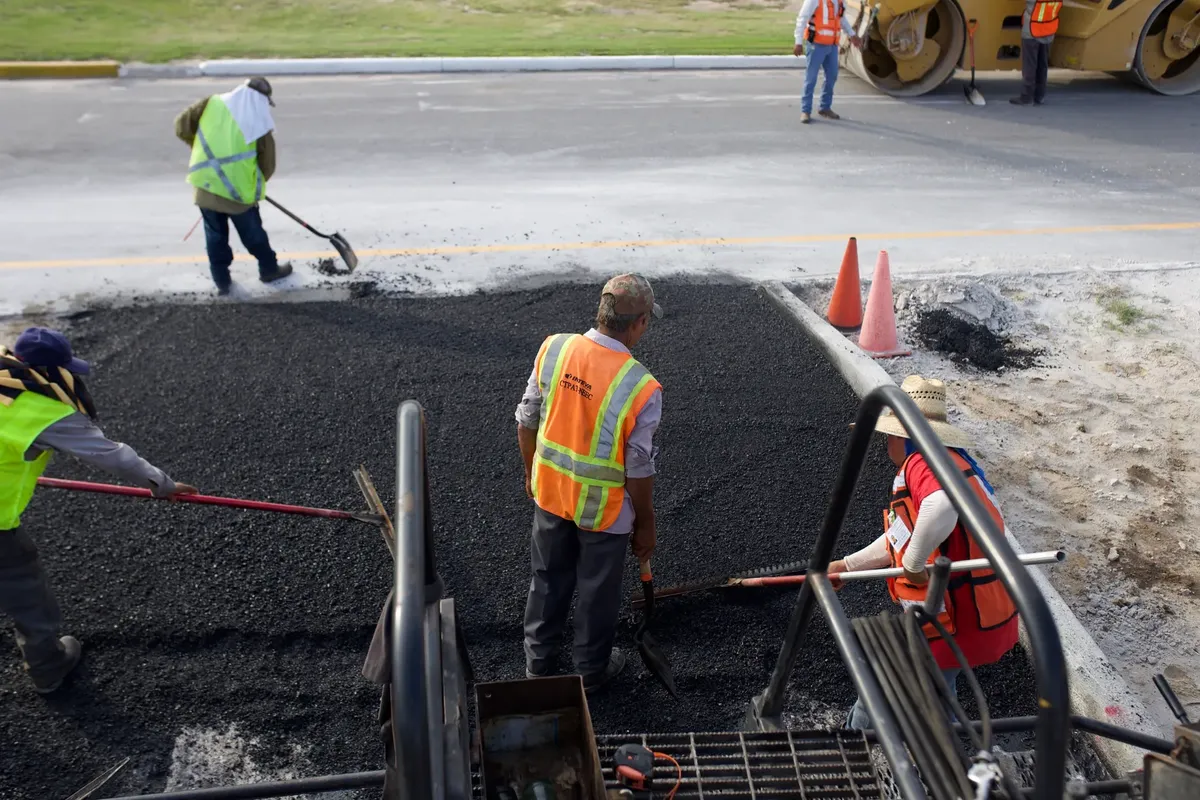
A junior technician observes a senior engineer mapping out a new drainage layout. For many, these roles serve as a foundational step in a highway engineering career path.
Practical field experience provides a deep understanding of how materials react to real-world usage. This knowledge is invaluable for those moving into design or management roles.
Understanding the physical reality of road degradation helps engineers create more durable and effective infrastructure solutions.
What are the specific tasks in pavement inspection jobs?
A worker examines a patch of fresh sealant applied to a seam in the road. Specialized pavement inspection jobs require a keen eye for detail regarding material quality and surface texture.
Inspectors look for signs of rutting, bleeding, or stripping in the asphalt. They also verify that new repairs meet specific thickness and compaction standards. These technical checks ensure that the road surface remains smooth and safe for all vehicle types.
How do traffic volumes affect maintenance schedules?
A worker watches a line of cars pass a construction zone during a quiet morning shift. The volume of travelers directly dictates when and how maintenance can occur.
According to 2006 figures, the TTC carries 47% of commuters and other auto routes account for 26% of inbound commuters. This high density means that work must often be scheduled during low-traffic windows to avoid massive congestion.
Planners must balance the need for repairs with the necessity of keeping commuters moving efficiently.
How do we manage large-scale projects?
A crew prepares heavy machinery at a staging area near a highway interchange. Large-scale projects require careful coordination between multiple teams and strict adherence to timelines.
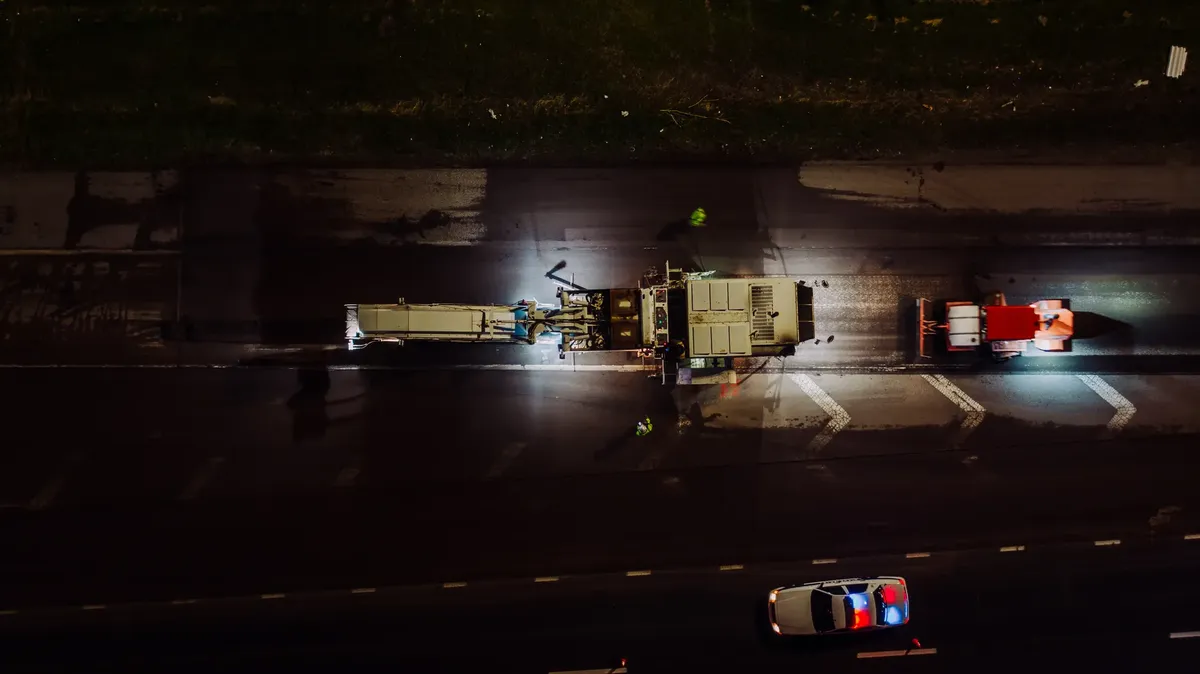
- Assess the scope of the damage or the requirements of the new construction. 2. Coordinate with local authorities to establish traffic diversion plans. 3. Deploy specialized equipment and materials to the site. 4. Perform the repair or installation according to engineering specifications. 5. Conduct a final safety check to ensure the work zone is secure.
I once witnessed a crew working through a midnight shift to finish a bridge repair before the morning rush. This level of coordination is necessary to meet strict deadlines.
A limitation of this work is that maintenance can be delayed by unforeseen weather events or sudden shifts in traffic patterns.
Related
- Road construction engineer: How to ensure road durability
- Policy experts and non-profit leaders guide social change
What happens during a heavy rainstorm on the job site? When a heavy rainstorm hits, the technician must adapt procedures to the slick conditions of the asphalt. The technician must still inspect the cracked asphalt seam, but the visibility decreases significantly, requiring extra caution around moving vehicles. The presence of heavy rain can also accelerate erosion, making drainage system checks even more critical.
The technician must proceed with the inspection while accounting for the reduced traction on the road surface. This condition necessitates slower movement when assessing pavement integrity.
The technician must ensure that any temporary barriers remain stable despite the deluge from the heavy rainstorm.
When should maintenance crews pause operations? Crews must pause operations when conditions become too dangerous due to the weather or traffic flow. A sudden, intense heavy rainstorm can make working near high-speed traffic prohibitively risky. Furthermore, if traffic volumes exceed manageable levels, the crew must wait for a lull to complete precise technical tasks.
The technician must constantly evaluate the risk versus the necessity of the repair. If the risk associated with the heavy rainstorm outweighs the immediate need for the repair, the work must be postponed until safer conditions prevail.
This cautious approach prevents accidents while still addressing structural upkeep.




Comments 0