Subway operations technician how to manage daily tasks
"The heartbeat of a city lies beneath its streets, maintained by those who ensure the tracks remain steady and the cars remain safe."
A subway operations technician ensures that transit systems remain functional through constant inspection and technical oversight. This role requires managing complex rail infrastructure, performing routine maintenance, and responding to mechanical failures to ensure consistent passenger flow.
Key takeaways include understanding the technical rigor of rail systems, the necessity of preventive maintenance, and the specialized skills required for underground transit.
How does a subway operations technician manage daily tasks?
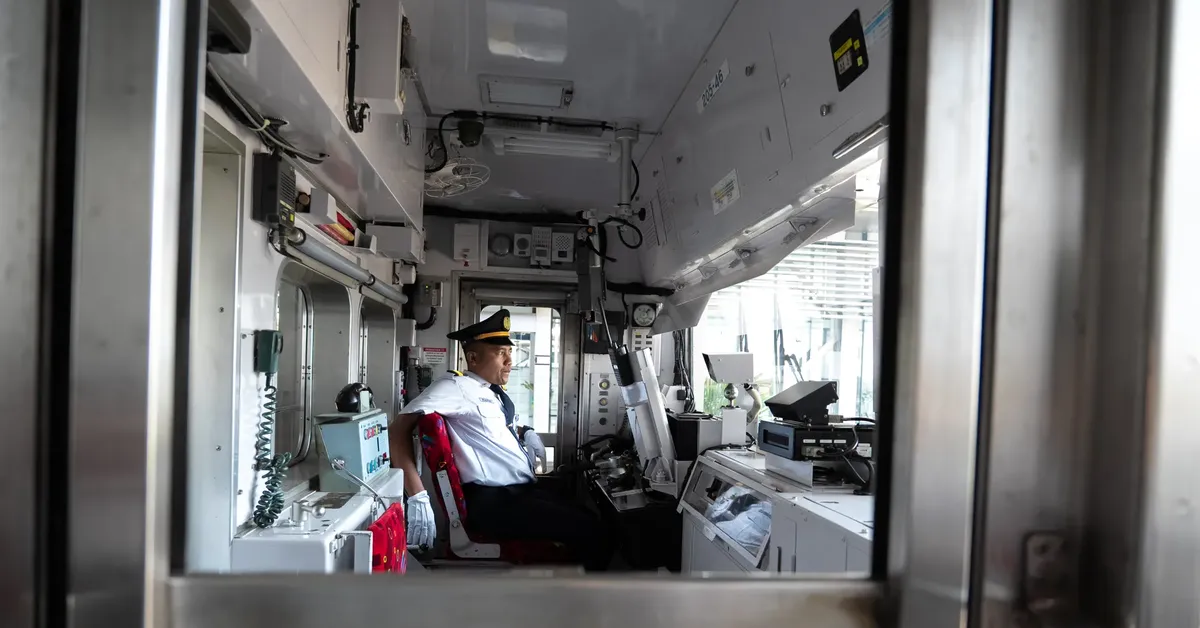
A technician walks through a dimly lit tunnel, checking the alignment of the rails with a heavy flashlight. The metal surfaces glisten under the artificial light, reflecting the constant motion of the overhead power lines.
Every inspection requires a careful look at the switches and signal systems that govern train movement.
A subway operations technician maintains the integrity of the tracks and signaling systems through rigorous inspection protocols. This job requires a deep understanding of how electrical currents interact with moving rail cars.
By identifying wear and tear before it leads to a breakdown, the technician prevents service interruptions.
The work involves monitoring the health of the overhead catenary or third rail systems. Technicians also inspect the switches that allow trains to move between tracks. Every component must meet strict safety tolerances to ensure smooth operation.
What are the primary responsibilities of a metro maintenance worker?
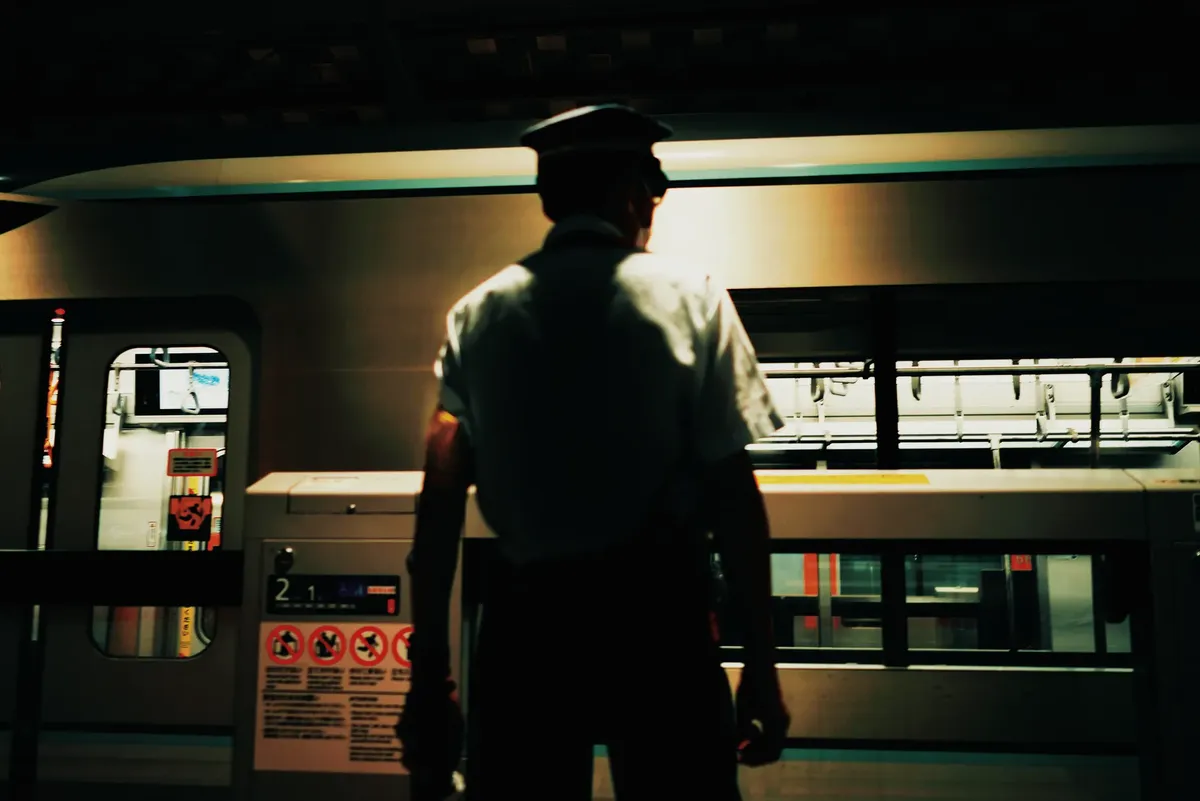
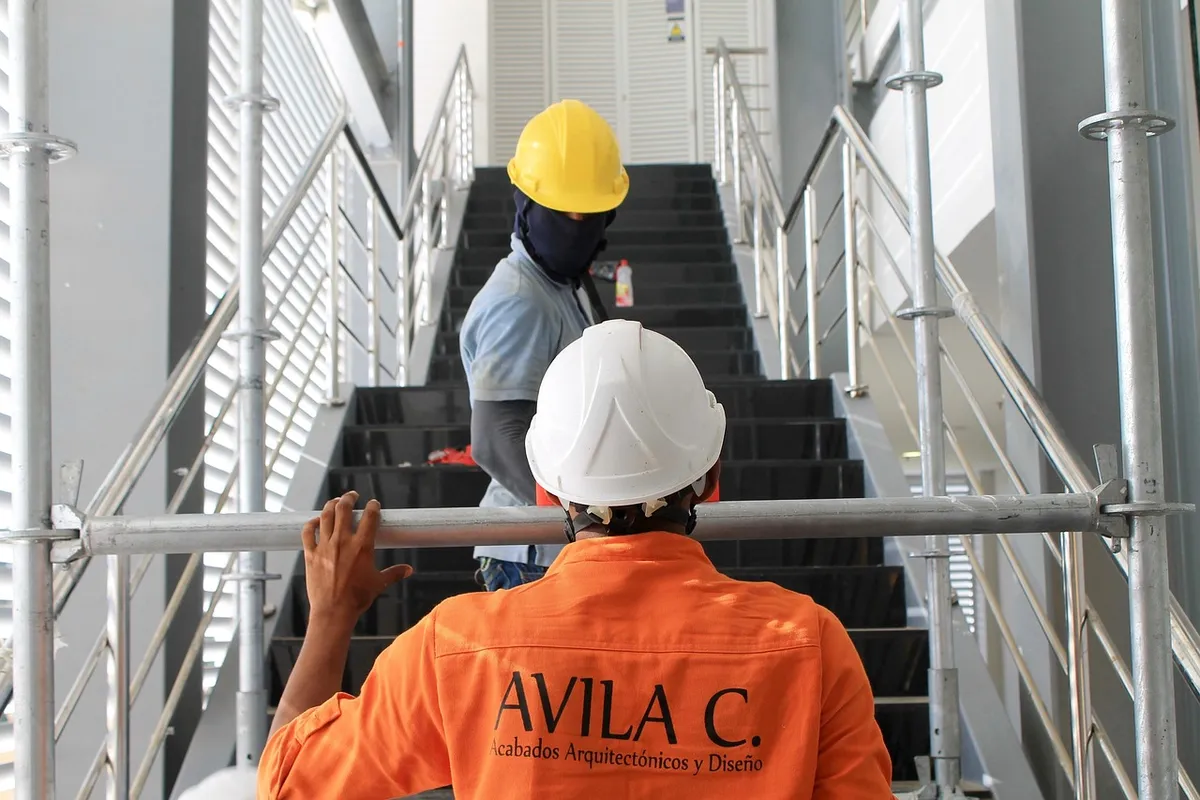
A worker grips a heavy wrench, tightening a bolt on a track switch as a distant rumble signals an approaching train. The vibration through the concrete floor serves as a constant reminder of the power moving through the system. Precision is vital when working in such a high-energy environment.
A metro maintenance worker focuses on the mechanical and structural health of the transit environment. This role includes lubricating moving parts, inspecting brake systems, and ensuring that the overhead power supply is stable.
Regular upkeep prevents the catastrophic failures that can paralyze a city.
The scope of work covers everything from the rolling stock to the tunnel ventilation. Technicians must ensure that air quality remains within safe limits for passengers. They also manage the drainage systems that prevent flooding in underground sections.
How do they handle a train system repair job?
A technician kneels on the gravel-covered track bed, examining a faulty circuit breaker. The smell of ozone fills the air as they prepare to reset a connection. Every tool is laid out neatly on a heavy-duty canvas mat to prevent loss in the dark.
A train system repair job often requires troubleshooting complex electrical or mechanical failures under tight time constraints. When a component fails, the technician must diagnose the root cause quickly to minimize downtime.
This process involves using specialized diagnostic tools to read sensor data.
The repair process typically follows a specific sequence to ensure safety. First, the area must be electrically isolated to prevent accidental energization. Second, the faulty component is removed or repaired according to manufacturer specifications.
Finally, a full system test is conducted before the track is cleared for service.
A technician might use a multimeter to check voltage levels before beginning a repair. I remember checking a signal relay where a single loose wire caused a total system lockout.
What specialized skills are required for an underground transit tech?
A technician adjusts a sensitive sensor on a signal box, their fingers moving with practiced ease. The cramped space requires a high degree of physical flexibility and spatial awareness. Every movement is deliberate to avoid hitting sensitive equipment.
An underground transit tech must possess a blend of electrical engineering knowledge and mechanical aptitude. Because the environment is unique, they must understand how humidity and temperature affect metal and electronics.
Mastery of communication protocols is also essential for coordinating with dispatchers.
Advanced rail maintenance skills are necessary to handle the specialized equipment used in modern transit. Technicians must be able to read complex schematics and interpret digital diagnostic reports. They also need to understand the physics of rail-to-wheel friction and braking distances.
| Task Type | Focus Area |
|---|---|
| Preventive Maintenance | Component longevity and wear prevention |
| Corrective Repair | Rapid troubleshooting and system restoration |
How do they apply safety protocols to existing conditions?
A worker stands at the edge of a platform, watching the signal change from red to green. They hold a radio close to their mouth, waiting for the signal to proceed. The atmosphere is one of controlled tension and constant vigilance.
Applying safety protocols to existing conditions involves a three-step process to mitigate risk.
- Conduct a site-specific hazard assessment to identify immediate dangers like moving trains or live wires. 2. Implement lockout-tagout procedures to ensure all energy sources are neutralized before work begins. 3. Perform a final safety check with a partner to verify that all tools are accounted for and guards are replaced.

A final check ensures that no tools are left on the tracks and all personnel are clear of the moving envelope. This discipline maintains the safety of both the crew and the public.
A limitation exists when working in tunnels with restricted ventilation or limited access to emergency exits.
- How does a subway operations technician manage daily tasks?
- What are the primary responsibilities of a metro maintenance worker?
- How do they handle a train system repair job?
The same subject is also called Subway inspection role.
This part also covers How to become subway tech.
This part also covers Daily subway inspection tasks.
How to become subway tech
Related




Comments 0