Medical technician daily life: How to guide your career
"The work of a medical laboratory scientist underpins the very foundation of clinical decision-making, often serving as the invisible backbone of the healthcare system."
A medical laboratory scientist manages complex diagnostic tasks that drive critical healthcare outcomes. This guide explores their daily responsibilities, the weight of their clinical impact, and the specialized paths they follow.
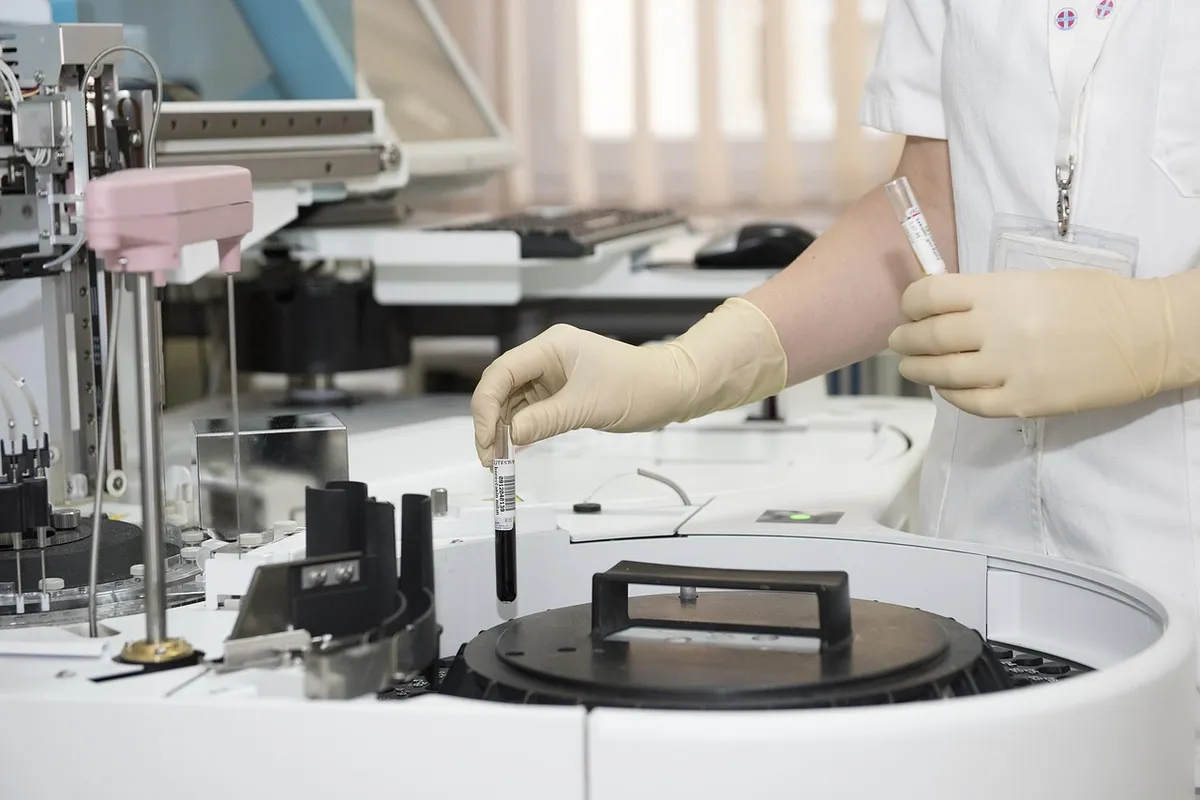
* Clinical decision-making is heavily driven by laboratory results. * Specialized credentials define expert roles in blood banking or microbiology. * Workforce roles extend into government and industrial sectors. * Training involves rigorous clinical phases and standardized examinations.
How much of a difference do I make every day? A scientist adjusts a microscope lens in a quiet, sterile room, peering at a slide that holds the key to a patient's treatment. This routine task is central to the healthcare worker routine, as these professionals provide the data necessary for doctors to act.
The weight of this role is significant in clinical settings. Some estimates suggest that up to 70% of medical decisions are based on laboratory test results. Furthermore, the contributions of medical laboratory scientists affect 95% of a health system's costs.
This high level of responsibility means that every result processed in the lab has a direct connection to patient care and hospital resource management.
However, the impact may be less visible when results are routine and require no immediate clinical intervention.
How do specialized credentials define a tech job in hospital?
A technician carefully labels a vial with "SBB" or "SM" to denote a specific area of mastery. This precision is common in a tech job in hospital, where specialized knowledge is required to handle complex biological samples.
To ensure accuracy in specific fields, professionals may use additional credentials. These include "SBB" for specialists in blood banking, "SM" for specialists in microbiology, "SC" for specialists in chemistry, or "SH" for specialists in hematology.
These designations, often provided by organizations like the American Society for Clinical Pathology (ASCP), allow for expert handling of specialized diagnostic tasks.
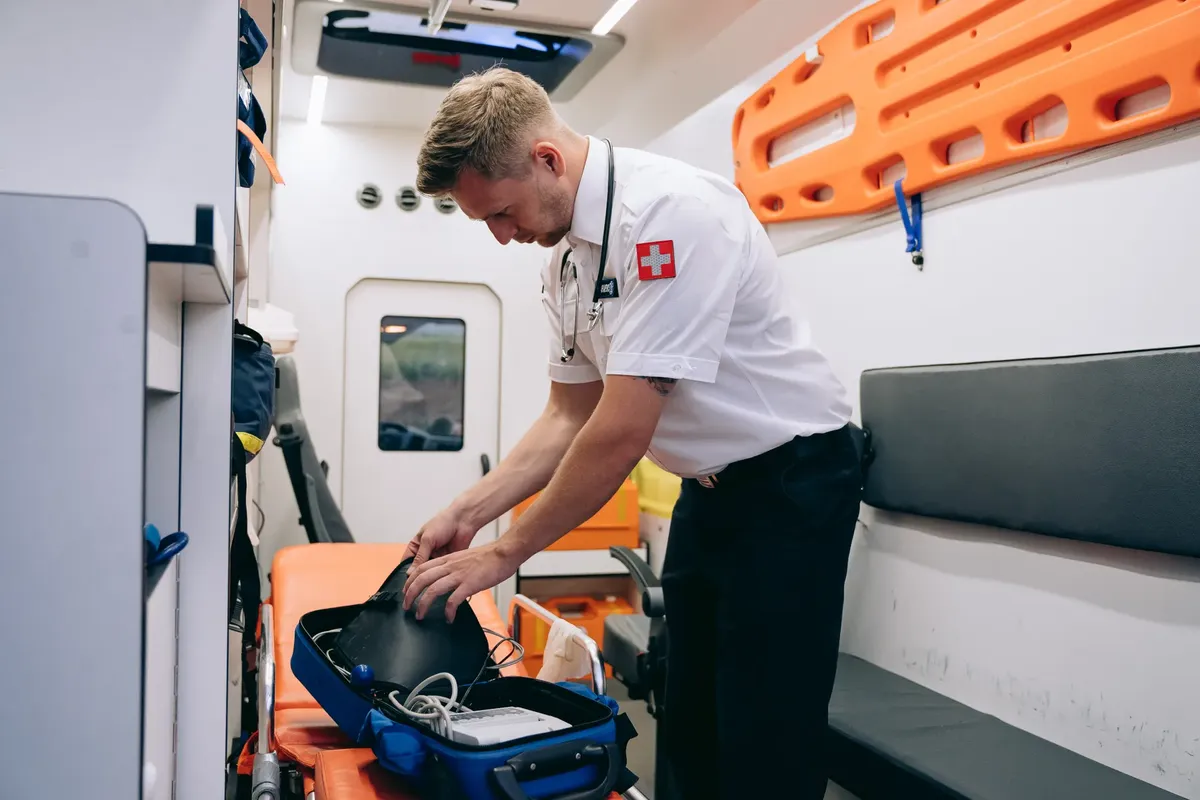
This distinction is not applicable to generalist roles that do not require specific certifications.
Where will I spend most of my working life? A professional reviews data in a government office, ensuring that food safety or drug standards meet national requirements. While many work in hospitals, the daily life of medical staff includes diverse environments outside of traditional clinical wards.
Many medical laboratory scientists are employed in government positions. These roles include positions in the FDA, the USDA, and various non-medical industrial laboratories or manufacturing sectors.
This variety allows the expertise of the workforce to be applied to public health and industrial quality control.
The scope of these environments is limited to clinical settings where diagnostic testing is performed.
What are the responsibilities of healthcare tech in the workforce?
A graduate prepares for a long shift, knowing their work supports the diagnostic decisions of an entire medical team. Understanding the responsibilities of healthcare tech requires looking at the scale of their influence on the broader medical community.
The scale of their influence is often much larger than their headcount suggests. For instance, in the UK, this workforce comprises approximately 5% of the healthcare workforce, yet their work underpins 80% of all diagnoses and clinical decisions.
This disparity highlights how much the medical service provider day relies on the technical accuracy provided by the lab.
I find that the third responsibility is the most critical to daily operations.
What is the path to becoming a professional in medical technology?
A student sits in a lecture hall, studying for the rigorous examinations required to enter the field. A day in medical technology begins long before the first sample is processed, starting instead with intensive education and certification.
To reach professional status, individuals follow structured paths:
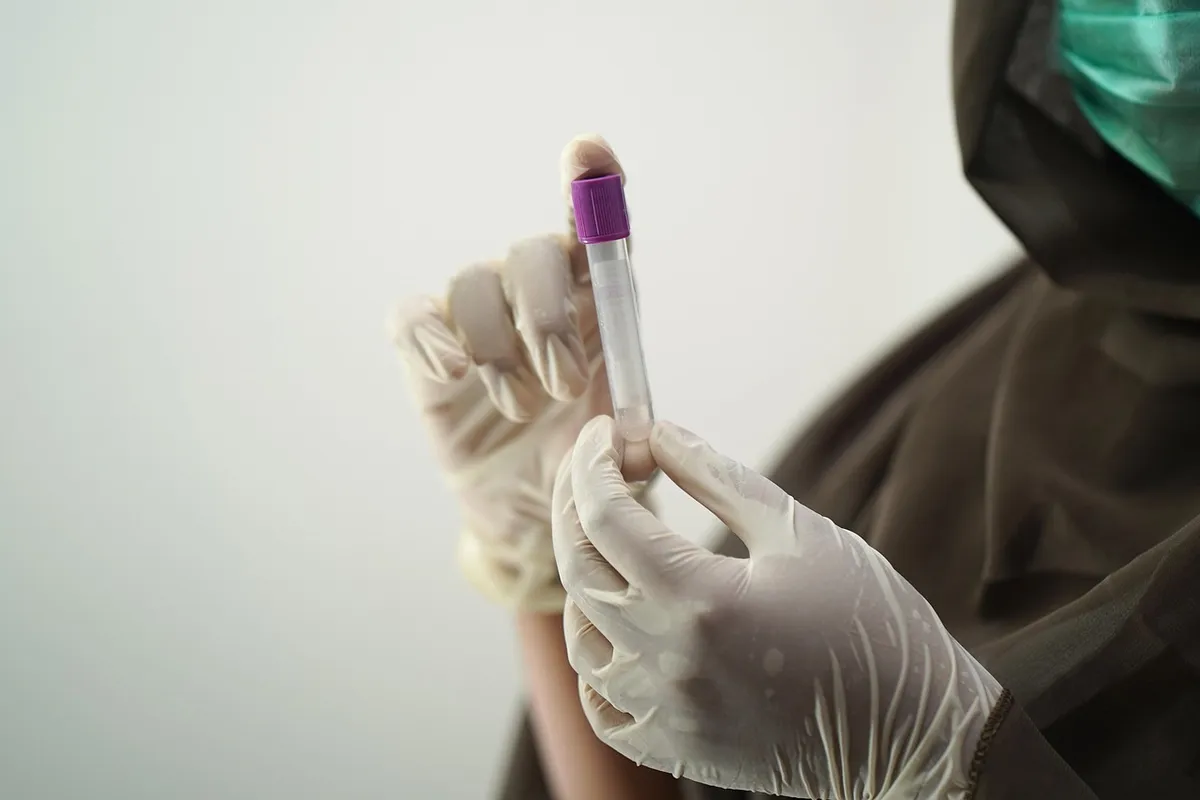
- Complete an appropriate degree, such as a Bachelor of Medical Laboratory Science (BMLS) or a two-year F.Sc degree in Medical Lab Technology (MLT). 2. Complete the clinical phase of training, which may involve working 40 hours per week for 20 to 52 weeks with limited or no compensation. 3. Pass a standard examination, such as the CSMLS exam, to be qualified as a medical laboratory technologist.
After gaining foundational experience, professionals may pursue advanced degrees like a Master of Science, Master of Business Administration, Master of Health Administration, or a Doctor of medical laboratory science for specialization, education, and management roles.
- Complete the required academic degree.
- Gain practical clinical experience.
- Obtain professional certification.
Related
- Dowel bar retrofit guide: First road replacement day tips
- Subway operations technician how to manage daily tasks
How does the medical work influence public health outside of hospitals?
Medical laboratory scientists contribute to public health through their work in government settings. These professionals examine samples to ensure that public safety standards are maintained across various industries.
For example, testing related to food safety or drug quality requires the same rigorous analytical skills used in a clinical medical setting. This application of medical knowledge extends the impact of the laboratory beyond patient care.
Industrial laboratories utilize medical expertise to control quality in manufacturing. The application of specialized medical knowledge in these environments helps prevent widespread issues before they reach the consumer.
This type of medical work ensures that products meet established regulatory benchmarks. The standards enforced by these roles directly affect community well-being.
The influence is limited when data is restricted to localized outbreaks rather than widespread trends.
What are the conditions under which advanced medical studies are pursued?
Professionals may pursue advanced medical studies after gaining foundational experience in the field. The decision to seek a Master of Science or a Doctor of medical laboratory science is often driven by career goals.
These advanced degrees facilitate movement into specialized education or management roles within the medical field. Such further study allows for deeper expertise in specific medical areas.
The pursuit of a Master of Business Administration or Master of Health Administration indicates an interest in the operational side of the medical system. These qualifications allow medical laboratory scientists to influence healthcare policy and resource allocation.
This breadth of career paths demonstrates the diverse nature of medical work.
The Cochrane database of systematic reviews (2020) Based on the retained excerpt mentioning The Cochrane database of systematic reviews: Moderate-quality evidence shows that educational interventions alone probably have little or no effect on HRQoL (6 studies) or on ED/hospital admissions (4 studies) when compared with usual care.




Comments 0