Renewable energy job trends: Guide to technical careers
"The shift toward a cleaner planet is no longer just a vision; it is a professional reality shaping the global workforce."
Renewable energy job trends are fundamentally reshaping how we approach technical careers and climate change mitigation.
This transition offers specialized roles in everything from biomass management to advanced electrical infrastructure, providing a clear path for those seeking sustainable career paths.
This guide explores the technical landscape of these roles, the practicalities of field work in renewable energy, and the specific sectors driving this change.
What defines the future of renewable energy job trends?
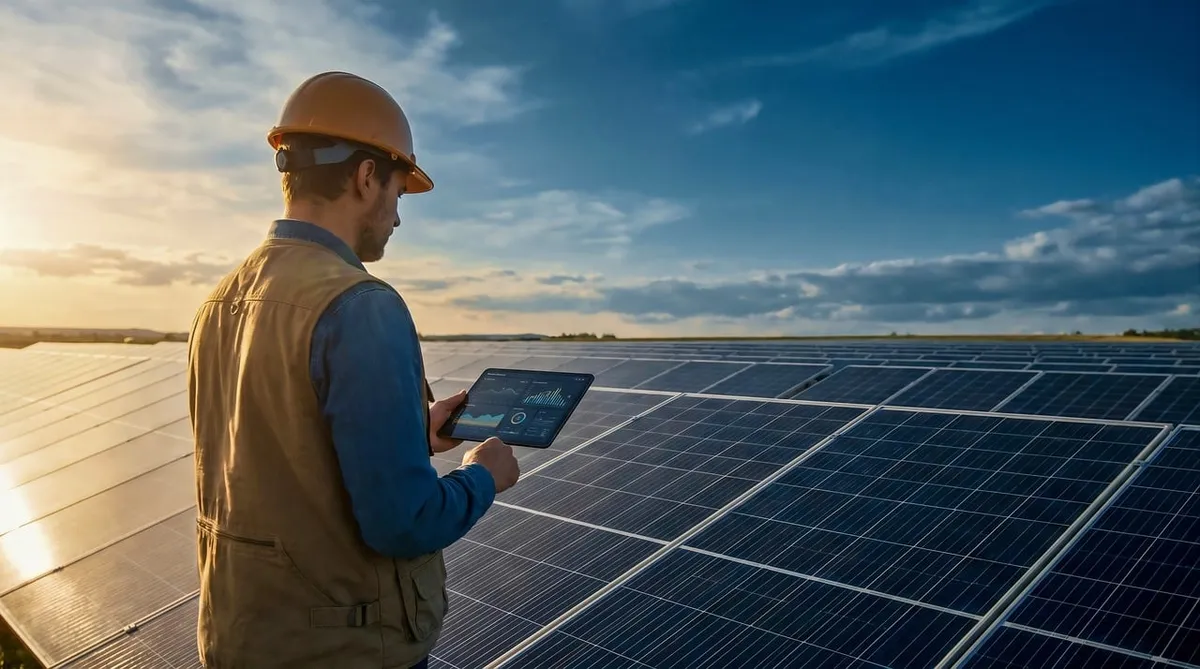
A technician stands before a massive wind turbine, checking the integrity of the blades against a backdrop of a shifting horizon. This professional reality represents the growing demand for skilled individuals to manage and maintain our expanding energy infrastructure.
Renewable energy job trends are driven by the global necessity to transition away from fossil fuels toward more sustainable sources. As nations invest in diverse energy portfolios, the need for specialized technical knowledge becomes critical.
This shift creates a variety of roles, ranging from installation to long-term resource management.
According to the International Renewable Energy Agency (IRENA), the annual review of renewable energy and jobs provides essential data on these shifting employment landscapes. This intelligence helps professionals prepare for the evolving requirements of the green energy sector.
Understanding these trends allows for better career planning in a volatile but growing market.
The trajectory of the sector is shaped by the global transition toward decarbonization and the increasing efficiency of hardware like solar cells and wind turbines.
How do green energy careers now integrate with traditional industries?
A worker in a rural setting carefully processes organic materials, ensuring that every piece of residue is utilized for energy production. This intersection of agriculture, forestry, and technology defines many of the current opportunities in the field.
Green energy careers now frequently overlap with traditional resource management, such as forestry and agriculture. This integration allows for the repurposing of existing industrial knowledge to meet modern environmental goals.
For example, managing biological energy sources requires a blend of traditional land management and advanced chemical engineering.
In the United States, bioenergy accounted for 9.5% of the total primary energy supply in 2019. This figure highlights how much of our current energy landscape is already tied to biological resources.
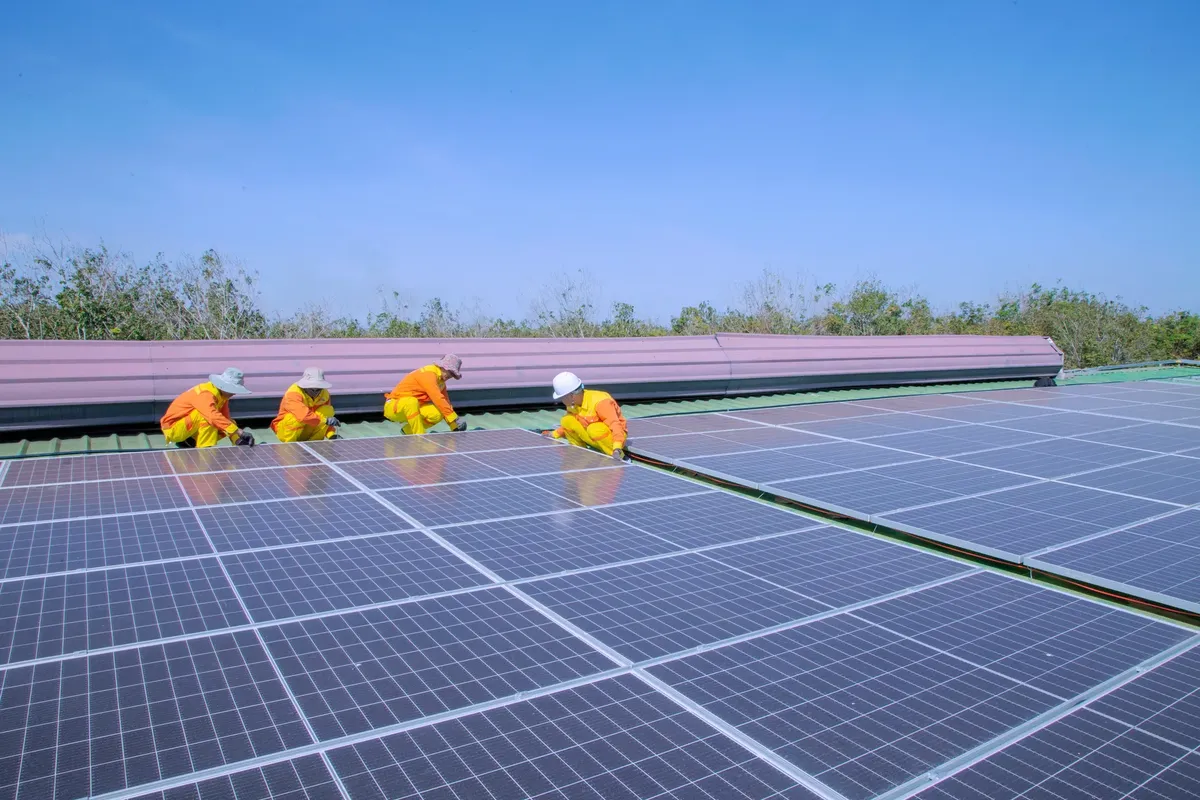
Such data proves that the transition is not just about new technology, but about optimizing existing biological and physical assets.
Legacy sectors such as oil and gas are increasingly repurposing their expertise in fluid dynamics and subsurface engineering to develop geothermal energy and carbon capture technologies.
What are the specific climate change jobs available in the field?
An engineer monitors a series of sensors at a remote site, ensuring the stability of a new hydrogen fueling station. This meticulous attention to detail is a hallmark of modern technical roles designed to combat environmental shifts.
Climate change jobs often focus on the deployment and optimization of low-carbon technologies. These roles require a deep understanding of how different energy sources interact with the environment and the power grid.
From solar array maintenance to hydrogen fuel cell management, the scope of work is vast.
The variety of roles includes managing the lifecycle of renewable assets to ensure maximum efficiency. This might involve optimizing biomass output or managing the distribution of electricity from decentralized sources.
Professionals in these roles are at the forefront of the global effort to reduce carbon footprints.
Opportunities range from environmental impact assessors and grid modernization specialists to specialists in circular economy logistics and ecosystem restoration.
How do energy tech roles look in practical applications?
A specialist examines a shipment of wood pellets, checking for moisture content and quality to ensure efficient combustion. This hands-on work is essential for maintaining the reliability of bioenergy systems.
According to the National Institute of Standards, there are latest updates on EPOs for electrical energy and hydrogen vehicle fueling.
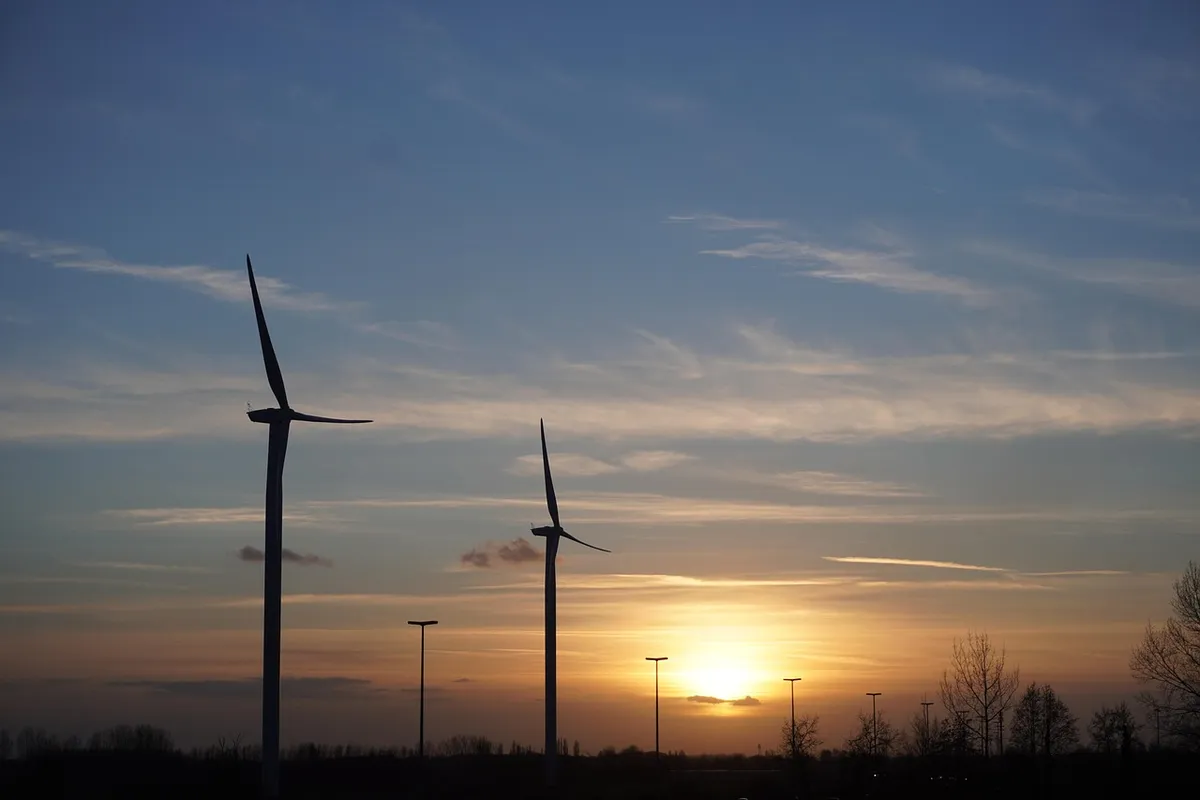
Energy tech roles involve the practical application of science to solve energy distribution and generation problems. This can range from high-level system design to much more localized, hands-on maintenance tasks. Technical proficiency is the common thread across all these specialized positions.
In Florida, a study indicated that using logging and pulpwood residues shows a potential for greenhouse gas emissions reduction. Specifically, the study reported an 82% reduction of greenhouse gases through the use of wood pellets.
This demonstrates how technical roles in residue management can yield significant environmental benefits.
Technological roles involve deploying smart grid software, managing large-scale battery storage systems, and utilizing IoT sensors to optimize energy output in real-time.
What are the realities of field work renewable energy professionals face?
A technician wipes sweat from their brow while adjusting a sensor in a humid, tropical environment. The physical environment often poses the greatest challenge to those working in the energy sector.
Field work renewable energy tasks often require working in remote or climatically challenging locations. Professionals must be prepared for varied weather conditions, from extreme heat to heavy rainfall, depending on their geographic assignment.
Resilience and adaptability are as important as technical skill.
In regions like Tonga, the climate can be quite demanding, with temperatures rising above 32 °C (89.6 °F) during the warm period from December to April. Navigating these conditions requires robust equipment and careful health management.
Such environments test the durability of both the technology and the people operating it.
Professionals often work in remote locations, face unpredictable weather conditions, and must adhere to strict physical safety protocols while managing heavy machinery.
How can one prepare for new career paths climate change offers?
A student reviews a technical manual, highlighting the specific requirements for hydrogen vehicle fueling standards. Preparation requires a commitment to continuous learning as technology advances.
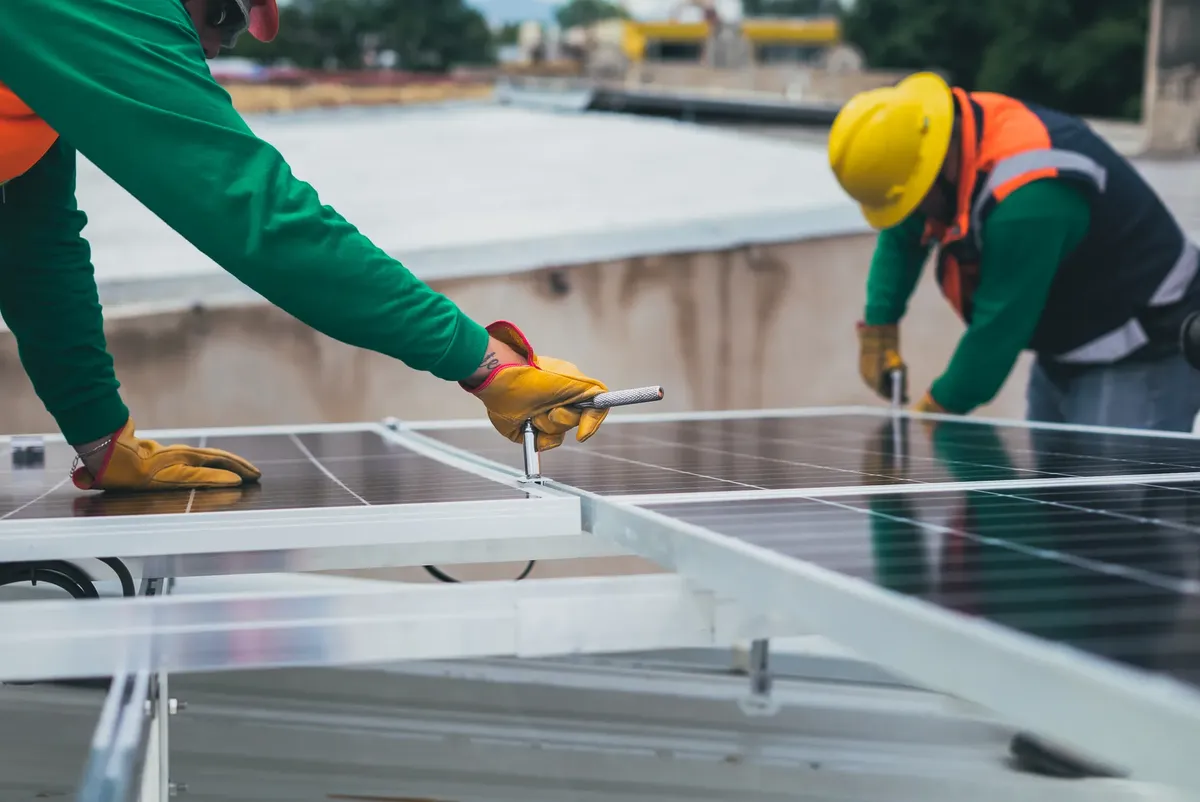
To prepare for new career paths climate change creates, individuals should focus on several key areas:
- Acquire foundational knowledge in electrical engineering or environmental science. 2. Gain hands-on experience through certifications or technical training programs. 3. Stay updated on international standards and emerging fuel technologies.
A final check of one's technical competency against industry standards is essential for long-term success. I found that comparing my own understanding of bioenergy history to current usage levels helped clarify the scale of the industry.
- Acquire technical certifications in specialized areas like PV installation or wind turbine maintenance.
- Develop proficiency in data analytics and energy modeling software.
- Gain hands-on experience through internships or field-based apprenticeship programs.
Related





Comments 0