AI drone operator career: Future trends in drone job skills
"The horizon of unmanned flight is shifting from simple remote control to sophisticated autonomous execution."
An AI drone operator career involves mastering the intersection of autonomous software and hardware deployment to manage complex missions in diverse environments.
This field offers paths in defense, heavy industry, and specialized logistics, requiring skills in flight algorithms and mission planning. This guide explores how these roles evolve, the technical requirements for such a path, and the operational realities of modern drone deployment.
How does an AI drone operator career evolve through specialized technology?
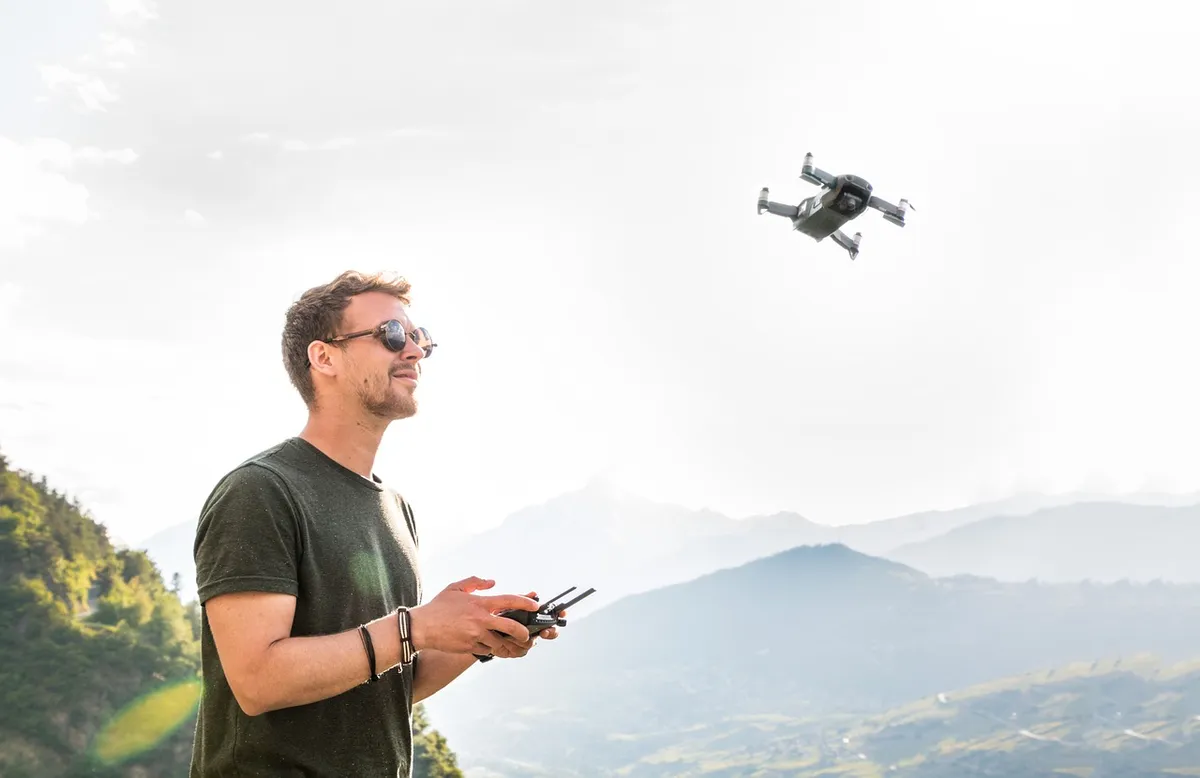
At dusk in the dim control room, the operator rubs tired eyes while watching a drone execute a complex flight path on the glowing screen.
A technician adjusts a flight controller setting while watching a screen flicker with real-time data. The evolution of an AI drone operator career moves from manual piloting toward managing high-level mission logic and autonomous flight paths.
In modern settings, operators no longer just fly; they supervise intelligent systems that can navigate obstacles and execute complex tasks without constant human input. This shift requires a deep understanding of how sensor data interacts with decision-making algorithms.
Professionals must transition from being mere pilots to becoming mission commanders who manage fleets of intelligent machines.
The complexity of these roles grows as AI tech drone roles expand into sectors requiring precise, repeatable movements. This transition necessitates a foundation in both aviation principles and data science.
As systems become more autonomous, the human role shifts toward troubleshooting and high-level oversight.
However, the transition to high-level automation may be limited in environments requiring constant human oversight. In this progression, the second stage is the most significant.
How can I actually use AI-powered drones? A technician monitors a drone as it identifies a specific target in a wide field. The use of AI-powered drone operation allows for tasks that were previously impossible or too dangerous for manual flight.
One significant application involves the remote deployment of specialized equipment over large areas.
According to the 414th Unmanned Strike Aviation Brigade, during operations on the left bank of the Dnieper in the Krynky area, the unit carried out the remote laying of about 3,500 anti-tank mines produced by the unit's "Tsukrarnia" (Sugar Factory) workshop, using drones, in a sector covering about 72.5 km².
This demonstrates how autonomous flight can handle heavy or hazardous payloads across vast distances.
Such tasks require precise coordination between the drone's flight path and the payload delivery system. The ability to cover a 72.5 km² sector shows the scale at which these automated systems can operate. This capability defines the future of high-stakes logistics and field operations.
However, the effectiveness of these applications is limited in unpredictable weather conditions.
What skills do I need to succeed in drone jobs? An engineer reviews a series of flight logs to understand a sudden change in trajectory. To succeed, individuals must develop advanced drone job skills that span software, hardware, and tactical planning.
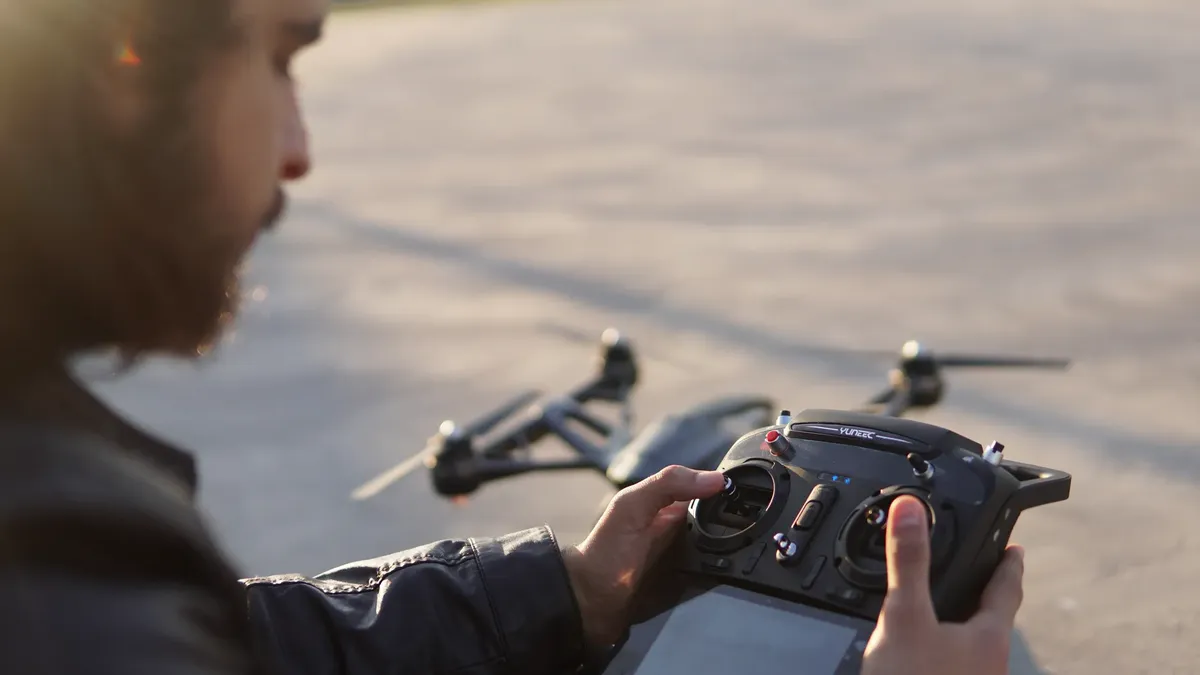
- Algorithmic Supervision: Operators must understand how flight controllers interpret sensor inputs to manage autonomous behaviors effectively. 2. Payload Integration: Knowledge of how different mechanical attachments interact with flight stability is essential for specialized missions. 3. Data Analysis: The ability to process mission data in real-time ensures that the autonomous system is meeting its objectives.
A final check of the system's logic ensures that the human supervisor can intervene when the AI encounters an edge case. I once observed a technician verifying these exact parameters during a mission simulation to ensure the flight path remained within the designated sector.
Mastering these skills turns a simple operator into a specialized professional capable of managing sophisticated hardware.
However, these skills may not be applicable to basic recreational flight. In this sequence, the second step is the most critical.
How do AI-driven roles differ from traditional drone piloting?
A pilot watches a screen while a drone moves independently through a narrow corridor. The distinction lies in the level of autonomy and the scope of mission management.
Traditional piloting focuses on the direct, real-time control of flight maneuvers, whereas an AI drone operator career focuses on supervising autonomous behaviors.
In traditional roles, the pilot is the primary navigator; in AI-driven roles, the operator sets the parameters and the machine executes the path. This shift requires a different mental model, moving from manual dexterity to strategic oversight.
| Feature | Traditional Piloting | AI-Driven Operation |
|---|---|---|
| Primary Task | Manual Flight Control | Mission Logic Oversight |
| Error Management | Immediate Pilot Correction | System Parameter Adjustment |
| Scope of Work | Individual Unit Focus | Fleet and Area Management |
The scale of work also changes significantly. While a pilot manages a single aircraft, an operator might oversee multiple units working in concert across a wide area.
However, these differences may not apply to manual flight modes. In this comparison, the second point is the most vital.
What are the future drone job trends in specialized industries?
A strategist maps out a flight corridor across a digital terrain model. Understanding future drone job trends helps professionals prepare for the shifting landscape of unmanned aviation.
The integration of AI into flight systems is driving a demand for specialists who can manage autonomous fleets in large-scale environments.
As machines become more capable of independent decision-making, the industry will require experts who can manage the "brain" of the drone rather than just the "wings." This includes roles in automated inspection, large-scale delivery, and complex environmental monitoring.

The ability to manage large sectors, such as the 72.5 km² area mentioned in historical mission data, will become a standard requirement for high-level roles. This capacity for wide-area coverage is a cornerstone of the emerging industry.
However, these trends may not apply to industries with strict regulatory bans. In this outlook, the second trend is the most prominent.
- How does an AI drone operator career evolve through specialized technology?
- How can I actually use AI-powered drones?
- What skills do I need to succeed in drone jobs?
The same subject is also called AI drone jobs future.
The same subject is also called Drone operator career path.
The same subject is also called New drone job trends.
This part also covers Future of drone careers.
AI powered drone operation
Related



Comments 0