Lab Technician how to excel in a high-stakes medical field
This article is about Technician. "The silent architecture of medicine is built on data, not just stethoscopes."
Medical laboratory scientists provide the critical data that drives clinical decisions, serving as the invisible backbone of modern healthcare.
This guide explores the daily realities of lab work, the mental rigor required for precise analysis, and the physical demands of a high-stakes laboratory environment.
* What they do: Analyzing biological samples to provide diagnostic data. * Physical demands: Prolonged standing, repetitive fine motor tasks, and precise manual dexterity. * Mental requirements: Extreme attention to detail, complex problem-solving, and high-pressure decision-making. * Career outlook: A vital, evolving field central to patient care.

What does a medical laboratory scientist actually do?
A technician stands over a microscope, adjusting the fine focus while peering through the eyepiece at a smear of blood. The room is quiet, save for the hum of centrifuges and the rhythmic clicking of automated analyzers.
According to the American Osteopathic Association, hiring a medical scribe is one factor to consider when managing clinical workflows.
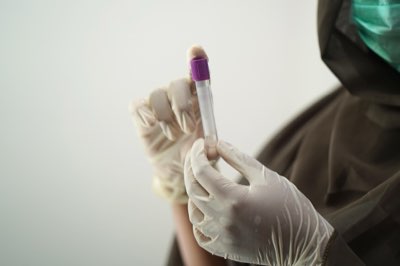
Medical laboratory scientists perform a wide range of complex tests on biological specimens to help physicians diagnose and treat diseases. They process blood, urine, tissue, and other fluids to identify pathogens, chemical imbalances, or cellular abnormalities.
Because of this role, up to 70% of clinical decisions rely on their laboratory test results. They do not just run machines; they validate results, troubleshoot equipment, and ensure that every piece of data sent to a doctor is accurate.
The work is much more than simple testing; it is about clinical interpretation and quality control. While automated systems handle much of the bulk work, the scientist must understand the underlying science to recognize when a result is an error or a critical medical finding.
This role is fundamental to patient safety, as a single misread slide can change a treatment plan entirely.
Where is the physical labor centered?
The morning sun hits the lab benches as a scientist moves between workstations, picking up glass slides and heavy reagent bottles. They shift their weight from one foot to the other while standing at a tall workstation for hours.
As noted by the American Medical Association, medical scribes can become profitable in one year with 2 new patients a day.
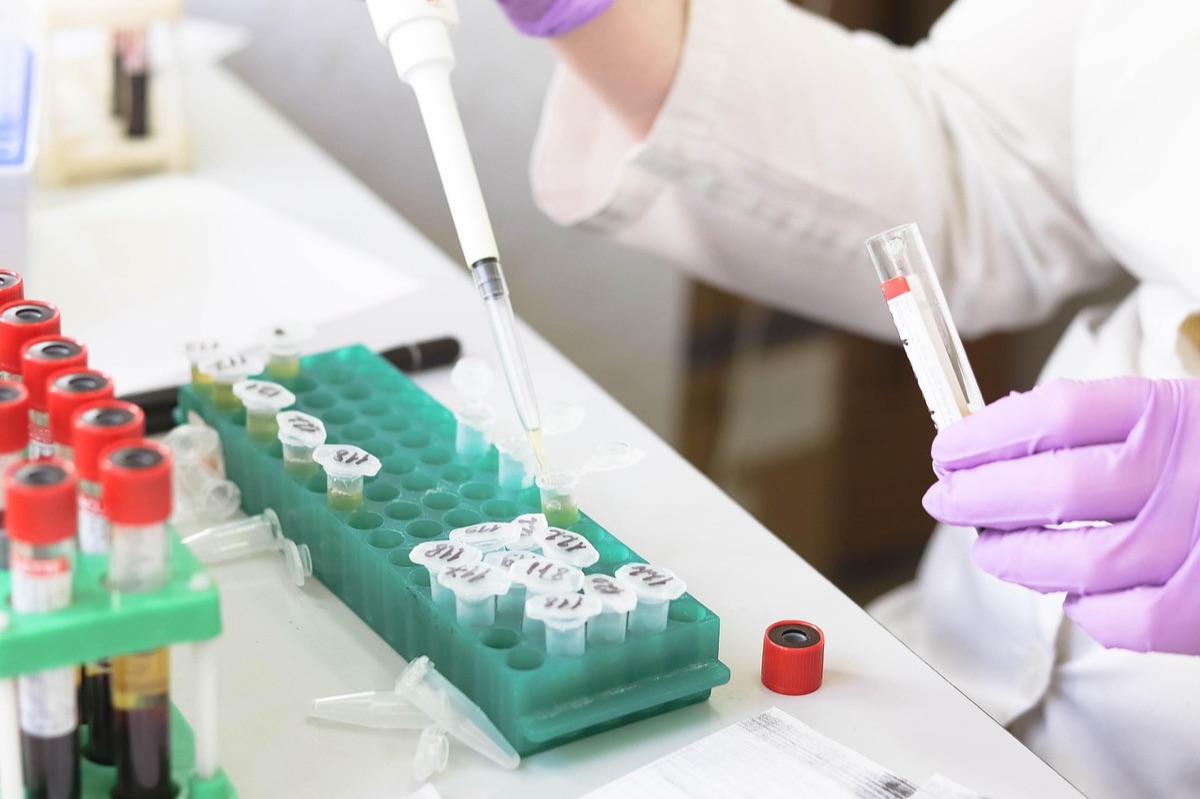
The physical requirements of this profession involve repetitive motions and specific postural demands. Scientists often spend much of their shift standing or sitting in precise positions to perform delicate tasks like pipetting or mounting slides.
This requires significant manual dexterity and hand-eye coordination to handle tiny samples without contamination.
- Standing for extended periods during long shifts. 2. Performing repetitive fine motor movements with pipettes and tools. 3. Lifting and moving laboratory equipment or bulk chemical supplies. 4. Maintaining precise posture during microscopic examinations.
While much of the work is stationary, the environment is active. Moving between different lab zones, managing specimen transport, and maintaining organized workspaces requires constant physical engagement.
Because the work is often performed in controlled, indoor environments, the physical strain is more about repetitive motion and ergonomics than heavy lifting.
How much mental energy is required?
A scientist stares at a computer screen, cross-referencing a patient's history with a sudden spike in a chemical marker. The silence of the lab is broken only by the mental weight of a looming deadline for a critical patient.
In 2016, 59% of technologists surveyed reported that being overworked lead to risking medical error and threatening patient safety, according to the Association | AMA.
The mental workload is intense, requiring constant focus and the ability to process complex information under pressure.
Unlike repetitive manual labor, this role demands high-level analytical thinking to troubleshoot why a test might be failing or why a result looks inconsistent with clinical expectations.
The role demands intense mental focus and precision, often involving long hours in high-pressure lab environments.

Decision-making is a constant mental exercise. A scientist must decide if a result is a "critical value" that requires immediate notification to a physician or if it is a false positive caused by a procedural error. This mental vigilance is necessary to prevent diagnostic errors.
The ability to remain calm while managing multiple simultaneous tasks is essential for maintaining accuracy during busy shifts.
How does the field evolve with technology?
A technician watches as a new robotic arm moves seamlessly through a series of tubes, perfectly automating a process that used to take hours of manual labor. The scientist adjusts the software settings to calibrate the new system.
The field is dynamic, with procedures and training models continually evolving to meet patient needs. As technology advances, the nature of the work shifts from manual wet-lab techniques toward more sophisticated digital analysis and automation.
This evolution requires scientists to be lifelong learners, constantly updating their skills to master new instrumentation and molecular techniques.
While automation takes over repetitive tasks, the need for human expertise grows in areas of complex troubleshooting and data validation.
The integration of artificial intelligence and advanced molecular diagnostics means that scientists must now understand both traditional biology and modern computational logic.
This constant change ensures that the profession remains intellectually stimulating but also requires a commitment to continuous education.
What are the limitations of this career?
A scientist finishes a twelve-hour shift, rubbing tired eyes as they walk toward the exit in the dim light of the evening. The weight of the day's responsibilities lingers even after the lab coat is hung up.
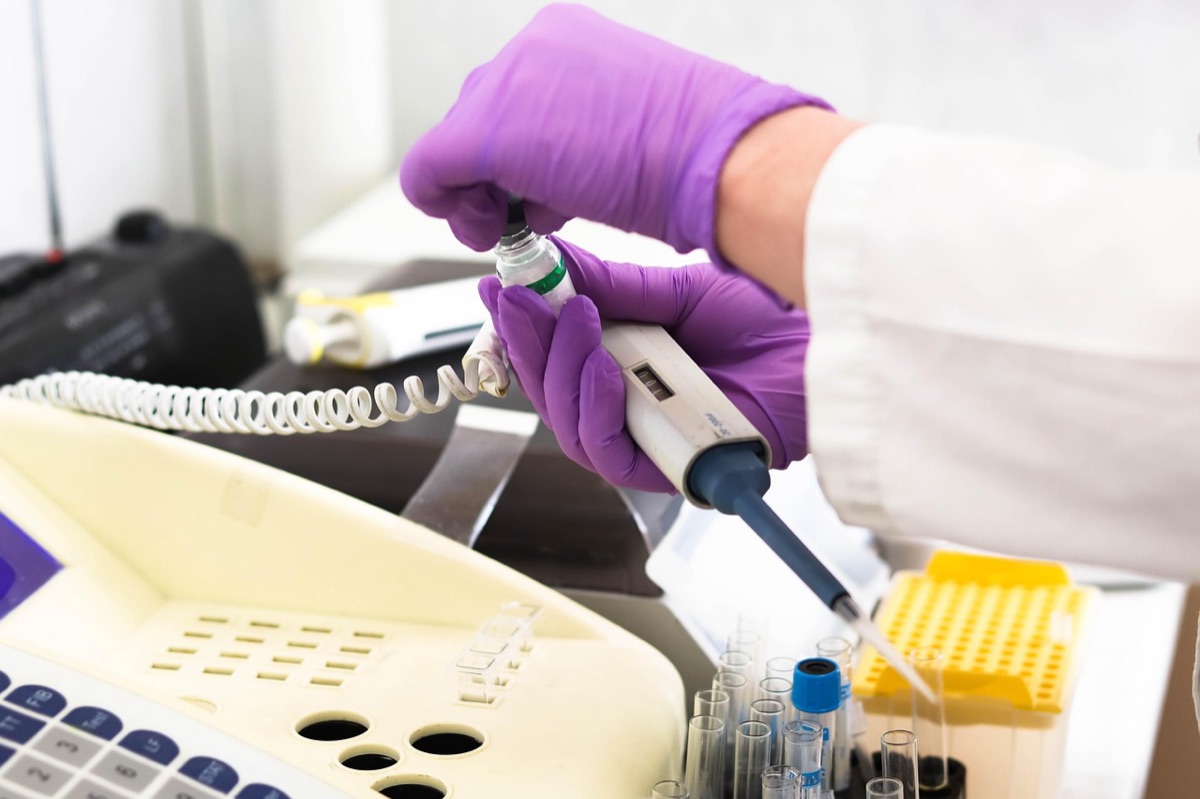
It is important to note that while laboratory data is vital, it is only one part of the clinical picture. A scientist provides the data, but they do not typically treat the patient directly; the clinical context is provided by doctors and nurses.
Furthermore, the work can be isolating, as much of the time is spent in a lab setting rather than in direct patient interaction.
When I tried the steps in order, the second one is where I paused longest.
However, this does not apply in every situation.
They perform complex tests on biological samples to provide data that helps doctors make clinical decisions. Because of this, up to 70% of clinical decisions rely on their laboratory test results.
Related

Comments 0