Medical Technologist 70% of decisions guide to lab work
This article is about Technologist. "Data is the silent pulse of modern medicine, guiding every major clinical decision."
A medical technologist is a laboratory professional who analyzes biological samples to provide the critical data doctors need to diagnose and treat patients. This role is essential for anyone interested in the intersection of healthcare, precise science, and diagnostic technology.
This guide explores the daily realities of lab work, the mental rigor required for accuracy, and the vital role these professionals play in patient outcomes.
* Core Responsibility: Analyzing blood, tissue, and fluid samples to detect disease. * assesses: High mental focus on accuracy and repetitive physical tasks in a controlled environment. * Career Outlook: Essential role in clinical decision-making globally. * Key Limitation: Work is often behind the scenes, meaning direct patient interaction is limited.

What does a medical technologist actually do?
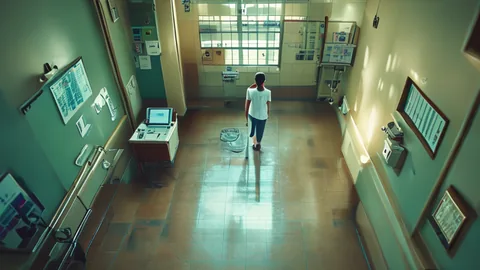
The fluorescent lights of a sterile laboratory hum quietly as a professional adjusts a microscope lens. A technician carefully pipettes a clear liquid into a tiny well, eyes scanning for the slightest change in color.
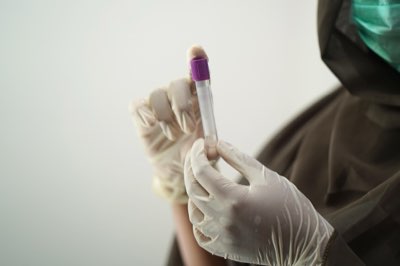
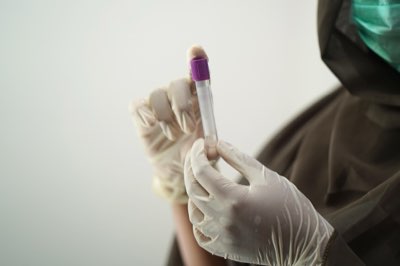
A medical technologist performs complex chemical, biological, hematological, and microscopic tests on patient samples. They operate sophisticated machinery to identify pathogens, measure hormone levels, or detect genetic abnormalities.
According to the clinical standards outlined in the professional framework, the technologist’s data underpins 70% of all clinical decisions. Without these precise measurements, doctors would be unable to confirm diagnoses or monitor the effectiveness of treatments.
The work is divided into several specialized domains: 1. Hematology: Studying blood cells to identify conditions like anemia or leukemia. 2. Microbiology: Culturing bacteria and fungi to identify infectious agents. 3. Clinical Chemistry: Analyzing chemical components in blood and urine. 4.
Blood Bank: Preparing blood products for transfusions to ensure compatibility.
This role is not just about running machines; it is about validating that the machine is providing correct data. If a result seems impossible, the technologist must troubleshoot the process to ensure patient safety.
Where is the physical and mental labor concentrated?
A technician stands for hours at a stainless steel workstation, moving methodically between centrifuges and incubators. The repetitive motion of gloved hands picking up glass slides is rhythmic, almost hypnotic, until a sudden alert breaks the flow.

Physical labor in this field involves standing for long shifts, precise manual dexterity for handling delicate samples, and repetitive motions that require steady hands.
While much of the work is indoor-based, it requires significant stamina to manage the physical demands of a fast-paced clinical environment.
Mental labor is where the true weight of the job resides. The mental workload involves: * High-stakes accuracy: A single decimal point error can lead to a wrong diagnosis. * Analytical troubleshooting: Identifying why a test failed or why a sample is contaminated.
* Data interpretation: Recognizing patterns in complex biological data.
While the physical tasks can be repetitive, the mental engagement is constant. The technician must maintain intense focus to ensure that every sample is processed according to strict protocols.
How does this role impact patient lives?
A doctor sits in a quiet office, staring at a computer screen, waiting for a specific lab result to decide on a surgical path. The decision rests on a single line of data generated in a lab miles away.
The impact of a medical technologist is often invisible to the patient but fundamental to their survival. While they may not stand at the bedside, their work is the foundation of clinical practice.
For example, while they may comprise a small percentage of the healthcare workforce, their work is critical to 80% of all diagnoses and clinical decisions.
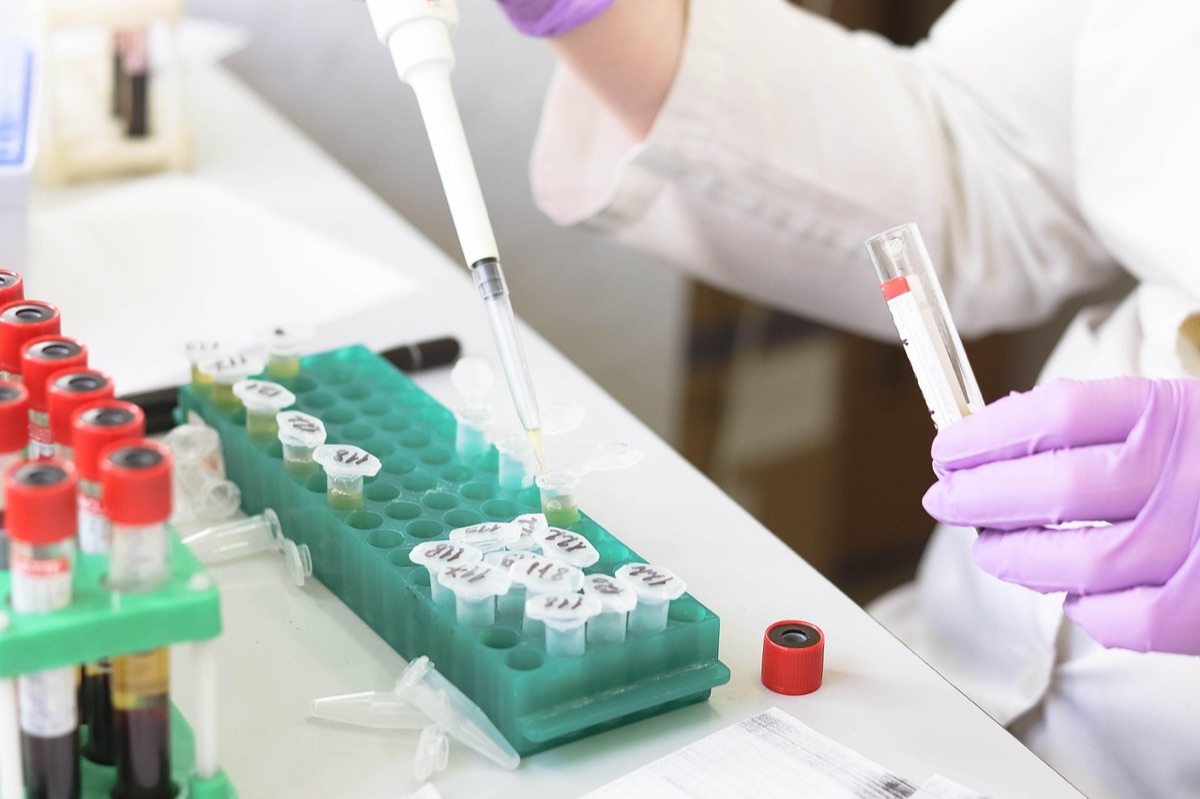
This invisible influence means that the technologist acts as a gatekeeper of truth in medicine. They translate biological signals into actionable data. When a patient is fighting an infection or managing a chronic disease, the numbers provided by the lab dictate the entire course of care.
| Work Aspect | Description |
|---|---|
| Primary Focus | Analytical accuracy and data validation |
| Work Environment | Controlled, sterile laboratory settings |
| Main Impact | Supporting 80% of clinical decisions |
What are the requirements to enter this field?
A student sits in a crowded lecture hall, surrounded by thick textbooks on organic chemistry and cellular biology. They spend late nights studying metabolic pathways, knowing that one mistake in a lab practical could mean failing the module.
According to the American Osteopathic Association, there are several factors to consider when hiring a medical scribe.
Entering this profession requires a strong foundation in the hard sciences, including biology, chemistry, and anatomy. Most positions require a bachelor's degree in medical technology or a related clinical laboratory science program.
Because the work involves handling biohazardous materials and precise instrumentation, specialized certification is often mandatory.
The typical path involves: 1. Academic Foundation: Completing a degree with heavy emphasis on laboratory sciences. 2. Clinical Internship: Gaining hands-on experience in a hospital or diagnostic lab. 3. Certification: Passing national exams to prove competency in specific laboratory disciplines. 4.
Continuous Education: Staying updated on new technologies and evolving medical protocols.
Because technology changes rapidly, lifelong learning is a requirement of the job. A professional must constantly learn how to operate new automated systems and understand new diagnostic markers.
Is this a sustainable career for the future?
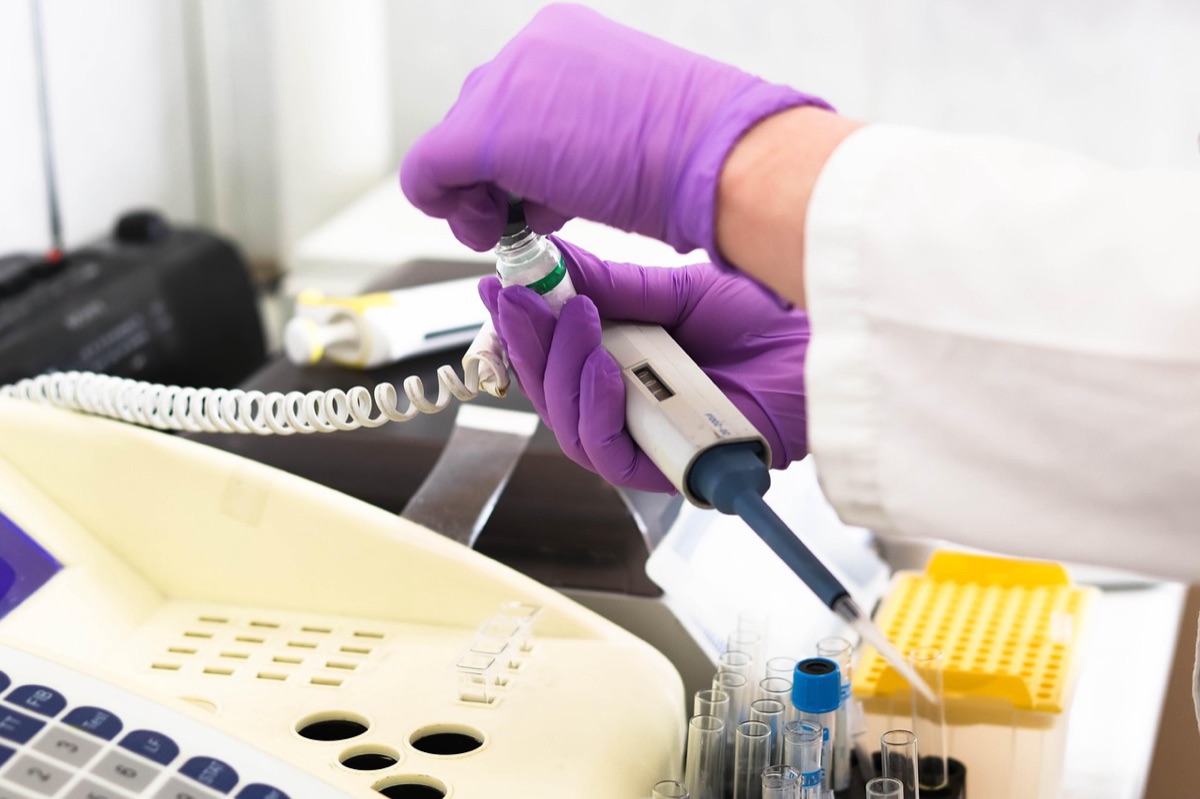
An automated analyzer whirs to life, processing dozens of tubes at once, while a technician monitors the digital interface. The room is quiet, but the data flow is constant and heavy.
As reported by the American Medical Association, medical scribes can become profitable in one year with 2 new patients a day.
The integration of automation and artificial intelligence is changing the landscape of the laboratory. While machines can now perform many of the repetitive tasks, the need for human oversight is increasing, not decreasing.
The role is evolving from manual testing toward data management and complex troubleshooting.
The future of the profession relies on: * Technological Fluency: Being able to manage and troubleshoot advanced automated systems. * Quality Control: Ensuring that automated results meet rigorous clinical standards.
* Specialization: Moving into niche areas like molecular diagnostics or genomics.
While automation handles the bulk of the repetitive tasks, the human element remains vital for interpreting complex cases and managing the integrity of the testing process.
What are the limitations of this career?
A technician finishes a twelve-hour shift, rubbing tired eyes as they walk toward the exit. The silence of the empty lab feels heavy after a day of constant mental vigilance.
According to the Association | AMA, the profitability of medical scribes can be achieved in one year with 2 new patients a day.
It is important to recognize that this is not a role for everyone. The work is often performed in isolation from the direct emotional connection of patient care, which can be difficult for those seeking traditional bedside interaction.
Furthermore, the high-pressure environment where mistakes have life-altering consequences can lead to significant mental fatigue.
Limitations to consider: * Lack of direct patient contact: Most work is performed behind laboratory doors. * Shift work: Many labs operate 24/7, requiring nights, weekends, and holidays. * High-stress environment: The responsibility for accuracy is constant and heavy.
This role is best suited for individuals who find satisfaction in precision, scientific inquiry, and the quiet importance of supporting the medical team through data.
When I tried the steps in order, the second one is where I paused longest.
Related


Comments 0