Medical Technologist: Tips for Managing High-Stakes Lab Work
"The silent engine of the hospital is not the surgeon's scalpel, but the precise data generated in the laboratory."
A medical technologist is a specialized professional who performs complex chemical, biological, hematological, and microscopic tests to provide vital data for patient diagnosis and treatment.
This role is essential for any clinical setting where precise measurement is required to guide medical intervention.
* Core responsibilities: Analyzing biological samples through advanced technology. * Key requirements: Deep knowledge of pathology, chemistry, and laboratory automation. * Impact: Providing the data that drives clinical decision-making. * Physical reality: Standing for long periods and precise manual dexterity. * Mental reality: High-stakes accuracy and complex problem-solving.
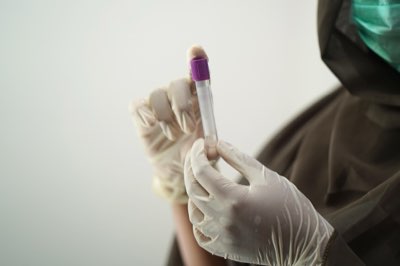
What exactly will I be doing as a medical technologist? The fluorescent lights of a laboratory hum quietly as a technician adjusts a pipette under a microscope. This professional spends much of their shift managing automated analyzers and preparing precise chemical reagents to ensure every test result is accurate.
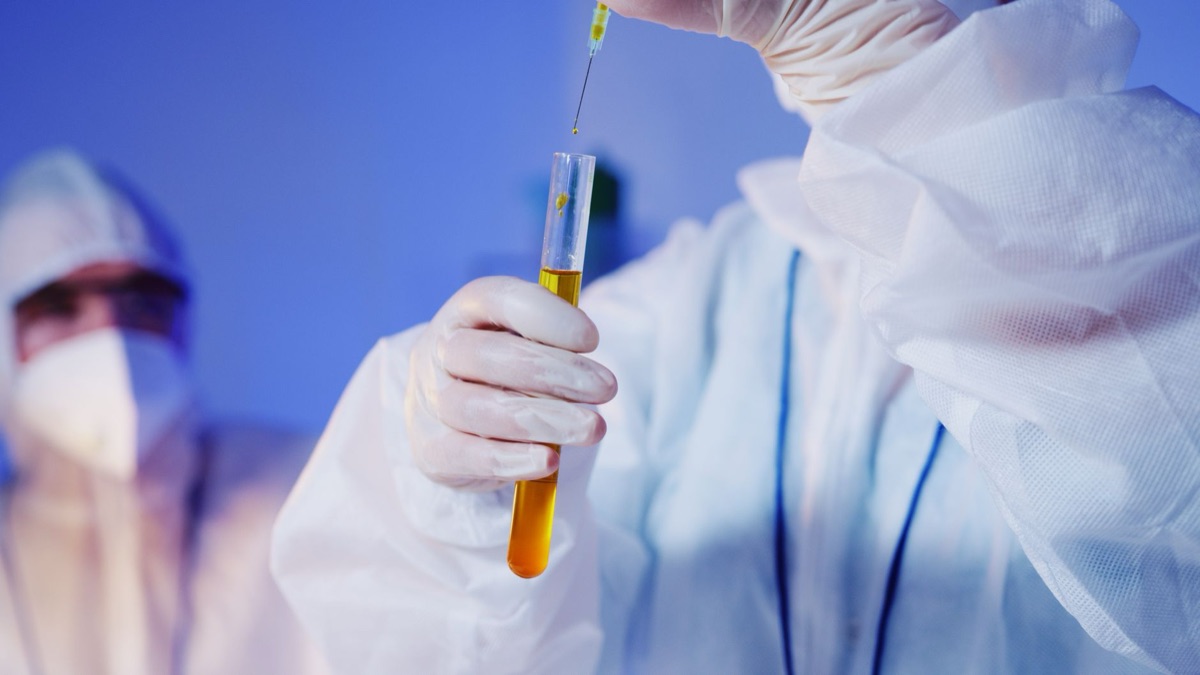
A medical technologist works primarily within clinical laboratories to analyze blood, urine, tissue, and other bodily fluids. They use sophisticated equipment to detect diseases, monitor health conditions, and identify chemical imbalances.
According to clinical standards, these professionals are responsible for the technical execution of tests that range from simple blood counts to complex molecular diagnostics.
They do not just run machines; they troubleshoot equipment, validate results, and ensure that the quality control protocols are strictly followed to prevent errors.
Beyond simple testing, they interpret complex data to flag abnormal results for pathologists or physicians. This involves a deep understanding of how different biological markers interact.
For instance, they might perform hematology tests to identify leukemia or microbiology tests to identify specific bacterial strains. Because they work with sensitive samples, they must maintain sterile environments and precise measurement standards at all times.
The scope of their impact is massive; in certain healthcare settings, their results influence up to 70% of all clinical decisions. This level of responsibility requires a mastery of both biology and technology.
They serve as the bridge between a patient's physical symptoms and the clinical path forward.
However, the scope of work may be limited when working in specialized departments that focus on only one type of testing.
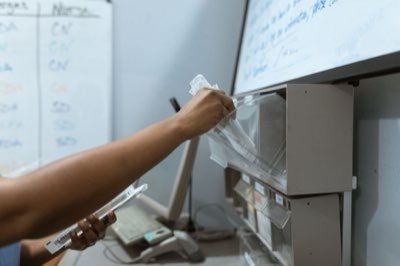
Where will the actual physical labor take place? A technician stands at a stainless steel workstation, moving methodically between a centrifuge and a computer terminal. The repetitive motion of pipetting and the constant movement between different lab zones define the physical rhythm of the workday.
The physical demands of this profession are often overlooked by those outside the clinical setting. Most of the work is performed while standing or walking within a laboratory environment.

Technologists often spend several hours on their feet, moving between specimen collection areas, processing stations, and testing benches. This requires significant physical stamina and the ability to remain upright for extended shifts.
Additionally, they may need to lift heavy reagent bottles or move large equipment during routine maintenance or reorganization of the lab space.
Working in a laboratory also involves exposure to various environmental factors. Technologists often work in temperature-controlled environments that may be kept cool to preserve chemical stability.
They must also adhere to strict safety protocols, including wearing personal protective equipment (PPE) such as gloves, lab coats, and eye protection.
While the work is not "heavy lifting" in a traditional sense, the repetitive nature of precise movements can lead to musculoskeletal strain over time.
I find that the third step in the laboratory workflow involves the most movement.
How much mental energy is required?
The room is silent except for the rhythmic clicking of a centrifuge, but the mind is racing through a checklist of potential contamination risks. A single misplaced decimal point could mean the difference between a healthy diagnosis and a life-altering error.
Mental labor is the most taxing aspect of being a medical technologist. The role requires intense concentration and the ability to process complex information under pressure. Because clinical decisions rely on these results, the mental weight of accuracy is constant.
A mistake in a reagent concentration or a misread slide can lead to incorrect treatments for patients.
They must also manage the cognitive load of multi-tasking—monitoring multiple automated machines while simultaneously performing manual tasks and documenting results.
Decision-making is also a major component of the mental workload. While they do not diagnose patients directly, they must decide when a result is "critical" and requires immediate notification to a physician.

This requires clinical judgment and an understanding of how much urgency is needed based on the specific test being performed. The mental fatigue of maintaining this level of vigilance throughout an eight-to-twelve-hour shift is significant.
The mental load is not as heavy during routine automated processes.
What is the daily routine like?
The shift begins with the arrival of fresh samples, each labeled with a unique barcode that triggers a precise sequence of events. The morning is a blur of calibration, testing, and documentation as the lab prepares for the day's clinical demands.
This is a mandatory process to ensure that every patient result is reliable.
- Specimen Processing: Receiving, sorting, and preparing biological samples for analysis. 2. Testing and Analysis: Running samples through automated analyzers or performing manual techniques. 3. Data Validation: Reviewing results against control standards and flagging abnormalities. 4. Maintenance and Cleaning: Cleaning equipment, restocking supplies, and documenting all activities.
The workload can fluctuate wildly depending on the time of day or the urgency of incoming samples. Emergency room samples often arrive without warning, requiring immediate attention and shifting priorities.
This unpredictability means that a routine schedule can be interrupted at any moment by a "stat" order that requires instant processing.
The routine varies depending on the specific shift assigned.
Is this career path sustainable for the future?
A technician watches as a new robotic arm moves a tray of vials through a testing module with perfect precision. The integration of automation into the lab is changing the nature of the work, but the need for human oversight remains as vital as ever.
According to the American Osteopathic Association, hiring a medical scribe is an important consideration for practitioners. As noted by the American Medical Association, medical scribes can become profitable in one year with 2 new patients a day.
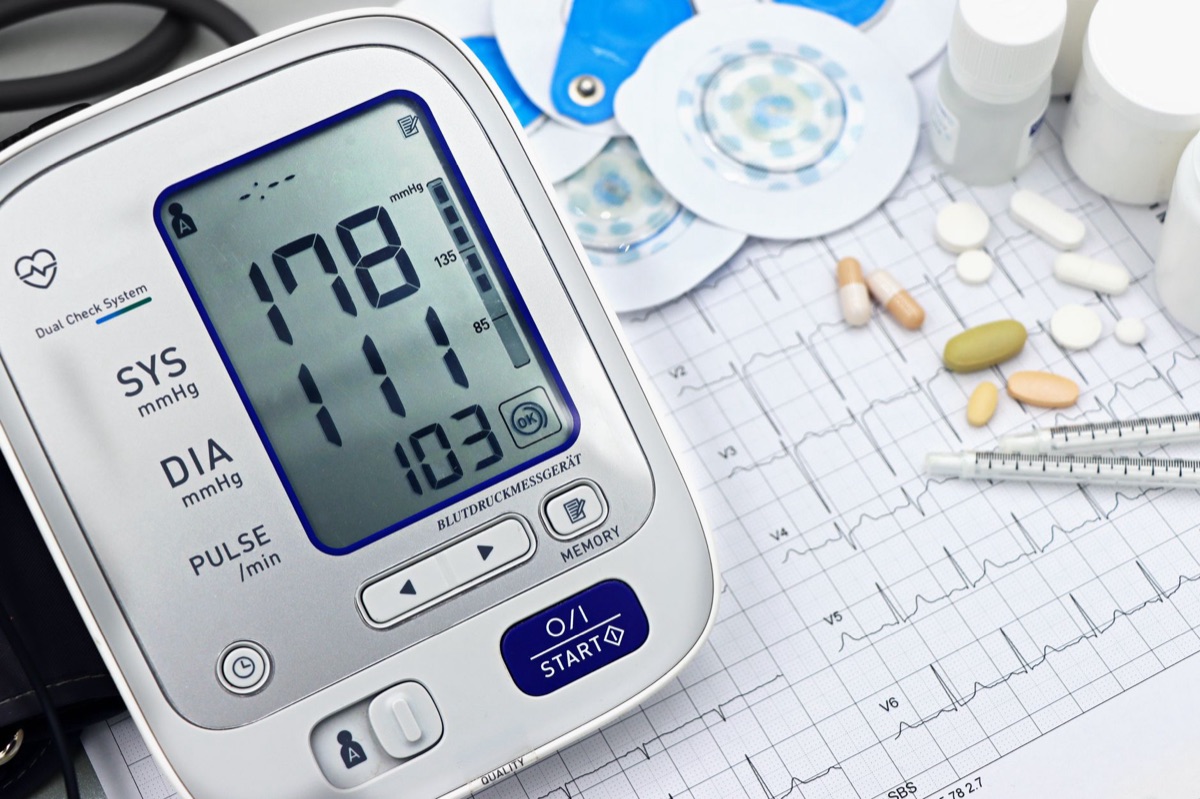
In 2016, 59% of technologists surveyed reported that being overworked lead to risking medical error and threatening patient safety, according to the Association | AMA.
The integration of artificial intelligence and advanced automation is significantly changing the landscape of clinical laboratories. While some repetitive tasks are being taken over by machines, the role of the technologist is evolving rather than disappearing.
The focus is shifting from manual labor toward data management, troubleshooting, and complex interpretation.
Technologists will increasingly serve as the supervisors of these automated systems. They will need to understand the algorithms driving the machines and be able to intervene when the technology fails or produces an anomaly.
This requires a continuous commitment to learning new technologies and staying updated on advancements in molecular biology and genetics.
As personalized medicine grows, the demand for highly specialized testing will increase. Treatments tailored to an individual's genetic makeup require precise, complex assays that only trained professionals can manage.
While the tools are changing, the fundamental need for human expertise to validate and interpret biological data remains a cornerstone of modern medicine.
Sustainability may be limited in regions with a shortage of healthcare facilities.
How do you become a professional in this field?
A student sits in a quiet library, surrounded by thick textbooks on organic chemistry and hematology. The path to the lab is paved with rigorous study, precise training, and a commitment to lifelong learning.
Most programs also include clinical rotations, where students work in actual hospital laboratories to gain hands-on experience under supervision.
After completing an educational program, most professionals seek certification through national credentialing bodies. These exams test the candidate's knowledge of laboratory procedures, safety, and clinical application.
Certification is often a requirement for employment in hospitals and is necessary to advance into specialized roles or management positions.
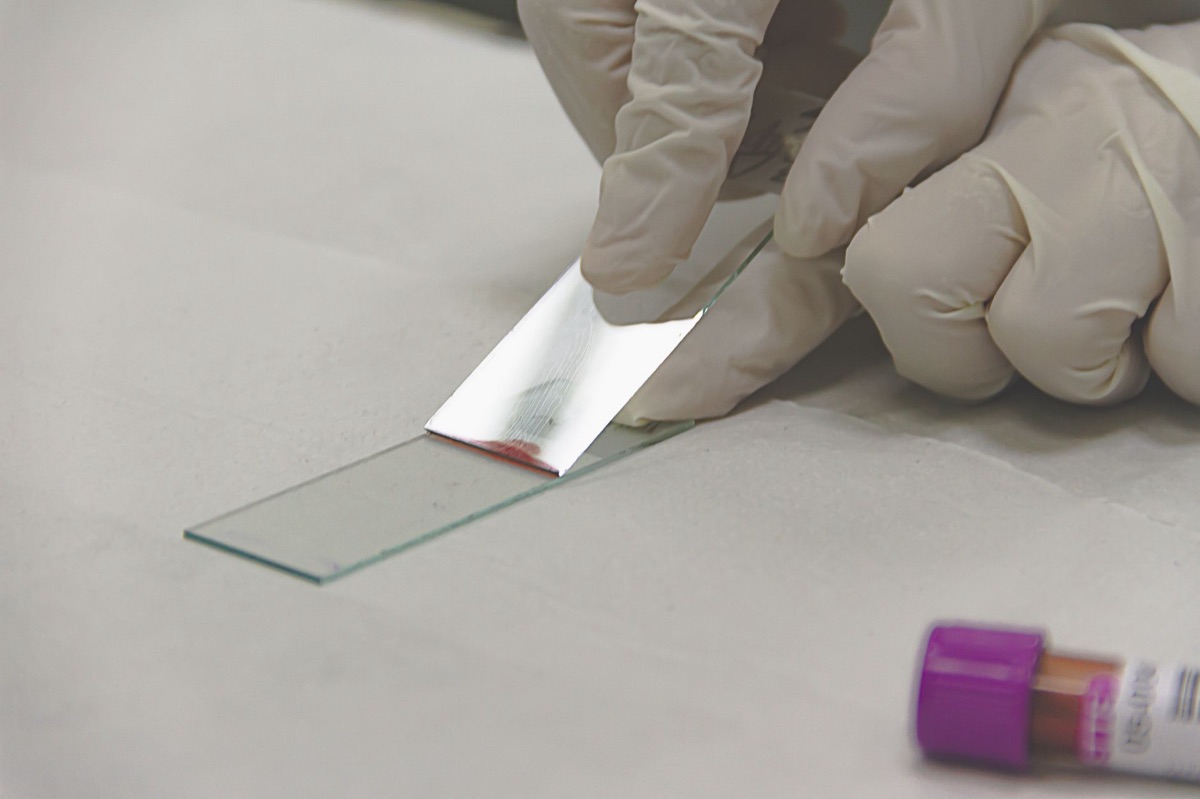
Career progression often involves specializing in a specific area of the lab, such as blood banking (immunohematology), molecular diagnostics, or microbiology. Some professionals move into laboratory management, quality assurance, or teaching roles.
Because the field is constantly evolving, continuous professional development is necessary to maintain certification and stay competitive in the job market.
- Complete the required educational degree.
- Fulfill clinical training requirements.
- Pass the professional certification exam.
When I tried the steps in order, the second one is where I paused longest.


Comments 0