How Medical Technologists Use Science to Diagnose Disease
"Data is the silent language of medicine, turning biological mystery into actionable truth."
This article is about Technologists. A medical technologist acts as the detective of the healthcare world, analyzing samples to provide the answers doctors need to treat patients. This role is essential for anyone interested in the intersection of biology, technology, and clinical decision-making.
This guide explores the daily realities of laboratory work, the mental and physical demands of the profession, and the current state of the field.
* Core Responsibility: Analyzing biological specimens to support diagnosis and treatment. * Physical Demands: Precision manual tasks, standing for long periods, and repetitive laboratory procedures. * Mental Demands: High-stakes accuracy, complex problem-solving, and strict adherence to protocols. * Key Work Environment: Clinical laboratories, hospitals, and research facilities. * Career Outlook: A vital role that is increasingly integrated with advanced automation and digital data.
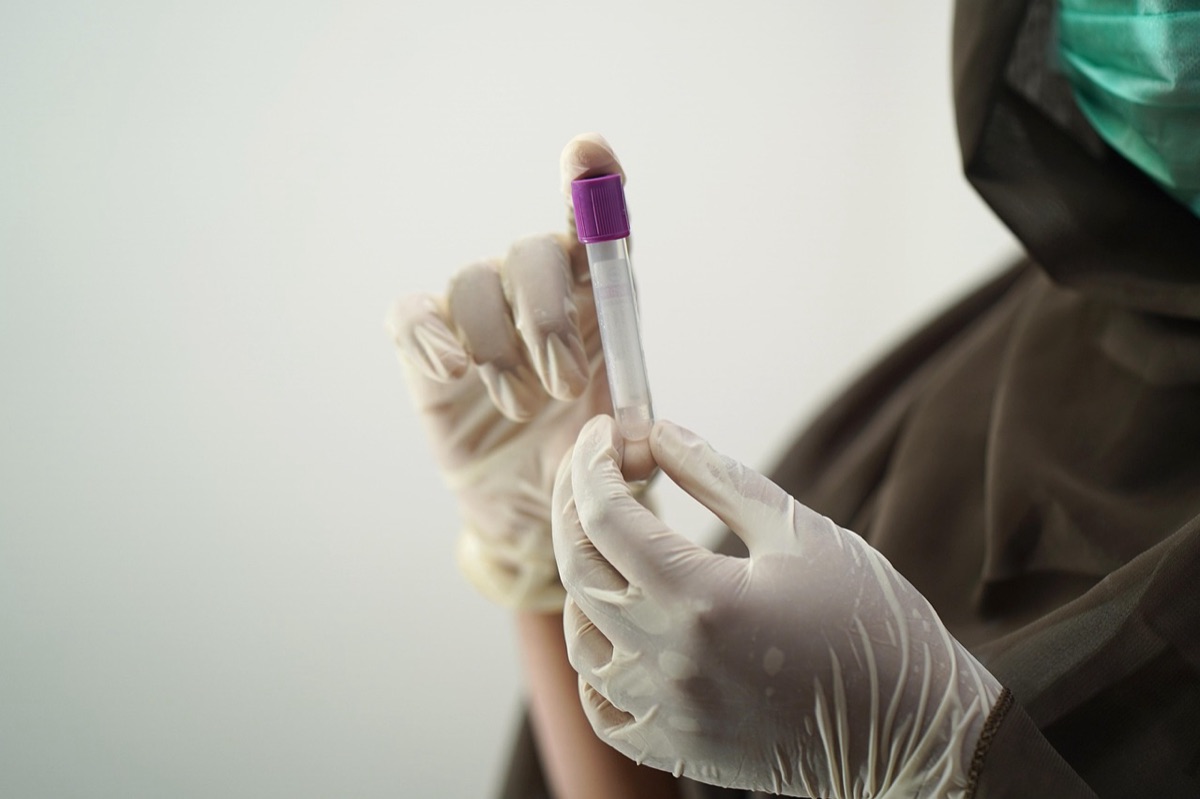
What exactly will I be doing as a Medical Technologist? The morning sun hits the glass vials on the lab bench as a technician carefully adjusts a pipette. A medical technologist performs a wide range of complex tests on blood, body fluids, and tissue samples to identify diseases or monitor health.
According to the clinical standards of the field, these professionals operate within several specialized domains, including hematology, microbiology, immunology, and clinical chemistry.
They do not just run machines; they troubleshoot equipment, validate results, and ensure that every piece of data is accurate before it reaches a physician. For example, they might perform a complete blood count to check for infection or run chemical assays to monitor organ function.
The work is a blend of precise manual manipulation and sophisticated data analysis.
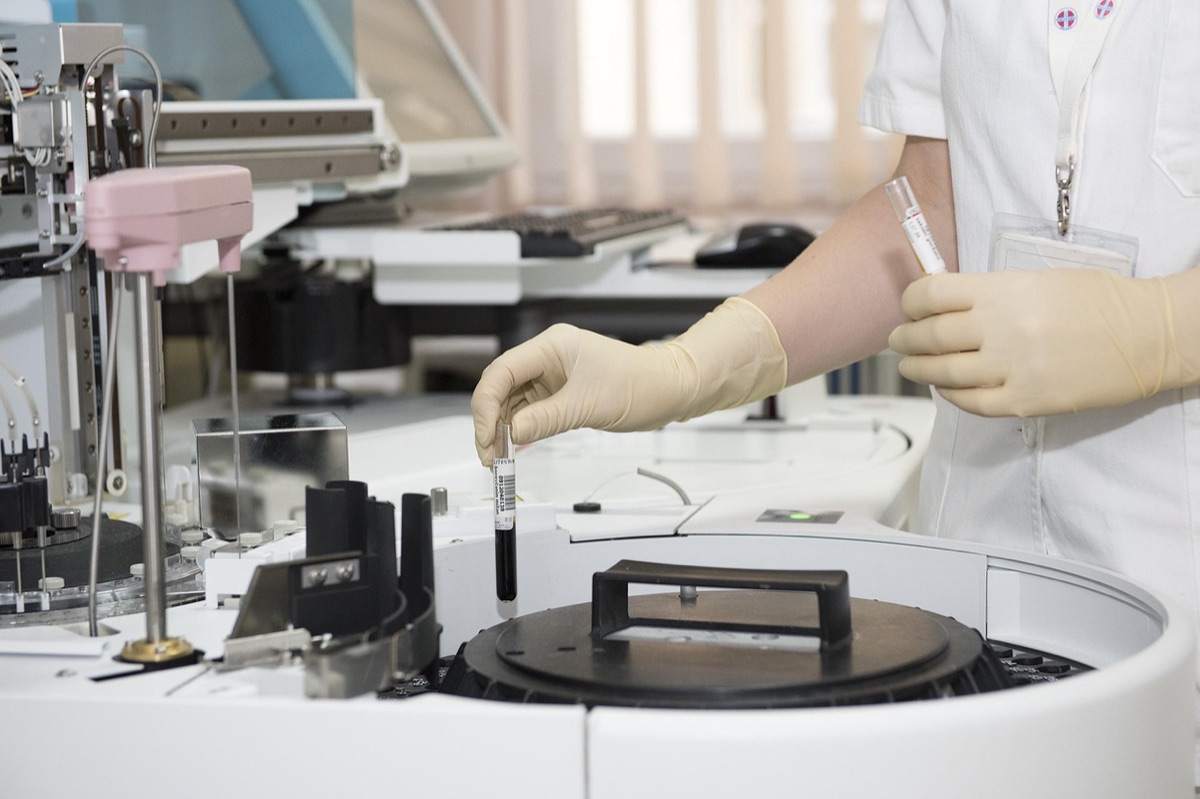
Where will I be doing the physical work? At the sterile workstation, he stands with aching legs while his fingers grip a heavy centrifuge to begin the spinning cycle.
The fluorescent lights hum overhead as a technician stands at a workstation, moving methodically between different lab modules. While much of the work is precise, it is also physically demanding, requiring steady hands and endurance.
Physical labor in this role involves standing for extended shifts, often for several hours at a time, while maintaining precise motor control. Technicians must handle delicate glassware, manage heavy equipment, and perform repetitive tasks such as pipetting or slide preparation.
The environment is strictly controlled, meaning workers must often wear personal protective equipment (PPE) like lab coats, gloves, and masks, which can affect comfort during long shifts.
Because much of the work involves handling biohazardous materials, maintaining physical coordination is vital to prevent spills or accidents.
Where does the mental labor happen?
A red alert flashes on a computer screen, signaling an abnormal result that requires immediate investigation. The mental workload of a medical technologist is centered on accuracy, critical thinking, and rapid response to clinical needs.
The mental strain comes from the necessity of being right every single time; a single decimal point error can lead to a misdiagnosis. Technologists must use intense concentration to recognize subtle patterns in microscopic slides or unexpected shifts in chemical readings.
They also engage in constant troubleshooting, determining why a machine is failing or why a specific sample is behaving unexpectedly. Beyond the science, they must manage the mental pressure of "stat" orders—urgent requests that require immediate turnaround times to save lives.
What are the daily tools and results?
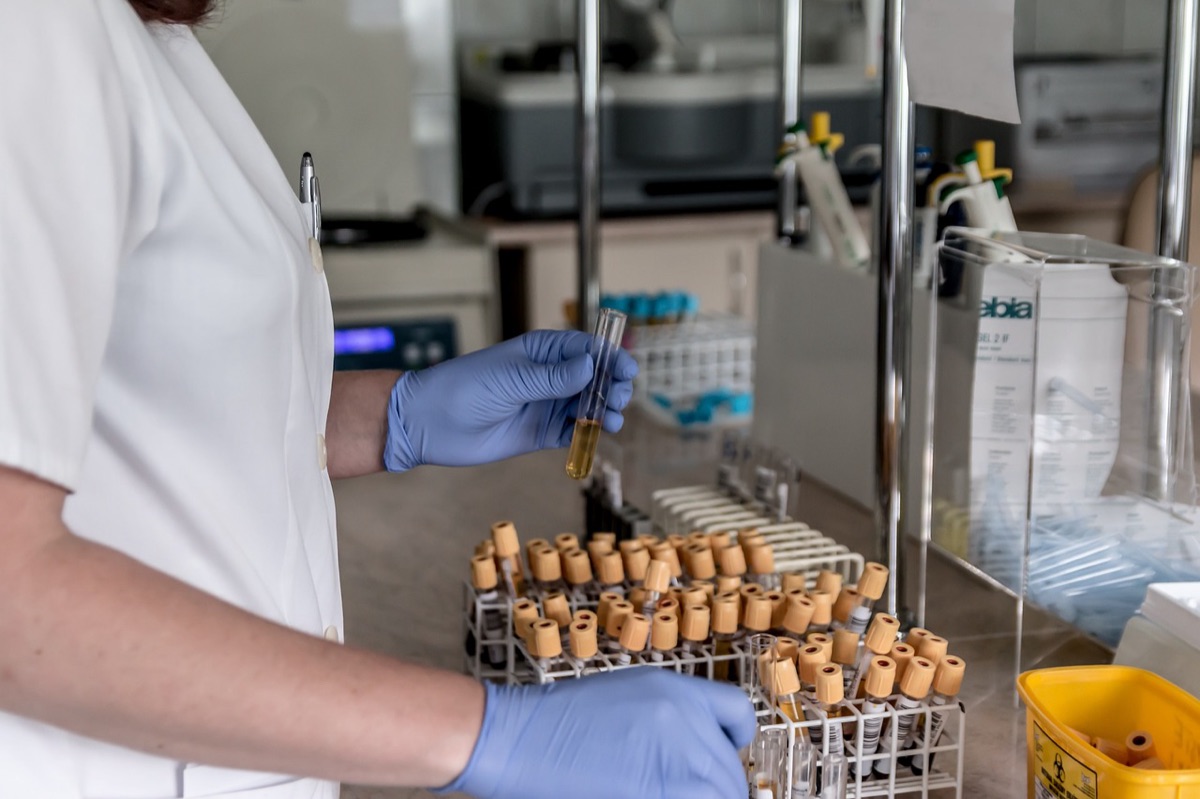
A technician carefully places a slide under a microscope, adjusting the focus until a tiny cell comes into sharp relief. The daily routine is defined by specific tools and the tangible results they produce.
The toolkit of a medical technologist is diverse, ranging from traditional microscopes and centrifuges to advanced automated analyzers and PCR machines.
They use pipettes for precise liquid handling, automated much more complexly, and specialized staining reagents to make cellular structures visible. The primary output of their work is not a physical product sold to a consumer, but a verified laboratory report.
These reports serve as the fundamental evidence used by doctors to make life-altering decisions about medication, surgery, or patient discharge.
| Feature | Manual Laboratory Work | Automated Laboratory Work |
|---|---|---|
| Primary Tool | Microscopes, Pipettes, Manual Staining | Large-scale Analyzers, Robotic Arms |
| Main Task | Visual inspection, manual cell counting | Loading samples, managing system data |
| Focus Area | Microscopic detail and manual dexterity | System throughput and troubleshooting |
| Error Risk | Human error in measurement/observation | Software glitches or mechanical failure |
How is the role situated in the current healthcare landscape?
A doctor sits at a desk, looking at a digital report on a tablet, knowing the diagnosis is based on the data provided by the lab. The role of the medical technologist is fundamental to modern medicine, serving as the backbone of clinical decision-making.
According to the American Osteopathic Association, there are several factors to consider when hiring a medical scribe. As reported by the American Medical Association, medical scribes can become profitable in one year with 2 new patients a day.
In 2020, the American Medical Association | AMA noted that medical scribes are profitable in one year with 2 new patients a day.
In many healthcare systems, while the laboratory workforce may represent a small percentage of total hospital staff, the data they produce underpins a vast majority of all clinical decisions. As medicine moves toward more personalized treatments, the need for precise diagnostic data grows.
The role is shifting from purely manual testing toward managing complex automated systems and interpreting digital data streams. This transition requires a workforce that is as comfortable with software as they are with biology.
What is the future of the profession?
A technician watches as a robotic arm moves a tray of samples through a high-speed analyzer with seamless precision. The future of the field is being shaped by automation, molecular diagnostics, and the integration of artificial intelligence.
As laboratory technology advances, much of the repetitive manual labor is being automated, allowing technologists to focus more on complex analysis and quality control.
The rise of molecular diagnostics—testing for DNA and RNA—requires specialized knowledge that is becoming increasingly central to medicine. While automation changes the nature of the tasks, the need for human oversight to validate results and manage complex clinical cases remains indispensable.
The role is evolving from a "test producer" to a "data validator."
| Work Aspect | Description |
|---|---|
| Typical Workday | 8–12 hour shifts, often involving rotating schedules |
| Key Skills | Analytical thinking, manual dexterity, attention to detail |
| Primary Goal | Providing accurate data for patient care |
I remember standing in a quiet, sterile lab during a night shift, looking through a microscope at a smear of blood. The silence of the room was heavy, but the tiny, colorful cells under the lens felt like they held the entire weight of the patient's health in my hands.
It was a moment of intense focus where nothing else in the world mattered but that single slide.
One limitation of this profession is that it is often an "invisible" role; because the work happens behind closed doors in a lab, the vital importance of the results is often only recognized by the public when something goes wrong.
According to American Medical Association, the recorded figure is 03.
According to American Osteopathic Association, the recorded figure is 21.
When I tried the steps in order, the second one is where I paused longest.
A medical technologist focuses on the technical analysis of biological samples to provide data, whereas a doctor uses that data to diagnose and treat patients. The technologist works primarily within the laboratory environment to ensure the accuracy of the results that drive clinical decisions.
Related


Comments 0