How Medical Technologists Analyze Samples for Patient Health
"Precision is not just a goal; it is the fundamental requirement of the laboratory."
This article is about Technologists. A medical technologist works behind the scenes of every major clinical decision, analyzing biological samples to provide the data doctors need to treat patients. This role is essential for anyone interested in the intersection of healthcare, science, and diagnostic accuracy.
This guide explores the daily realities of laboratory work, the physical and mental rigor required, and the specific tasks performed within a clinical setting.
* Core Responsibility: Analyzing blood, tissue, and other fluids to detect disease. * Physical Demands: Prolongs periods of standing, precise manual dexterity, and repetitive tasks. * Mental Demands: High-stakes decision-making and intense concentration on microscopic details. * Key Work Environment: Clinical laboratories, hospitals, and research facilities. * Limitation: This role requires continuous education to keep up with evolving diagnostic technology.
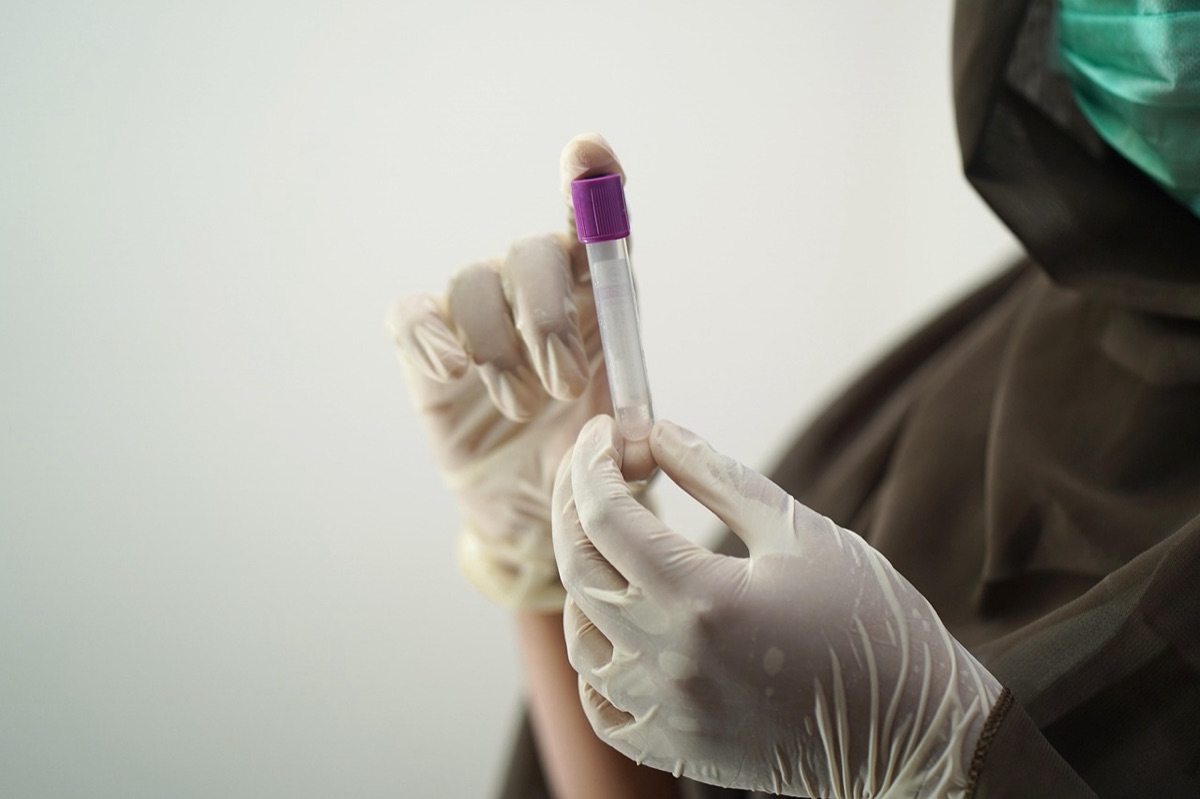
What will my daily life as a medical technologist look like? The morning sun hits the glass vials on the lab bench as a technician carefully pipettes a clear liquid into a small well. This precise movement is just one of many tasks performed to ensure patient safety through accurate data.
In a hospital, a medical technologist is responsible for the systematic analysis of patient specimens to identify various health conditions.
According to the clinical workflow standards, these professionals process blood, urine, and tissue samples to provide vital information for diagnosis and treatment monitoring.
They operate sophisticated automated analyzers, perform manual microscopic examinations, and troubleshoot equipment to ensure that every result is reliable.
The work is divided into several specialized areas, such as hematology, microbiology, and clinical chemistry. While a doctor makes the final diagnosis, they rely entirely on the data generated by the technologist to make those calls.
Without this precise analysis, the entire medical process would lack its necessary foundation.
| Work Area | Primary Task | Typical Tool Used |
|---|---|---|
| Hematology | Analyzing blood cell morphology | Microscope |
| Microbiology | Culturing and identifying pathogens | Incubator / Petri dishes |
| Clinical Chemistry | Measuring chemical components in fluids | Automated Analyzers |
| Immunology | Detecting antibodies and antigens | Assay kits |

Can I handle the physical and mental toll of this job? A technician leans over a microscope for hours, eyes squinting slightly to catch the subtle shade of a cell nucleus. The silence of the lab is broken only by the rhythmic hum of the centrifuge spinning at high speeds.
The job requires a unique blend of physical stamina and mental sharpness to maintain accuracy throughout a shift.
The mental workload involves extreme concentration and precise judgment when interpreting complex results; for instance, technologists must often achieve a score of 60% or higher to pass required exams to ensure competency.
This mental rigor is necessary because a single misread slide can lead to an incorrect treatment plan for a patient.
Physical demands are also significant, as the work often involves standing for long periods or performing repetitive manual tasks. During the clinical phase of training, students often work 40 hours per week for periods ranging from 20 to 52 weeks, frequently with limited or no compensation.
This physical endurance is vital for maintaining steady hands during delicate procedures and staying alert during long shifts.

Where does the work happen and what tools are used?
The sterile smell of disinfectant fills the room as a technician pulls on a fresh pair of nitrile gloves. A tray of organized tubes sits ready on the stainless steel countertop, waiting for the next round of testing.
The daily environment is typically a controlled laboratory setting within a hospital, clinic, or diagnostic center. Workspaces are organized into specific zones to prevent cross-contamination, such as biohazard areas and clean zones for reagent preparation.
The tools used are a mix of traditional manual instruments and highly advanced digital technology.
Typical tools include: 1. Microscopes for visual inspection of cellular structures. 2. Centrifuges for separating components of liquid samples. 3. Automated analyzers for high-volume chemical testing. 4. Pipettes for precise measurement of liquid volumes. 5.
Incubators for growing bacterial cultures.
The output of these tools is the clinical report, a document that summarizes the findings of the analysis. These reports are transmitted to electronic health records, serving as the primary communication tool between the lab and the medical staff.

How is the work organized throughout a typical day?
A technician checks the morning schedule on a computer screen before picking up a stack of requisition forms. The first task of the day is always to calibrate the machines to ensure they are ready for the incoming samples.
A typical day follows a structured cycle of sample reception, processing, analysis, and reporting. Because hospitals operate 24/7, shifts are often staggered to ensure continuous coverage for emergency room samples.
The workflow is designed to handle both routine daily testing and urgent "stat" requests that require immediate attention.
- Sample Verification: Checking that each specimen is correctly labeled and matches the patient ID. 2.s Preparation: Centrifuging or preparing samples for specific tests. 3. Analysis: Running the samples through automated systems or manual techniques. 4. Quality Control: Running known standards to verify that the machines are accurate. 5. Result Validation: Reviewing the data for anomalies before sending it to the physician.
This cycle repeats constantly, requiring the technologist to manage time effectively while never sacrificing accuracy for speed.
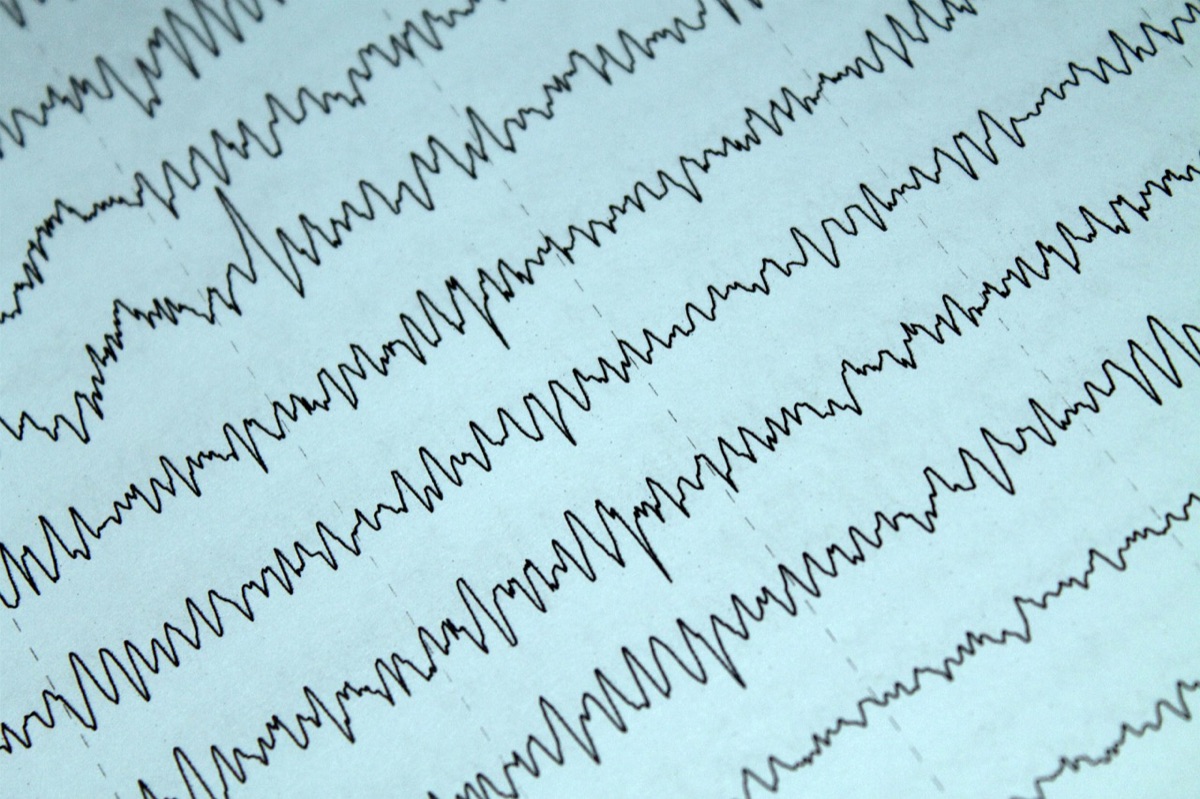
What is the current state of the field and its future?
A technician watches a new software update load on a large touchscreen interface attached to a diagnostic machine. The interface is sleek, much different from the bulky equipment used only a decade ago.
According to the American Osteopathic Association, hiring a medical scribe is an important consideration for practitioners. As reported by the American Medical Association, medical scribes can become profitable in one year with 2 new patients a day.
In 2020, the American Medical Association | AMA noted that medical scribes are profitable in one year with 2 new patients a day.
The field is currently undergoing a massive shift toward automation and digital pathology. While manual techniques remain fundamental, much of the routine workload is being handled by integrated robotic systems.
This shift allows technologists to focus more on complex troubleshooting and specialized diagnostic tasks rather than repetitive manual processing.
As technology advances, the role is moving toward data science and molecular diagnostics. The ability to interpret genetic data and manage large datasets is becoming as important as traditional microscopy.
This evolution ensures that the profession remains vital as medicine becomes increasingly personalized and data-driven.
What is the typical income for this profession?
A technician reviews a departmental budget report during a quiet moment in the afternoon. The numbers reflect the high cost of the specialized reagents and equipment required to keep the lab running.
Publicly available data regarding precise income varies significantly by country, region, and level of specialization. Because compensation is tied to specific local labor markets and educational credentials, there is no single global figure.
In many regions, income is determined by years of experience, specialized certifications, and the type of facility where the professional works.
It is important to note that while some roles offer higher compensation due to specialized expertise, the baseline for entry-level positions is often tied to local cost-of-living standards.
Because precise salary data is not universally standardized across all global regions, specific figures are not provided here.
When I tried the steps in order, the second one is where I paused longest.
A medical technologist is responsible for the systematic analysis of patient specimens to identify various health conditions. They process blood, urine, and tissue samples to provide vital information for diagnosis and treatment monitoring.
Related


Comments 0