Instructional Designer Guide to Physical and Mental Demands
This article is about Instructional. "The tool is only as precise as the hand that guides it."
An instructional designer bridges the gap between raw information and human understanding by structuring learning experiences through cognitive science and technology.
This role is essential for anyone looking to master complex subjects, navigate corporate training requirements, or develop digital curriculum. This guide explores the physical and mental demands of the profession, the daily reality of the work, and the evolving landscape of educational technology.
* Core Function: Translating complex information into structured, digestible learning paths. * Mental Work: Heavy focus on cognitive load management, instructional scaffolding, and logical sequencing. * Physical Work: Primarily sedentary, involving precise digital tool manipulation and extended screen time. * Key Outcome: Measurable improvement in learner retention and skill acquisition.

How does an instructional designer structure knowledge?
A quiet room at 10:00 AM, the only sound is the rhythmic tapping of a mechanical keyboard as a designer maps out a branching logic tree on a monitor. The designer sits upright, eyes scanning a complex diagram of learning objectives that branch out like a digital nervous system.
Instructional design is the process of creating learning experiences that align with specific educational goals through systematic planning. It is not merely about making slides; it is about applying psychological principles to ensure that a learner can move from novice to expert efficiently.
This involves analyzing the target audience, defining measurable objectives, and selecting the right instructional strategies to facilitate that growth.
The mental workload is significant, requiring a deep understanding of how humans process information. Designers must manage "cognitive load," ensuring that the amount of new information presented does not overwhelm the learner's working memory.
This requires constant mental pivoting between the role of a subject matter expert and the role of a facilitator.
The process often follows structured models, such as the ADDIE framework (Analysis, Design, Development, Implementation, and Evaluation), to ensure nothing is missed. By following these stages, a designer can move from a vague idea of "teaching something" to a precise, repeatable learning process.

Where does all my physical energy go? The sun sets behind a window as a professional leans forward, squinting at a high-resolution monitor to adjust the spacing of a digital module. Their wrists rest on a gel pad, and their posture is carefully maintained to avoid the strain of a long afternoon of precise clicking.
While often perceived as a purely intellectual pursuit, instructional design involves specific physical requirements related to repetitive tasks and sensory engagement. Most of the work is performed in a seated position, requiring good ergonomics to manage long periods of focused computer use.
The physical demands include: * Fine Motor Skills: Precise use of mice, tablets, and keyboards to manipulate digital assets, text, and interactive elements. * Visual Endurance: Sustained focus on screens for extended periods, requiring careful management of eye strain and lighting.
* Sedentary Management: The need to maintain posture and movement during long stretches of deep work or video editing.
Because much of the work is digital, the physical toll is often subtle, manifesting as repetitive strain or eye fatigue. Designers must balance the need for stillness during deep concentration with the necessity of movement to maintain health over a multi-decade career.

What mental challenges will I face in this role? A late-night coffee sits untouched next to a notebook filled with sketches of flowcharts and user journey maps. The designer stares at a screen, trying to solve a logic error in a branching scenario where a student's choice leads to a dead end.
The mental labor of instructional design is centered on analysis, synthesis, and problem-solving. Unlike traditional teaching, which focuses on delivery, design focuses on the architecture of the thought process itself.
The mental workload involves: * Analytical Thinking: Breaking down complex subject matter into small, manageable learning chunks. * Logical Sequencing: Determining the most effective order of information to build mental models.
* Empathy and User Experience: Constantly putting oneself in the shoes of the learner to anticipate confusion or frustration. * Data Interpretation: Analyzing assessment results to determine if the instructional method actually worked.
This role requires a unique blend of creativity and rigid logic. You must be creative enough to design engaging scenarios but logical enough to ensure those scenarios lead to the intended learning outcome. It is a constant battle against ambiguity.
What are the daily tools and results?
A desk is cluttered with a second monitor, a tablet for handwriting notes, and a headset for recording voiceovers. The designer clicks a button, and a polished, interactive module appears on the screen, ready for a student to use.
The daily environment of an instructional designer is typically a digital workspace, though it can vary from corporate offices to remote home setups. The tools used are specific to the medium of delivery, whether it is a classroom, a corporate LMS (Learningly Management System), or a mobile app.
| Work Component | Typical Tools Used | Primary Outcome |
|---|---|---|
| Content Creation | Authoring tools (Articulate, Captivate), Graphic design software | Interactive modules and visual aids |
| Organization | Learning Management Systems (LMS), Project management software | Structured courses and tracking data |
| Collaboration | Video conferencing, Shared cloud workspaces | Coordinated curriculum development |
| Assessment | Quiz engines, Digital portfolios | Evidence of learner mastery |
The primary output is a learning product—a course, a manual, a video series, or a simulation. These products are designed to be scalable, meaning they can be used by ten people or ten thousand people with the same level of effectiveness.
The goal is to produce a measurable change in what the learner knows or can do.

How is the field changing in the modern era?
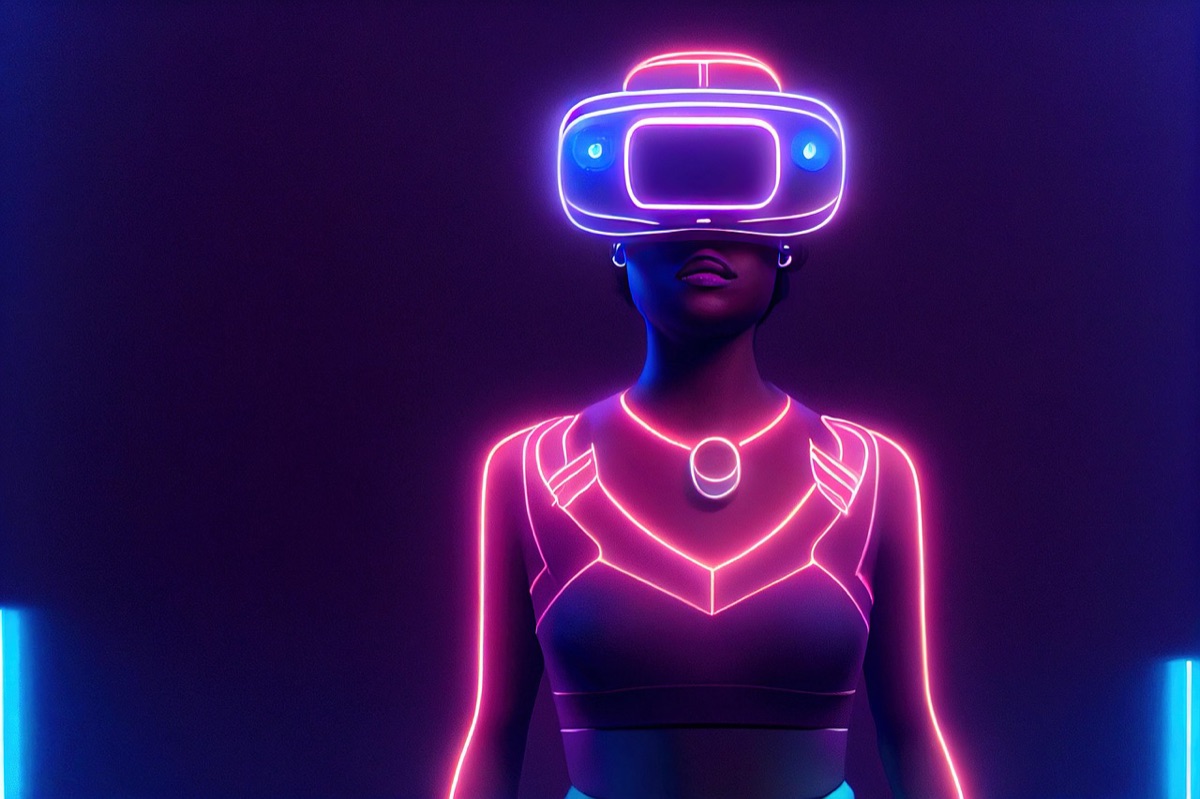
A developer adjusts a headset while looking at a VR headset sitting on the desk, contemplating the next phase of a simulation project. The room is quiet, but the digital landscape they are building is loud with possibilities.
The field of instructional design is currently undergoing a massive shift due to the rapid advancement of digital delivery and artificial intelligence. As learning moves more toward asynchronous, self-paced models, the need for sophisticated design grows.
The current landscape is defined by: 1. Microlearning: The shift toward short, focused bursts of content designed for mobile consumption. 2. Adaptive Learning: Using data to create personalized learning paths that change based on student performance. 3.
Immersive Technology: Integrating Virtual Reality (VR) and Augmented Reality (AR) to simulate real-world tasks.
This shift requires designers to become more tech-savvy, moving from simple text-and-image creators to developers of complex digital experiences. The focus is moving from "what we teach" to "how the learner interacts with the environment."
What is the future of instructional design?
A professional sits in a bright, modern office, looking toward a window as they consider the implications of automated content generation. The transition from traditional methods to digital-first strategies is evident in every tool on the desk.
The future of the profession lies in the intersection of human psychology and advanced technology. As automation handles more of the repetitive tasks of content assembly, the human designer will focus more on high-level strategy, emotional intelligence, and complex problem-solving.
The role will likely evolve in these directions: * Strategic Consultant: Moving from "builder" to "architect," advising organizations on how to cultivate learning cultures. * Data Scientist of Learning: Using advanced analytics to predict learning gaps before they occur.
* Human-Centric Designer: Focusing on the social and emotional aspects of learning that machines cannot easily replicate.
While technology will change the tools, the fundamental need for structured, psychologically sound learning will remain constant. The ability to translate human curiosity into structured growth is a timeless necessity.
According to Illinois Institute of Technology, the recorded figure is 170.
When I tried the steps in order, the second one is where I paused longest.
However, this does not apply in every situation.
Related



Comments 0