Medical Profession Tips: Balancing Skill and Empathy in Care
"The heartbeat of a community is often found within the quiet corridors of a clinic or the sudden rush of an emergency room."
This article explores the essential roles within the medical profession, focusing on how practitioners serve diverse patient populations and the physical and mental demands of the healthcare environment.
We will examine the nature of medical work, the environments where it occurs, and the realities of the field.
Key Takeaways * The medical profession involves a mix of high-stakes decision-making and precise physical tasks. * Practitioners serve various target groups, ranging from pediatric patients to geriatric populations.
* The work environment shifts between controlled clinical settings and unpredictable emergency scenes. * Professional success relies on the balance of technical skill and empathetic communication.
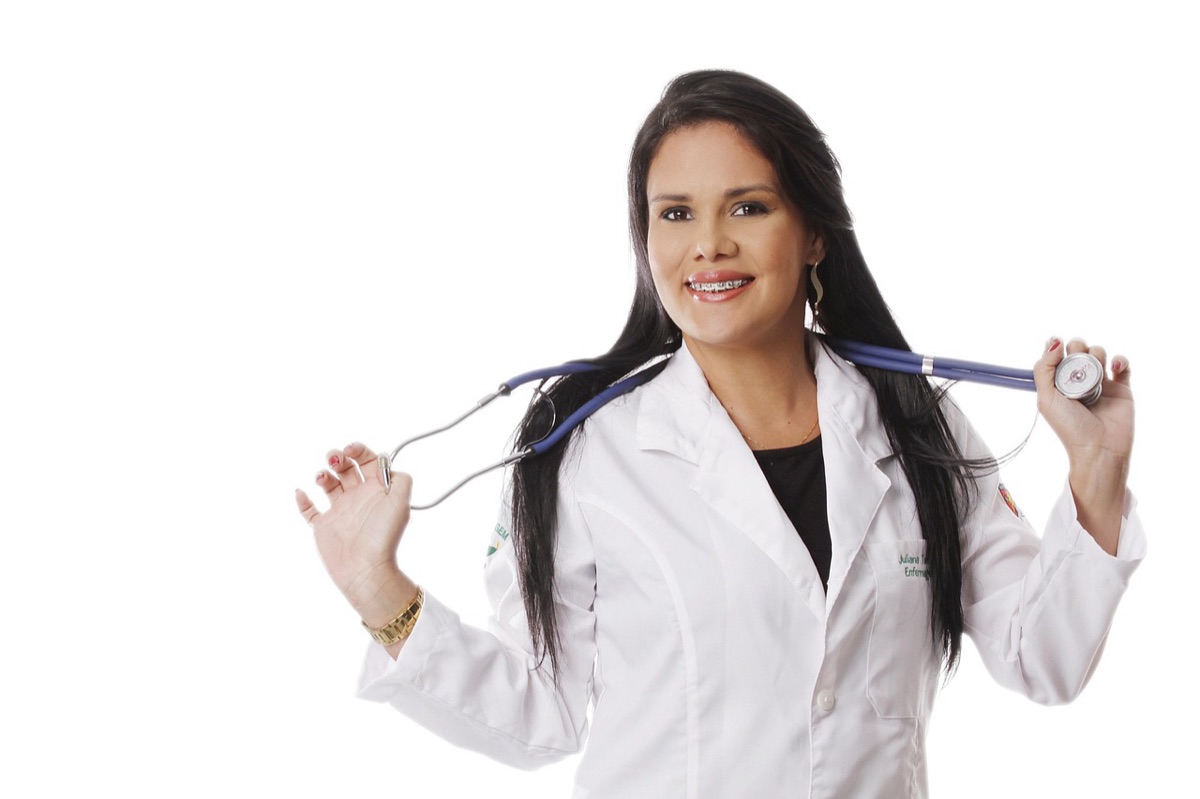
How does the medical profession serve different people?
A nurse adjusts a monitor in a dimly lit room while a doctor consults with a family in a bright hallway. These moments define the core of the medical profession, where practitioners meet the specific needs of their target groups.
The medical profession is not a monolith; it is a spectrum of specialized care designed to meet the needs of various human life stages. Practitioners focus on specific target groups, such as pediatrics for children, geriatrics for the elderly, or specialized surgical groups for trauma recovery.
The work is divided between preventative care, which aims to keep healthy people well, and acute care, which manages sudden illness or injury.
By understanding the needs of the target group, a practitioner can tailor their tools and communication. A physician working in oncology faces different mental hurdles than a midwife working in obstetrics.
The diversity of the patient population dictates the rhythm of the work, from the slow, methodical pace of chronic disease management to the rapid-fire urgency of an intensive care unit.

Where will the physical work take place? The heavy doors of an ambulance swing shut, and the sudden movement of a stretcher echoes through a sterile hallway. These physical movements are the foundation of much of the healthcare environment.
Physical labor in the medical field involves much more than just standing for long hours. It includes lifting patients, maneuvering heavy equipment, and maintaining precise hand-eye coordination during delicate procedures.
The physical load can vary from the repetitive motions of a laboratory technician to the heavy lifting required by nursing staff during patient transfers.
| Aspect of Physical Work | Description of Activity |
|---|---|
| Mobility | Moving between patient rooms, wards, and different departments. |
| Manual Dexterity | Performing fine motor tasks like suturing or administering injections. |
| Strength | Lifting, repositioning, or transferring patients and heavy equipment. |
| Endurance | Maintaining focus and physical readiness during long, consecutive shifts. |
The physical environment can be unpredictable. Some practitioners work in climate-controlled offices, while others face the physical strain of outdoor emergency response or the sheer exhaustion of standing on hard hospital floors for twelve hours.
Where will the mental work take place? A surgeon stares at a monitor, eyes tracking a tiny movement, while the mind calculates the next three steps of a complex procedure. This mental load is the invisible weight of the medical profession.
Mental labor in healthcare is centered on critical thinking, rapid judgment, and emotional regulation. Practitioners must process vast amounts of data—lab results, vital signs, and patient histories—to make life-altering decisions.
The mental load involves constant risk assessment: deciding when to intervene and when to observe.
The cognitive demand also includes the ability to communicate complex information clearly. Explaining a diagnosis to a grieving family requires a different kind of mental energy than analyzing a complex radiological scan.
This mental work is often layered; one must be technically brilliant while remaining emotionally stable under pressure.
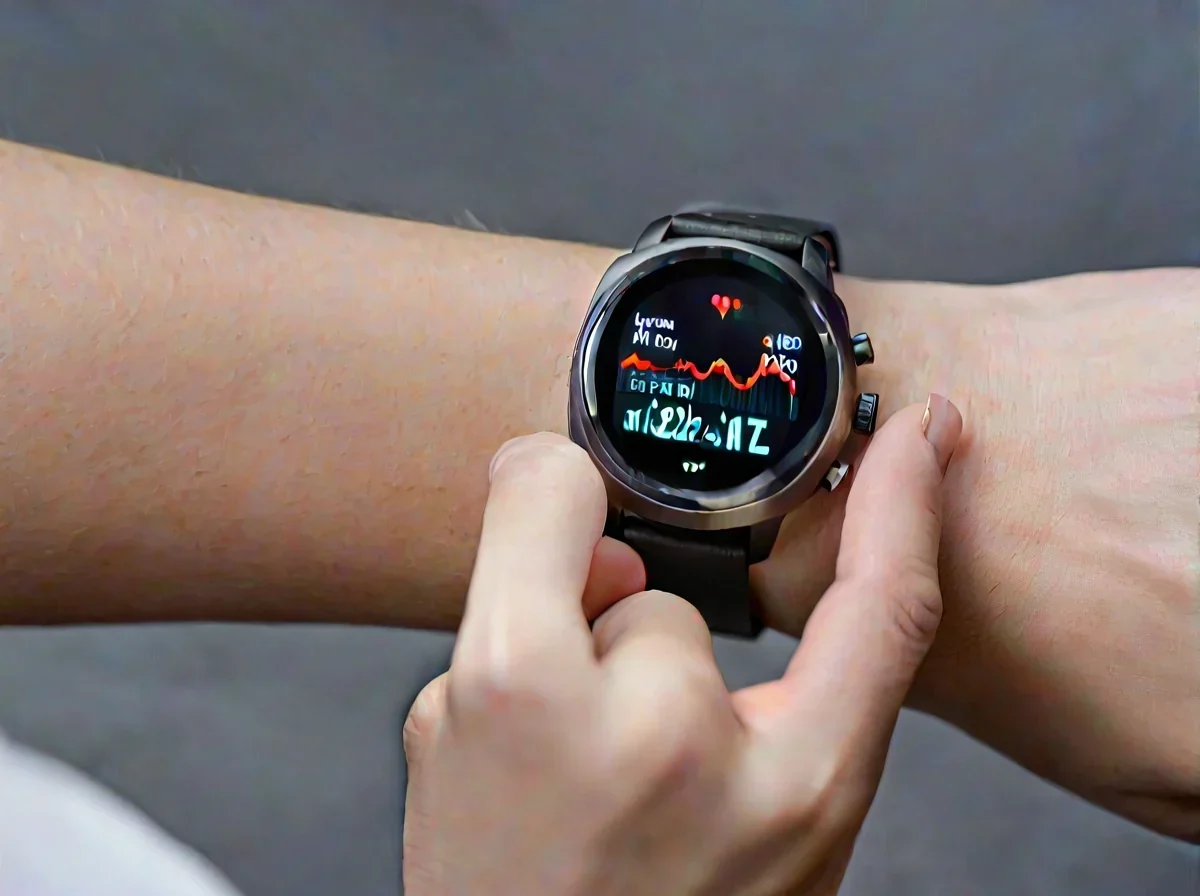
What are the tools and results of the day?
A heavy metal tray clinks as it is placed on a stainless steel table, and the smell of antiseptic fills the air. These tools and results define the daily output of the healthcare worker.
The tools of the trade range from digital interfaces to physical instruments. A diagnostic tool might be a high-resolution ultrasound machine, while a surgical tool might be a scalpel.
The results of the work are often intangible—the stabilization of a patient, the management of pain, or the successful prevention of a disease.
- Assessment: Gathering data through physical examination or diagnostic testing. s2. Intervention: Applying the necessary treatment, whether through medication, surgery, or therapy. 3. Documentation: Recording every action and observation to ensure continuity of care. 4. Communication: Relaying findings to the patient, the family, and the rest of the medical team.
The output of a medical professional is the health and well-being of the target group they serve. Whether it is a clear scan or a stabilized heart rate, the results are the direct consequence of the tools used and the mental focus applied.
How does the current field look?
The quiet hum of a modern hospital's HVAC system competes with the distant sound of a paging system. The current state of the field is one of technological integration and shifting demographics.
According to the Health Service Executive, the public health care system is governed by the Health Act 2004. According to OECD, in 2011, the health care industry consumed an average of 9.3 percent of the GDP or US$ 3,322 (PPP-adjusted) per capita across the 34 members of OECD countries.
The current healthcare landscape is shaped by aging populations in many developed nations, which increases the demand for geriatric and chronic care specialists.
Simultaneously, the integration of digital health records and telehealth has changed the physical location of work, allowing some practitioners to consult from remote sites.
The field is also seeing a shift toward specialized roles. As medical knowledge expands, the "generalist" role often gives way to highly specialized practitioners who focus on narrow, complex areas of human biology.
This specialization allows for better outcomes but increases the pressure to remain current with rapidly evolving medical technology.
What does the future hold?
The glow of a tablet screen illuminates a face as they review a genetic sequence. The future of the field is being written by the intersection of biology and digital innovation.
The future of the work will likely involve even deeper integration with artificial intelligence and robotics. While the human element of empathy and physical touch remains irreplaceable, the technical aspects of diagnosis and even some surgical tasks will become increasingly automated.
This will shift the mental load from manual execution to the management of complex technological systems.
As the global population changes, the focus on preventative medicine and personalized genomics will likely become the standard. The practitioners of the future will need to be as comfortable with data science as they are with traditional clinical skills.
When I tried the steps in order, the second one is where I paused longest.
However, this does not apply in every situation.
Comments 0