AI impact on design jobs: Guide to evolving design roles
"The only constant in the evolution of design is the shifting relationship between the creator and their tools."
The AI impact on design jobs involves a transition from manual execution to strategic oversight and technical integration. This shift requires designers to adapt to automated processes while maintaining creative direction.
This guide explores how roles change, the salary landscape, and the necessity of continuous learning.
How does the AI impact on design jobs manifest in daily workflows?
At my desk, I watch the screen flicker as the algorithm's sudden impact on my workflow turns hours of manual drafting into mere seconds of observation.

A designer sits at a workstation, observing an algorithm generate dozens of layout variations in seconds. This rapid iteration changes the fundamental nature of the work from drafting to curation.
The AI impact on design jobs often means moving away from repetitive tasks toward high-level decision-making. As tools automate the minutiae, the role shifts toward defining parameters and selecting the best outputs.
This change mirrors historical shifts in technology where the tool changed the hand of the artist.
The future of design careers depends on how well professionals integrate these automated systems into their creative vision. Professionals who master these tools can focus more on conceptual depth rather than technical repetition.
This transition allows for a broader scope of work within the same timeframe.
- Automate repetitive tasks like resizing or masking.
- Generate rapid prototypes for initial concept exploration.
- Refine visual details through iterative prompting.
What are the current salary trends for design professionals?
I stare at the mounting financial reports in my dim office, feeling the heavy impact of the growing wage gap.
A professional reviews a financial statement, noting the wide gap between entry-level roles and specialized senior positions. The numbers reflect the varying levels of expertise and market demand.
The economic reality of design roles shows significant variance based on specialization and experience. According to the Bureau of Labor Statistics, the median salary for graphic designers was $58,900 as of May 2023. This baseline provides a snapshot of the mid-career professional level.
The distribution of income within the field can be quite broad. The bottom 10% earned less than $36,420 while the top 10% earned more than $100,450. These figures illustrate the importance of moving into specialized or leadership roles to maximize earnings.
| Salary Percentile | Annual Earnings |
|---|---|
| Bottom 10% | Less than $36,420 |
| Top 10% | More than $100,450 |
I observed how these disparities often correlate with the technical complexity of the tools used.
In this sequence, the second step is the longest.
How can we navigate the evolution of design roles?
A strategist looks at a organizational chart, planning for the integration of new software and departmental shifts. The structure of the team must adapt to remain efficient.
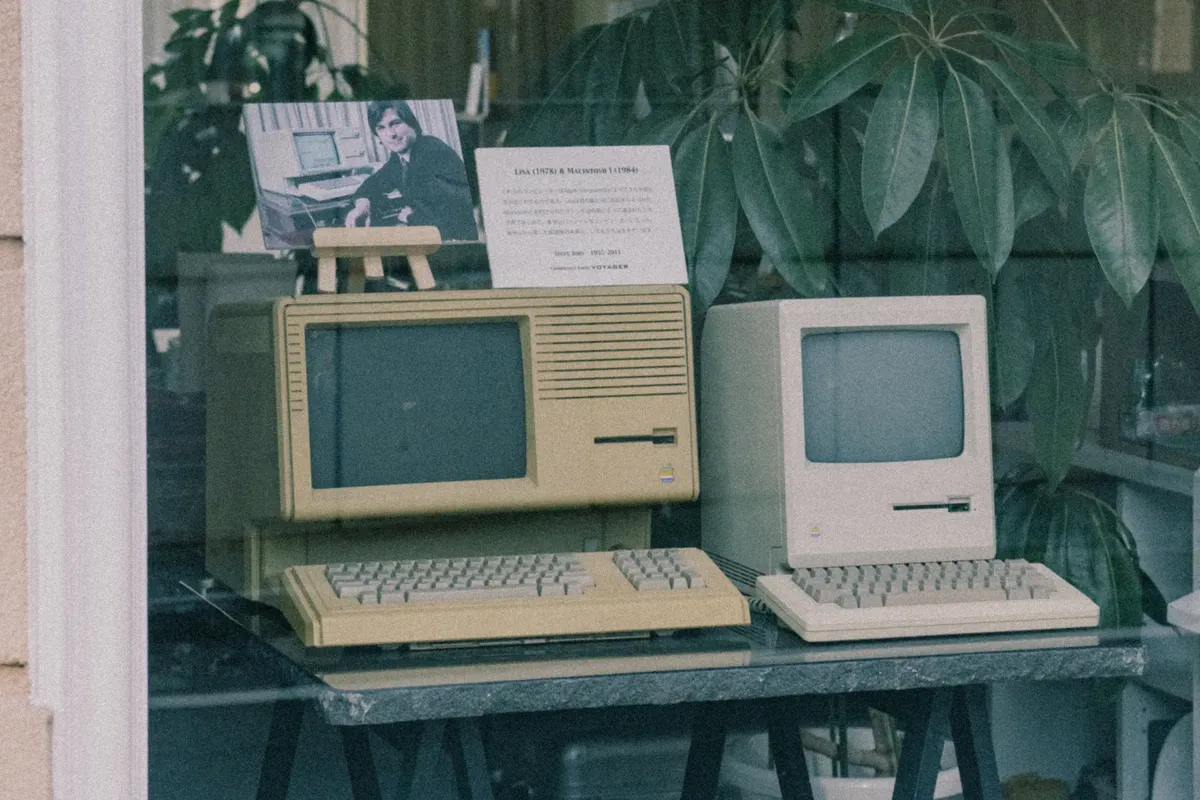
The evolving designer jobs require a proactive approach to skill acquisition and structural adaptation. As organizations change, individuals must find ways to remain indispensable through unique human insights.
- Identify repetitive tasks that can be automated to free up mental bandwidth for creative strategy. 2. Master the underlying logic of new software to maintain control over the output. 3. Develop soft skills such as client management and conceptual storytelling that machines cannot replicate.
A final check of these steps ensures that the human element remains at the center of the design process.
What new opportunities arise from tech change in design?
A developer looks at a screen filled with complex code, realizing that the logic used to build the interface is as important as the visual itself. The lines between design and programming continue to blur.
The tech change in design often creates new niches that did not exist a decade ago. These roles focus on the intersection of user experience, data, and algorithmic generation.
The digital revolution design era offers more than just new tools; it offers new ways to solve problems.
For example, the 2018 Computer Pioneer Award from The IEEE Computer Society recognized the impact of bringing object-oriented programming to the mainstream through the design and implementation of the C++ programming language.
This historical context shows how technical design innovations redefine entire industries.
Why do professionals consider a career change in the design field?
An individual looks at a job posting, weighing the desire for a new challenge against the stability of their current role. The decision to move is often driven by internal or external pressures.
The future of design careers is often influenced by the reasons people leave or enter the field. These motivations range from organizational shifts to personal growth.
Some professionals move due to the downsizing or the restructuring of an organization, which accounted for 54% of career changes. Others pursue new challenges or opportunities that arise, representing 30% of transitions.
Additionally, 21% of individuals make moves for the improvement of work/life balance.
How do we prepare for the changing design landscape?
A student studies a textbook, preparing for a future where digital literacy is the baseline for all creative work. The effort put in today determines the flexibility of the career tomorrow.

The AI in design roles necessitates a mindset of lifelong learning. Staying relevant means understanding both the creative and the technical aspects of the industry.
One way to prepare is to understand the educational impact on earning potential. Some research shows adding one year of schooling beyond high school creates an increase of wages 17.8% per worker. Increasing technical literacy through specialized training can serve as a hedge against automation.
The current scope of this discussion is limited to the economic and structural shifts in design professions based on available historical and statistical data.
This part also covers AI tools for designers.
This part also covers New design job structures.
AI tools for designers
Related
- Screen design expert day: Tips for intuitive design
- Route agent operation management: Guide to service delivery
What conditions dictate the effectiveness of new design workflows? 1. The successful integration of automated systems depends on the designer's capacity to define precise parameters for the algorithm. 2. Maintaining creative direction requires the professional to focus on conceptual depth rather than merely accepting the tool's initial output. 3. The shifting relationship between the creator and their tools demands that designers understand the underlying logic of the software they employ.
This understanding allows professionals to guide the AI toward desired aesthetic and functional outcomes. When the parameters are poorly defined, the rapid iteration becomes merely noise rather than a productive design evolution.
The effectiveness of the workflow hinges on this active, strategic oversight.





Comments 0