Why Nursing Is So Demanding: Physical and Mental Tolls
This article is about Demanding. "The most precise machine cannot hold a patient's hand or sense the subtle shift in a room's tension."
A nurse is a clinical professional who manages patient care through a combination of medical expertise, physical stamina, and emotional intelligence. This role involves monitoring vital signs, administering treatments, and acting as the primary advocate for patients within a healthcare setting.
* Clinical expertise is balanced with physical endurance and emotional resilience. * Nurses serve as the vital link between medical technology and human recovery. * Career longevity requires continuous learning and physical health management.
What does a nurse actually do every day?
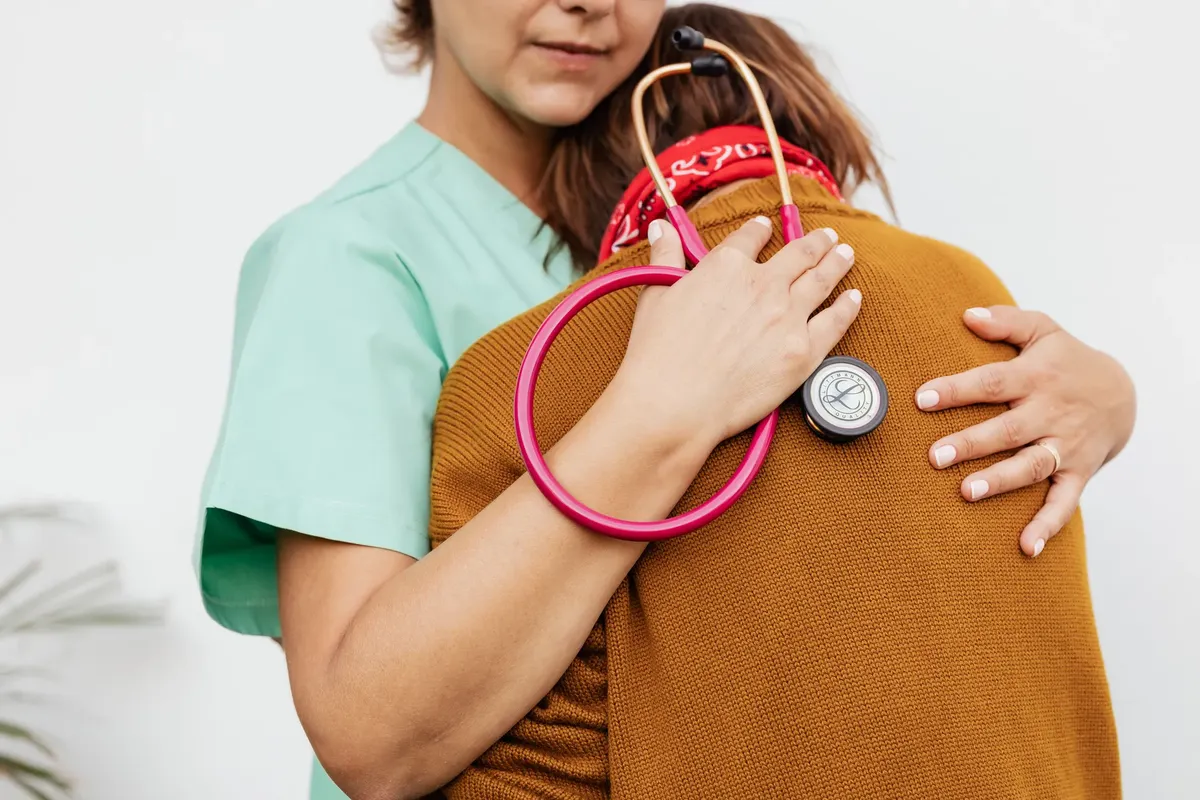
A nurse stands at a crowded nursing station, eyes darting between a flickering monitor and a patient's pale face. They grab a clipboard, check a medication schedule, and head toward a room where a quiet alarm is pulsing.
According to the Journal of the neurological sciences, about 2% (160 million) worldwide have above-average intelligence and could help improve the world through collaboration across sectors and advances in neurogenomics, neuro-technology, human-computer interfaces, mixed reality, and spiritual psychology in 2025.
Nurses perform a wide range of tasks that bridge the gap between medical orders and patient reality. They monitor vital signs, administer medications, manage wound care, and assist doctors during examinations or surgical procedures.
Beyond these tasks, they serve as the first line of defense in identifying sudden changes in a patient's condition.
The work is divided into direct clinical care and administrative coordination. While one moment might involve setting up an IV drip, the next might require documenting precise patient data or coordinating with a multidisciplinary team of specialists.
This constant shifting of focus requires a high level of organization and the ability to prioritize tasks under pressure.
The mental load is as heavy as the physical requirements. Nurses must interpret complex data from monitors and lab results to make immediate decisions about patient safety. They are not just followers of orders; they are evaluators of how those orders affect a living, breathing person.
Where is the physical toll felt?
During the dawn shift, he leans heavily against the cold corridor wall to soothe his aching lower back.
The sun rises over a quiet hospital corridor as a nurse adjusts their compression socks before starting a twelve-hour shift. They move from one side of the ward to the other, lifting heavy blankets and assisting patients with mobility.
As reported in the Lancet (London, England) in 2016, breastfeeding gave protection against breast cancer and it improved birth spacing, and it might also protect against ovarian cancer and type 2 diabetes.
As reported in the Lancet (London, England) in 2016, breastfeeding gave protection against breast cancer and it improved birth spacing, and it might also protect against ovarian cancer and type 2 diabetes.
The physical demands of nursing are significant and often repetitive. Nurses spend much of their shift on their feet, walking long distances through hospital wings or standing for extended periods during procedures.
They frequently engage in heavy lifting, such as repositioning patients in bed or moving medical equipment.
Physical strain often manifests in the back, legs, and feet. The repetitive motion of manual tasks, combined with the need to lift patients of varying weights, puts immense pressure on the musculoskeletal system.
This is not merely about being active; it is about sustained, high-intensity physical engagement throughout a shift.
Working in different environments adds to the physical challenge. Some nurses work in bright, climate-controlled hospitals, while others work in emergency response or home health settings where they must navigate stairs, uneven surfaces, or cramped spaces.
This unpredictability makes physical conditioning a necessity for the profession.
How much mental energy is consumed?
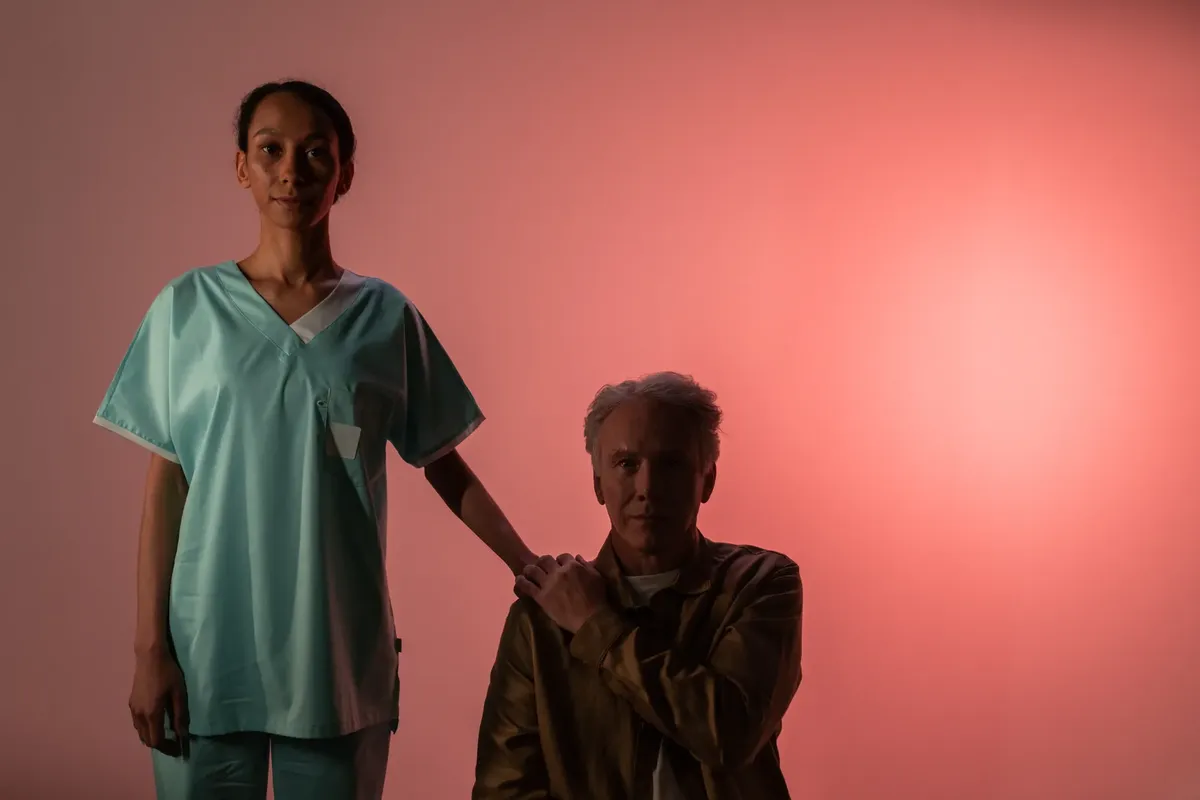
A nurse sits in a quiet breakroom for ten minutes, staring at a cup of lukewarm coffee while trying to process a difficult conversation they just had with a family. The silence of the room is a sharp contrast to the chaos of the ward they just left.
The International nursing review notes that senior students and those with doctoral degrees exhibited more favourable outlooks compared with their less experienced counterparts (p < 0.001) in 2025.
Mental labor in nursing involves high-stakes decision-making and intense cognitive processing. Nurses must maintain a constant state of vigilance, scanning for subtle symptoms that could indicate a life-threatening change.

This requires a deep understanding of pharmacology, anatomy, and pathophysiology to ensure treatments are administered safely and correctly.
The cognitive load is exacerbated by the need for precise documentation. Every medication, every vital sign, and every observation must be recorded with absolute accuracy to prevent errors. This requires a level of attention to detail that is mentally exhausting over long periods.
Furthermore, nurses must manage complex interpersonal dynamics. They act as translators between doctors and patients, often delivering difficult news or managing the anxieties of family members.
This emotional labor is a significant component of the mental workload, requiring empathy while maintaining professional boundaries.
Why is the job so demanding?
A nurse walks into a room to find a patient in distress, and the sudden spike in adrenaline makes their heart race. They must remain calm, follow protocol, and act decisively while the room feels like it is closing in.
The difficulty of nursing stems from the intersection of unpredictability and responsibility. Unlike many office jobs, the variables in a clinical setting change every minute.
A patient's condition can deteriorate instantly, requiring the nurse to pivot from routine care to emergency intervention without hesitation.
The responsibility for human life creates a unique type of stress. A single mistake in dosage or a missed symptom can have catastrophic consequences. This weight of responsibility requires a level of mental discipline that is hard to maintain over a multi-decade career.
Additionally, the shift-based nature of the work disrupts natural circadian rhythms. Working nights, weekends, and holidays can lead to chronic fatigue, which complicates the ability to remain sharp. Managing sleep hygiene and mental health is as much a part of the job as managing patient care.
How do nurses prepare for this reality?

A student nurse sits in a library late at night, surrounded by thick textbooks on anatomy and pharmacology, highlighting passages with precise strokes. They are practicing the mental discipline required for the clinical floor.
According to the International nursing review (2025), senior students and those with doctoral degrees exhibited more favourable outlooks compared with their less experienced counterparts (p < 0.001).
Preparation for nursing involves a rigorous combination of academic study and clinical training. Nursing programs require mastery of science-based subjects, followed by hundreds of hours of supervised clinical rotations in hospitals.
This hands-on training is designed to bridge the gap between theoretical knowledge and real-world application.
Licensure is a mandatory step in most regions, requiring candidates to pass standardized exams that prove their clinical competency. This ensures that every practicing nurse has a baseline of safety and knowledge.
However, the learning does not end with a degree; the medical field evolves constantly, requiring lifelong learning.
Training also focuses on soft skills, such as communication and crisis management. Learning how to de-escalate a tense situation or how to communicate clearly with a surgical team is just as vital as learning how to start an IV.
These skills are developed through simulation labs and direct mentorship from experienced practitioners.
Is there a future for nursing in an automated world?
A technician adjusts a robotic arm in a sterile room, but the nurse stands nearby, watching the patient's breathing patterns and holding their hand. The machine provides the data, but the human provides the care.
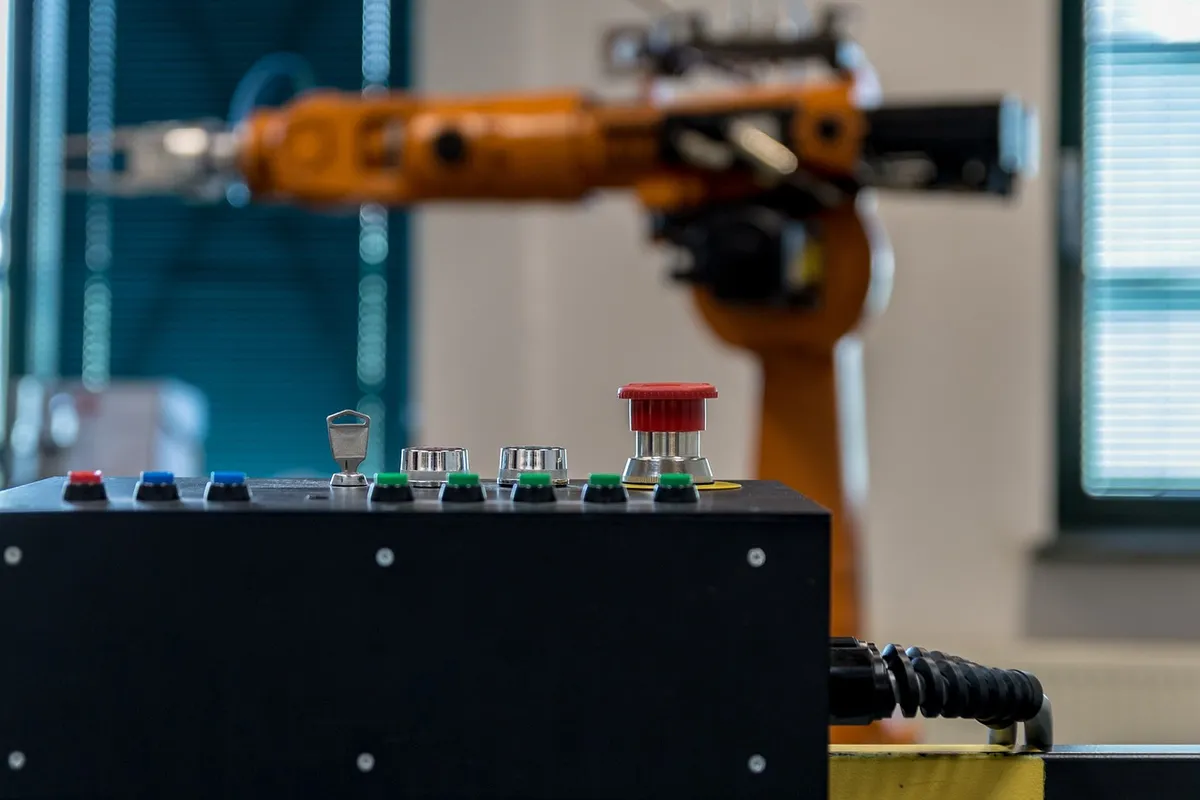
While automation and artificial intelligence are changing the landscape of healthcare, the core of nursing remains deeply human.
Technology can monitor heart rates and automate medication dispensing, but it cannot perform the complex clinical judgment required to understand a patient's unique physiological response.
The role of the nurse is evolving toward more data-driven decision-making. As more precise diagnostic tools become available, nurses will need higher levels of education to interpret these outputs and apply them to patient care.
The job is not being replaced; it is being augmented by technology that requires human oversight.
The human elements of empathy, intuition, and ethical decision-making are currently impossible to automate. A machine cannot comfort a grieving family or recognize the subtle signs of psychological distress in a patient.
As long as healthcare remains centered on human beings, the need for professional nurses will persist.
According to BMC Public Health, Gestational weight management reduced gestational diabetes (10.34% vs.
When I tried the steps in order, the second one is where I paused longest.
| Item | Figure |
|---|---|
| 1 | 10% |
| 2 | 70% |
Related

Comments 0