Plastic factory daily routine: How to select polymers best
A plastic manufacturing professional manages a complex cycle of material selection, temperature monitoring, and precision molding to ensure product stability. This role requires constant technical judgment to prevent material distortion and maintain structural integrity.
Daily operations in a plastic factory involve managing thermal limits, selecting appropriate polymers, and overseeing the molding process to meet strict quality standards. Professionals must understand how specific resins react to heat to ensure every batch remains functional for its intended use.
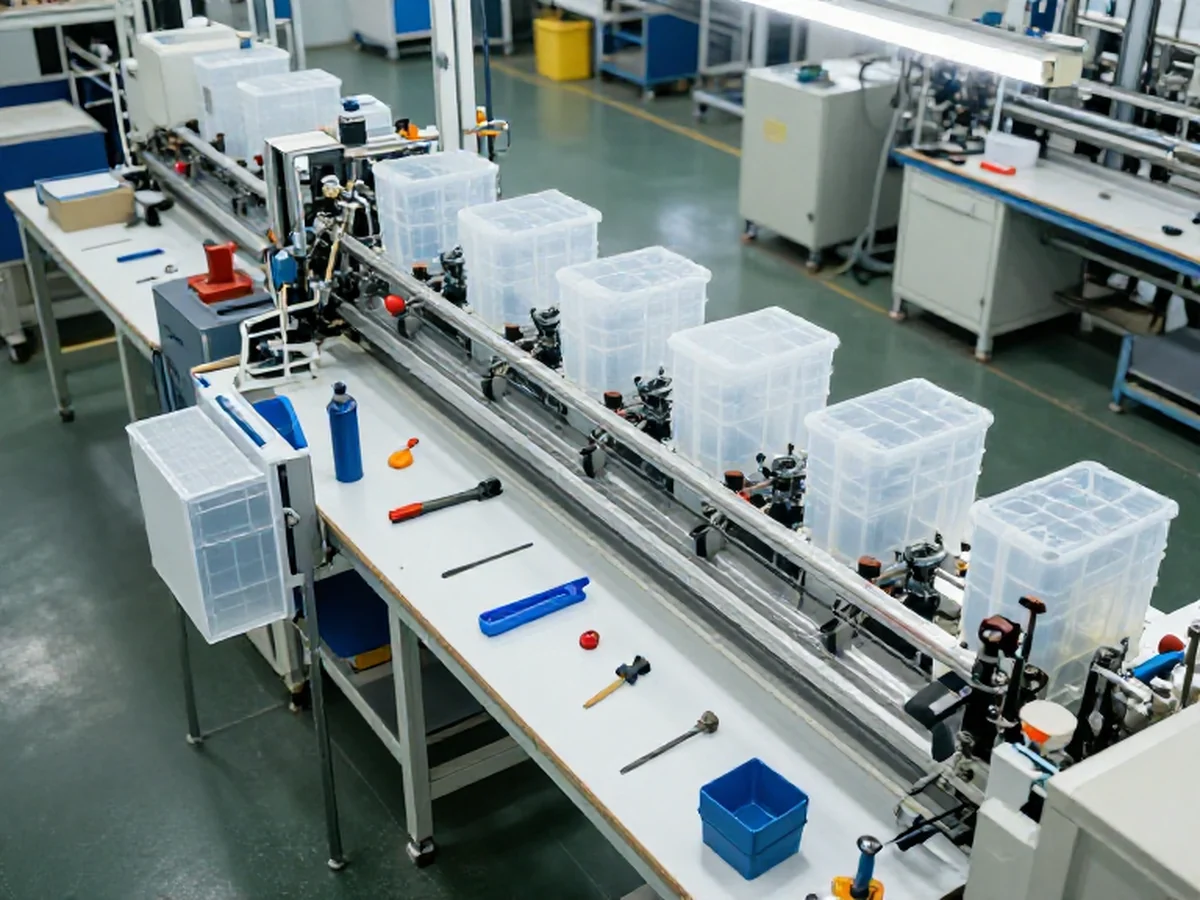
* Monitoring thermal stability for different polymers. * Selecting materials like polypropylene or PVC based on heat requirements. * Managing recycled content percentages in production. * Verifying dimensional accuracy during the molding phase.
How do professionals manage the plastic manufacturing process?
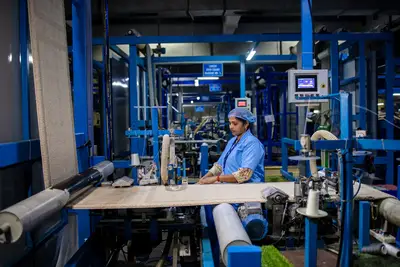
A technician walks through the humid production floor, checking the digital readouts on a massive injection molding machine. The scent of heated resin fills the air as the machine cycles through its programmed movements.
Achieving high plastic product quality requires a deep understanding of how different polymers behave under thermal stress.
For instance, a worker must distinguish between materials like polypropylene, which is stable at temperatures up to 220 °F (104 °C), and PVC, which has poor resistance to high temperatures and will distort at 160 °F (71 °C).
This distinction is vital because PVC is incompatible with hot-filled products.
What are the daily tasks in plastic production? Plastic factory daily routine
An operator adjusts the pressure settings on a control panel while watching a stream of molten plastic enter a steel mold. The rhythmic clacking of the machinery marks the steady progression of the shift.
Daily tasks in plastic production include regular inspections of the raw material feed and the mechanical performance of the molding equipment.
Precision in plastic manufacturing process management ensures that the final dimensions, such as a total finish height of 17 mm with a functional neck height of 13.5 mm, are met consistently.
Making plastic products effectively involves balancing the speed of the cycle with the cooling time required to prevent warping or structural flaws.
How is quality control in molding achieved?
A quality inspector lifts a freshly cooled component from a tray, holding it up to a bright light to check for imperfections. The surface must be smooth and free of any visible bubbles or uneven textures.
Quality control in molding focuses on the physical properties and dimensional accuracy of each part. Professionals must ensure that the plastic does not exhibit signs of stress or chemical contamination.
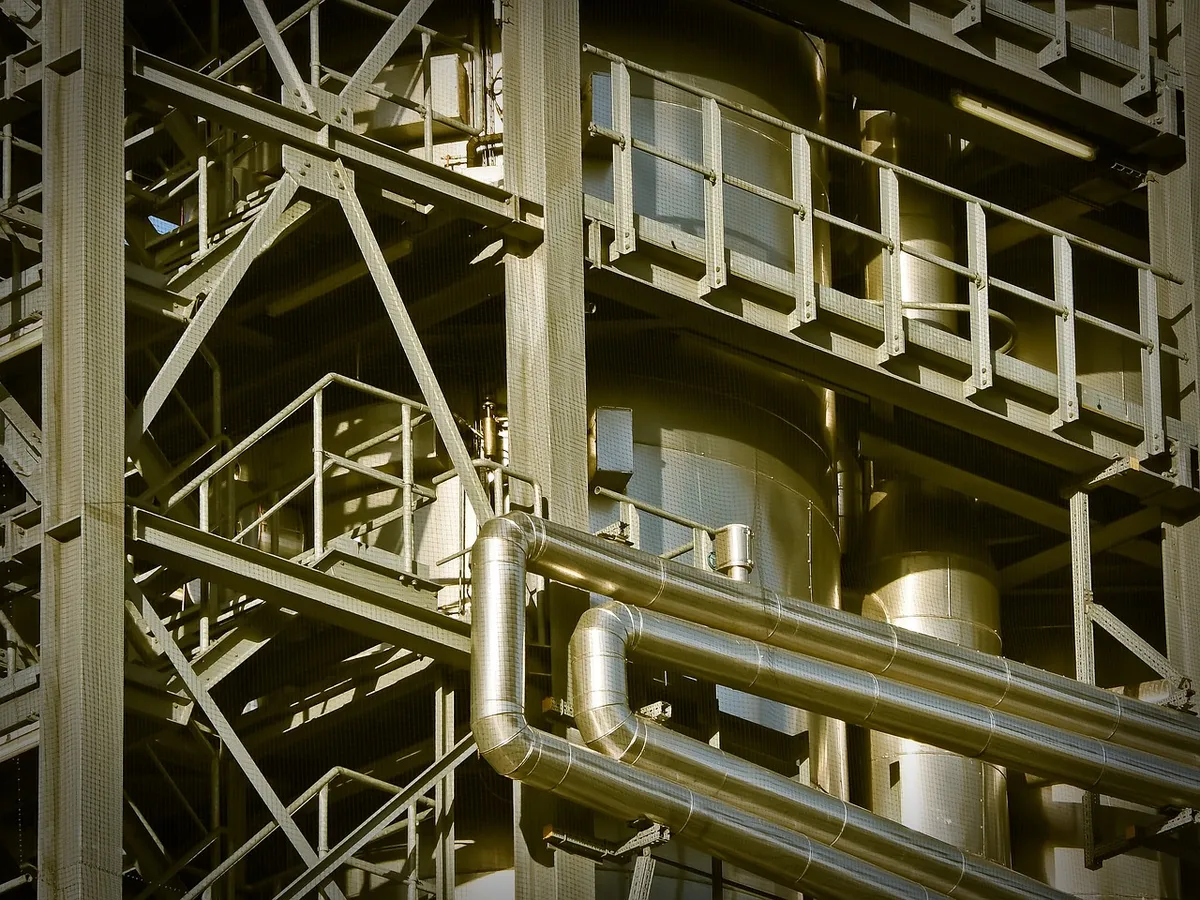
For example, it is important to note that 4% of retrieved plastic particles have been found to have signatures of industrial lubricants coating the polymer. Continuous monitoring of the molding cycle prevents these types of inconsistencies from reaching the final consumer.
What technical judgment in plastic is required for material selection?
A materials engineer reviews a technical datasheet, comparing the melting points of various resins against the requirements of a new product line. The decision made here will dictate the entire production workflow.
Technical judgment in plastic is essential when deciding between virgin resins and post-consumer recycled (PCR) materials. Making decisions about material composition is critical because PCR can be produced in a variety of recycled content percentages up to 100%.
Selecting the right polymer also depends on the primary application, as packaging accounts for about 40% of plastic usage, while building and construction makes up about 20%.
What are the steps for setting up a production run?
A supervisor marks the production schedule on a whiteboard, coordinating the arrival of raw pellets with the availability of the molding machines. Each step must be executed in a specific order to minimize downtime.
To ensure a successful production run, follow these steps:
- Verify that the chosen polymer matches the thermal requirements of the product, such as ensuring polypropylene is used for high-heat applications. 2. Calibrate the molding machine settings, including temperature, pressure, and injection speed, based on the specific resin type. 3. Perform a test mold to check for dimensional accuracy and surface finish before starting the full-scale run.
After completing these steps, conduct a final check by sampling the first batch of finished goods to confirm they meet all technical specifications. I have personally observed how a single degree of temperature deviation can alter the entire batch's stability.
- Prepare the raw material resin.
- Calibrate the injection molding machine settings.
- Load the mold into the press.
- I find that the second step takes the most time.
How does material composition affect the final product?
A technician weighs a sample of recycled pellets, ensuring the blend meets the specific requirements for the current order. The accuracy of this measurement determines the environmental and physical profile of the product.
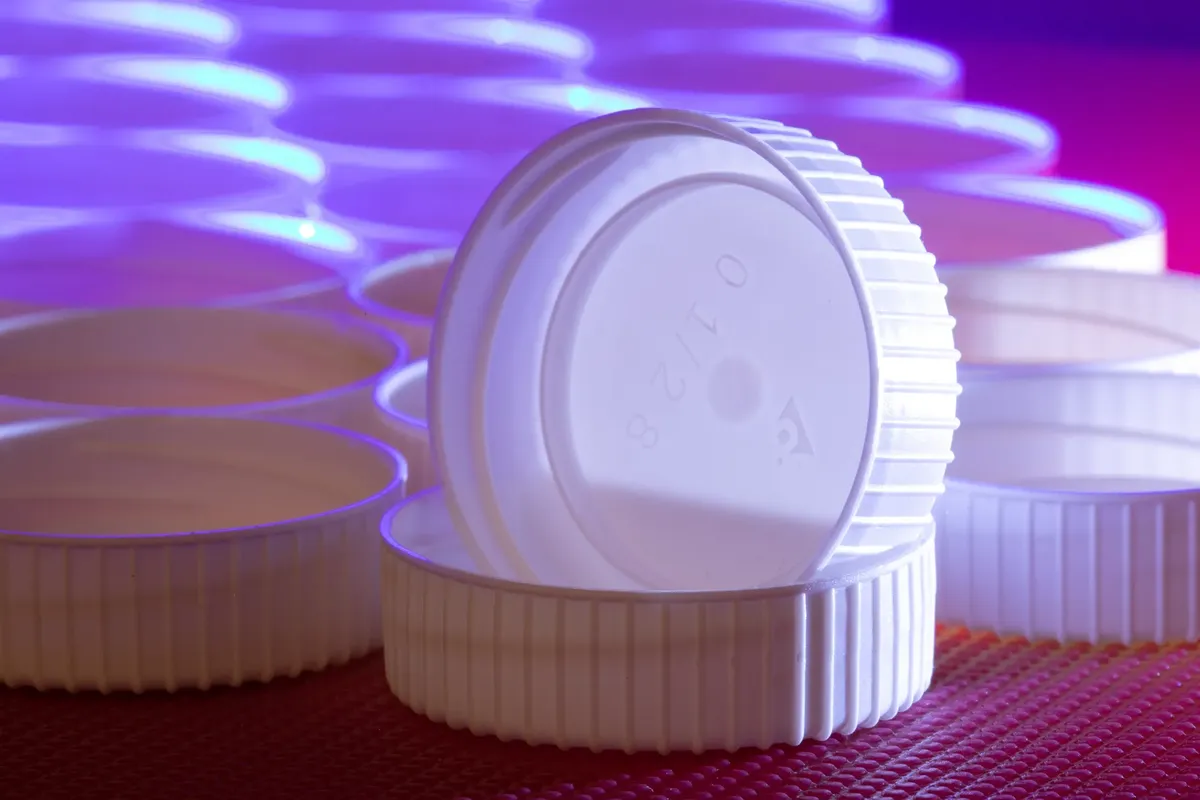
The composition of the plastic significantly impacts its durability and environmental footprint. Using different polymers can change how the product responds to environmental stressors. For example, a comparison of common materials shows the following differences in thermal stability:
| Material | Maximum Stable Temperature |
|---|---|
| Polypropylene | 220 °F (104 °C) |
| PVC | 160 °F (71 °C) |
This comparison highlights why material selection is a foundational part of the daily routine.
The subject here is Plastic factory daily routine.
The same subject is also called Ensuring product stability.
Related





Comments 0