Medical device assembler day: How to ensure device quality
"Precision is not just a goal; it is the fundamental requirement for every component that enters a patient's life."
A medical device assembler day involves the meticulous assembly of high-precision components and the application of technical judgment to ensure every unit meets strict safety standards.
This role requires following rigorous regulatory frameworks and quality control procedures to produce reliable medical technology. This guide covers the daily tasks of precision parts assembly, the technical judgment involved in device making, and the essential steps to ensure device quality daily.
How does a medical device assembler day begin?
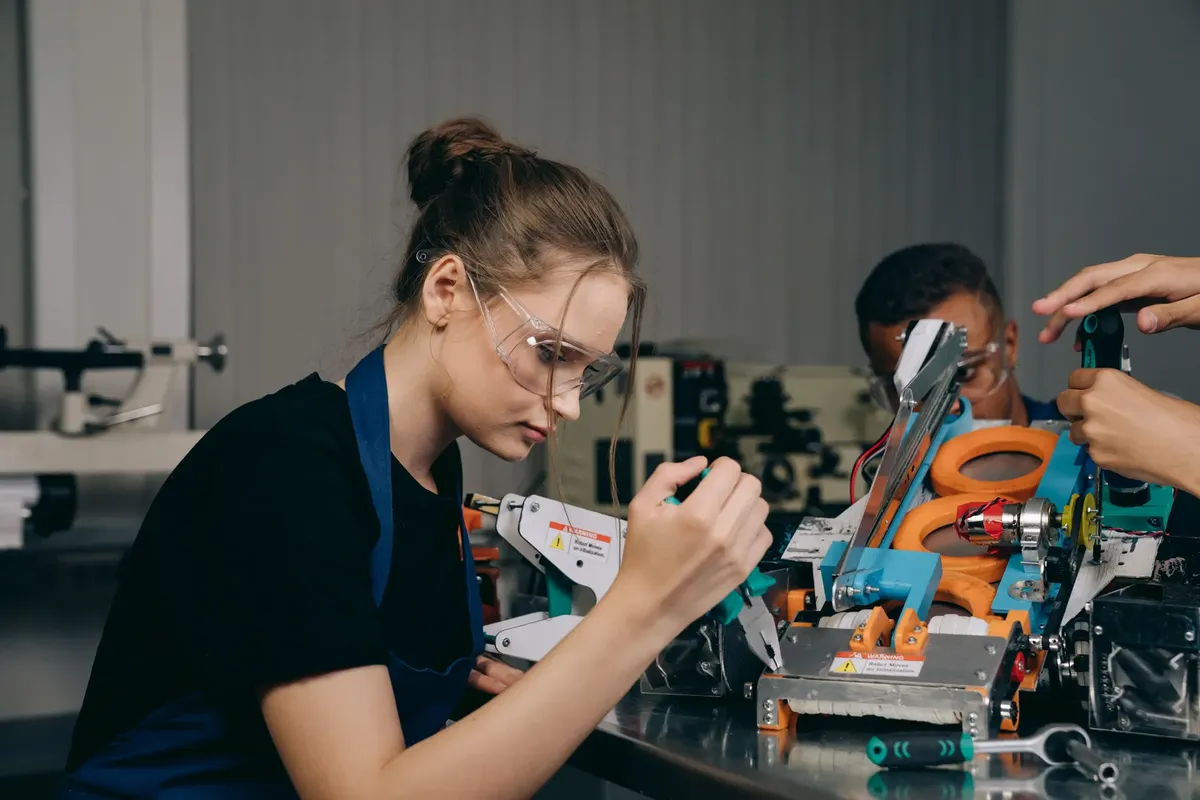
At dawn, I pull on a crisp white gown in the sterile lab, feeling the sudden chill of the air as I prepare for a day of medical assembly.
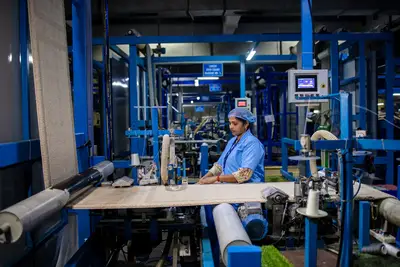
An assembler enters a sterile environment, puts on protective gear, and prepares the workstation for the day. The morning begins with verifying that all incoming components meet the specific technical requirements of the production schedule.
Ensuring the workspace is prepared is the first step in a medical device assembler day. This involves checking that all tools are calibrated and that every individual part is accounted for before the assembly process begins.
A successful shift relies on maintaining a clean environment to prevent any contamination of sensitive components.
According to the FDA, manufacturers must develop comprehensive procedures within their regulatory framework to produce specific devices to approved safety standards. This means the morning routine is not just about organization but about establishing a controlled environment.
Following these established protocols ensures that every component is handled according to the specific needs of the device being built.
However, the morning routine may vary depending on the specific shift schedule.
What exactly do I need to do in precision assembly? An assembler carefully picks up a small component, aligns it with a base, and secures it using specialized tools. This precision parts assembly job requires steady hands and an eye for microscopic detail to ensure perfect fitment.
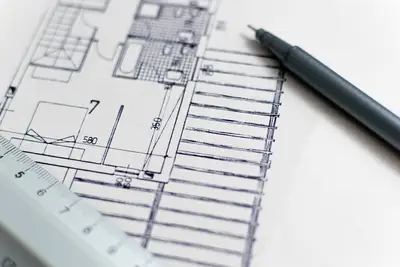
The core of the job involves the physical assembly of intricate parts. Technicians must follow exact blueprints to ensure that every connection is secure and every tolerance is met. This type of work demands constant focus to avoid errors that could compromise the functionality of the device.
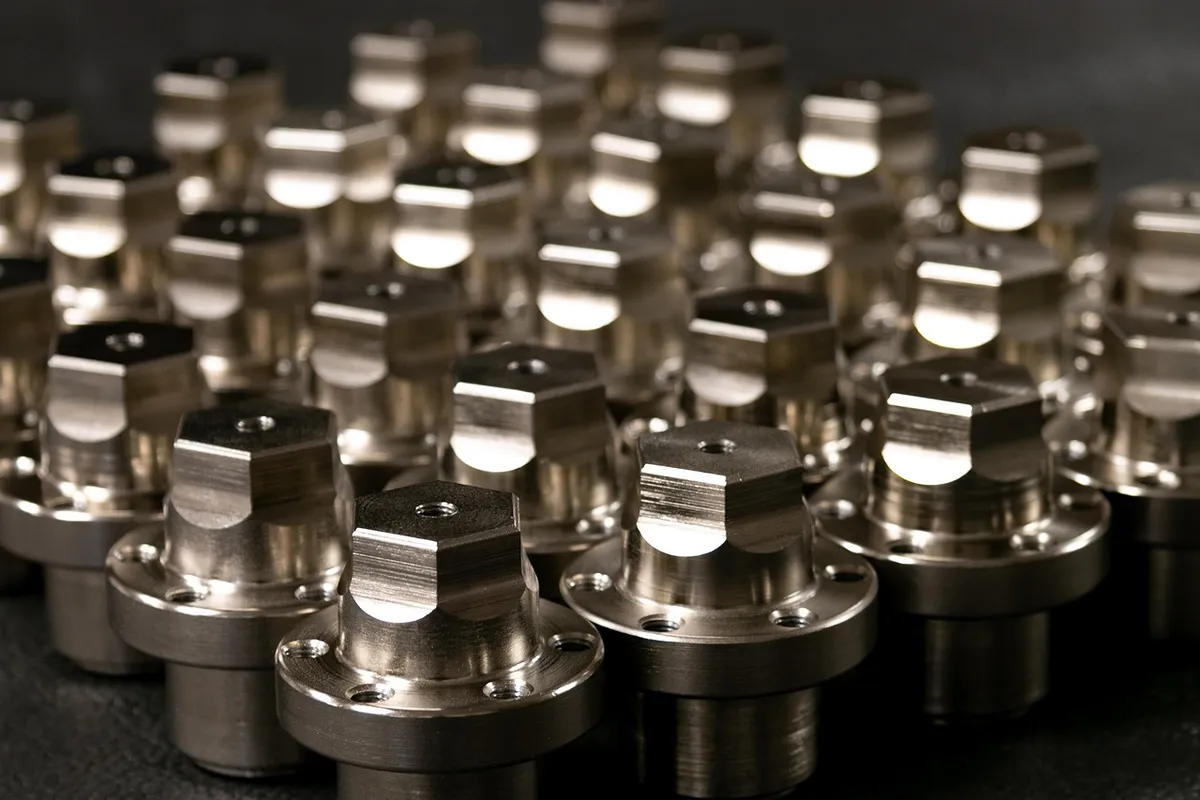
The complexity of the work varies depending on the specific product being manufactured. Some roles focus on small electronic components, while others involve larger mechanical structures.
Regardless of the scale, the goal remains the same: creating a seamless integration of parts that functions reliably under medical conditions.
These tasks require constant attention to detail to maintain accuracy.
How is technical judgment used in device making?
A technician inspects a newly joined component under a microscope, noting a slight deviation in alignment. This technical judgment in device making is critical when a part does not fit perfectly according to the expected specifications.
Judgment is required when a part does not meet the exact parameters of the assembly guide. The assembler must decide whether to adjust the component, seek supervisor guidance, or reject the part entirely to maintain quality.
This decision-making process is vital for preventing defective units from moving further down the production line.
The ability to recognize subtle differences in material or fit is a key skill. It is not enough to simply follow a manual; one must understand the implications of a slight misalignment. This level of awareness ensures that the final product is safe and effective for its intended medical use.
This judgment is not a substitute for strict adherence to established protocols.
How do I ensure my device stays high quality every day? A worker pulls a finished unit from the line and performs a series of standardized checks. The process of ensuring device quality daily follows a rigorous sequence to catch errors before they leave the facility.
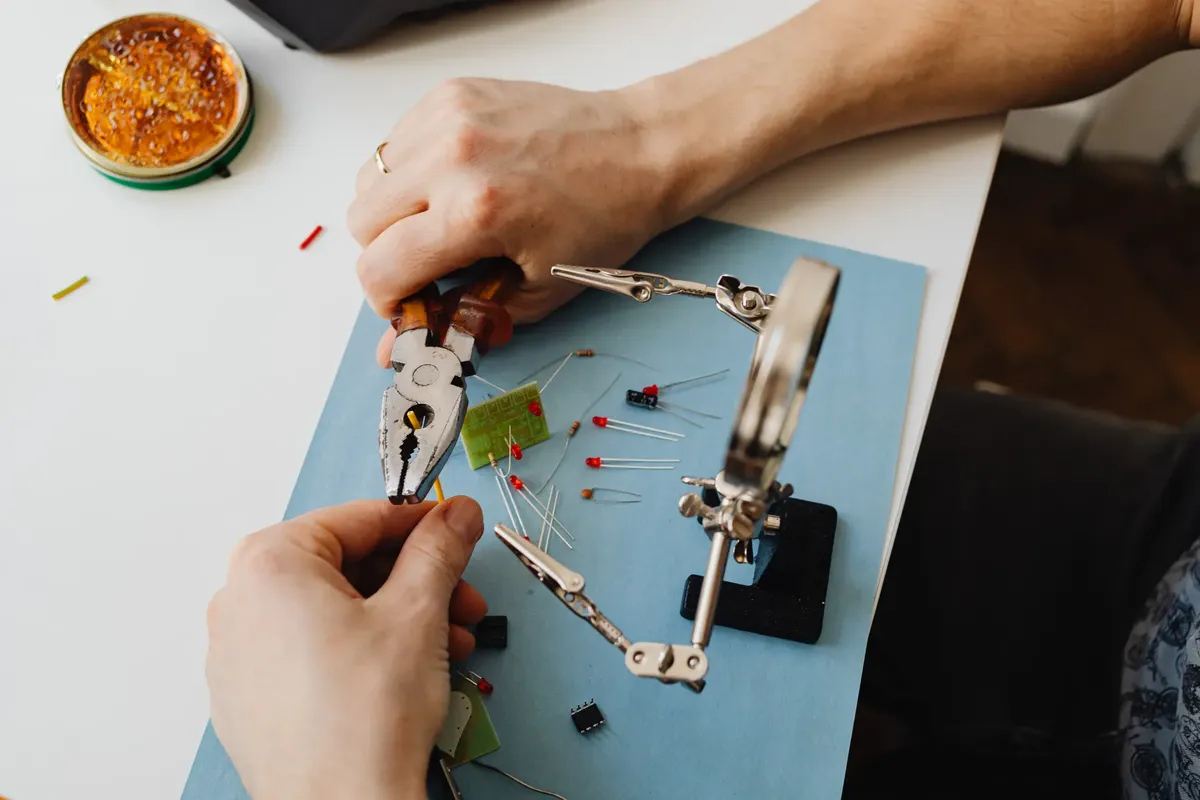
- Verify that all components used in the assembly match the approved design specifications and documentation. 2. Perform the physical assembly using calibrated tools to meet the required tolerances for the specific device. 3. Conduct a final inspection of the completed unit to ensure all connections are secure and the device functions as intended.
I remember once having to pause an entire line because a single fastener felt slightly different under my tweezers. That moment of hesitation saved us from a potential batch failure during the final testing phase. This level of vigilance is what keeps the production process moving safely.
If a component is found to be outside of the acceptable tolerance, the assembly must be halted immediately. The faulty part must be isolated and documented according to the facility's quality management system. This prevents the accidental integration of defective materials into a finished product.
| Task Type | Primary Focus |
|---|---|
| Component Verification | Ensuring part accuracy to design |
| Final Inspection | Confirming total unit functionality |
- Perform initial equipment calibration.
- Conduct visual inspections of components.
- Document all findings in the quality log.
What regulatory standards apply to the assembly process?
An inspector reviews a set of documents to ensure the production line is following international standards. Understanding these rules is essential for anyone working in the medical manufacturing sector.
The regulatory landscape is complex and covers everything from component manufacturing to distribution. For instance, ISO 13485:2016 is applicable to all providers and manufacturers of medical devices, components, contract services, and distributors of medical devices.
Adhering to such standards ensures that the assembly process meets global quality management requirements.

Different devices may fall under different regulatory pathways depending on their risk level and intended use. While the assembly steps might be similar across different products, the documentation and testing requirements can change significantly.
Staying updated on these standards is a continuous part of the professional responsibility.
I find that understanding these standards is essential for compliance.
The same subject is also called Medical device building tasks.
The same subject is also called Tech judgment in device making.
This part also covers Daily routine of medical device worker.
This part also covers How assembly ensures device safety.
This part also covers From design to final device check.
Daily routine of medical device worker
Related




Comments 0