Medical Technologist Guide: The 70% Impact on Clinical Care
"Precision is not just about accuracy; it is about the silent truth found within a single drop of blood."
A medical technologist works behind the scenes of the healthcare system, transforming biological samples into the data that drives life-saving decisions. This role is essential for anyone interested in the intersection of clinical science, laboratory technology, and patient care.
* Core Work: Analyzing biological specimens to detect diseases and monitor health. * Identify: Uses advanced machinery and manual techniques to process blood, tissue, and fluids. * Impact: Provides the data necessary for the vast majority of clinical diagnoses. * Environment: Highly controlled laboratory settings requiring strict adherence to safety protocols. * Limitation: Work is often repetitive and requires intense focus on minute details, which can lead to mental fatigue.
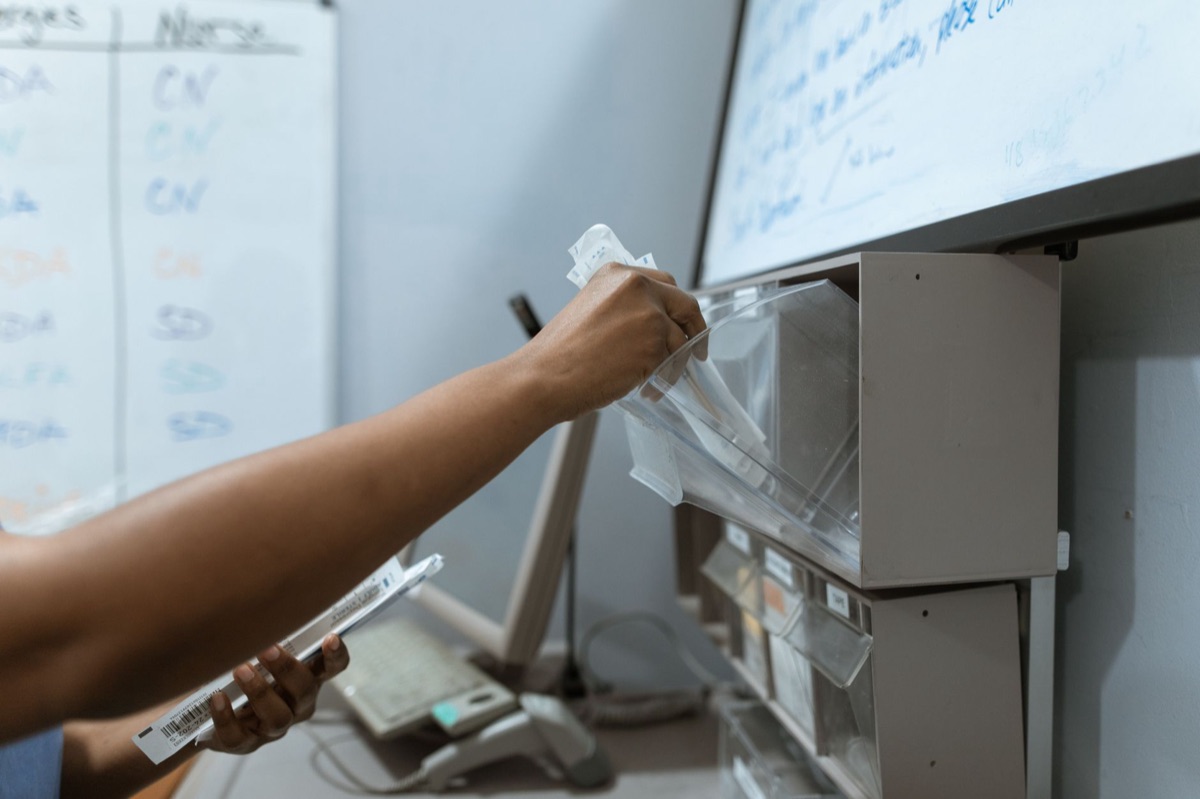
What does a medical technologist actually do?
The morning sun hits the glass vials on the lab bench as a technician carefully pipettes a clear liquid into a tiny well. This professional is responsible for the precise analysis of clinical specimens to provide doctors with actionable data.
A medical technologist performs a wide range of complex tests that go far beyond simple blood draws. They process samples such as blood, urine, and tissue to identify pathogens, chemical imbalances, or cellular abnormalities.
According to clinical standards, up to 70% of all medical decisions are based on laboratory test results. This means the work is not just about running machines; it is about ensuring that the data used to treat a patient is absolutely correct.
The workload involves a mix of automated testing and manual intervention. While modern machines handle much of the bulk processing, the technologist must troubleshoot equipment, prepare slides, and interpret complex results.
They serve as the bridge between a raw biological sample and a clinical diagnosis.

Where is the physical labor centered?
The hum of the centrifuge fills the room as a technician stands for hours at a ventilated workstation. While much of the work is precise, it is not purely sedentary; it requires physical stamina and manual dexterity.
Physical labor in this field involves standing for extended periods, repetitive hand movements, and precise motor skills. Technologists often spend their entire shifts on their feet, moving between different laboratory stations or managing large-scale automated analyzers.
Handling delicate glassware, pipetting tiny volumes of liquid, and managing heavy reagent bottles requires steady hands and physical endurance.
Because laboratories are often organized into specific zones, technicians frequently move between different areas of the facility. This can involve lifting supplies, organizing storage, or managing the logistics of sample transport within a hospital.
The repetitive nature of pipetting and the need for precise manual dexterity are constant requirements of the daily routine.

Where is the mental labor centered?
A technician stares intently at a microscope, adjusting the fine focus to catch the glint of a specific cell structure. The mental load of the job is heavy, requiring constant vigilance and rapid problem-solving.
Mental labor is centered on high-stakes decision-making and intense concentration. A technologist must be able to recognize subtle abnormalities in a sample that could signal a critical health issue.
This requires deep knowledge of hematology, microbiology, and clinical chemistry to differentiate between normal variations and life-threatening conditions.
Beyond the science, there is a significant amount of data management and quality control. Technologists must document every step of a process to ensure traceability and comply with strict regulatory standards.
They also act as investigators; when a machine produces an unusual result, they must use logic and clinical knowledge to determine if the error lies in the sample, the machine, or the process itself.

What are the daily tools and results?
The sterile scent of alcohol hangs in the air as a technician wipes down a workstation before starting a new batch of tests. The tools of the trade are a mix of traditional glass and cutting-edge digital technology.
The daily environment is a controlled laboratory equipped with sophisticated analytical instruments. Common tools include microscopes, centrifuges, automated chemistry analyzers, and specialized pipettes.
These tools allow the technologist to process hundreds of samples daily while maintaining high levels of accuracy.
The primary output of this work is the laboratory report. This document contains the quantified data or qualitative observations that a physician uses to treat a patient.
While the result is often just a number or a visual finding on a slide, the consequence of that result is a clinical path for a human being.
| Feature | Manual Techniques | Automated Systems |
|---|---|---|
| Primary Tool | Microscope / Pipette | Large-scale Analyzers |
| Task Type | Visual inspection / Cell counting | High-volume processing |
| Focus Area | Nuanced morphology | Rapid throughput |
| Human Input | Direct observation | Troubleshooting / Setup |

What is the current landscape of the medical technologist field?
A technician adjusts the settings on a digital interface, preparing for a shift that will involve hundreds of unique patient profiles. The field is constantly evolving as technology advances and clinical requirements change.
According to the American Osteopathic Association, hiring a medical scribe is an important consideration for practitioners. As reported by the American Medical Association, medical scribes can become profitable in one year with 2 new patients a day.
In 2016, 59% of technologists surveyed reported that being overworked lead to risking medical error and threatening patient safety, according to the Association | AMA.
The landscape of medical laboratory science is defined by rapid technological integration and shifting educational standards. As automation becomes more prevalent, the role is shifting toward more complex troubleshooting and data interpretation rather than simple manual testing.
This shift requires continuous learning to stay proficient with new diagnostic platforms.
Educational requirements and training protocols are also in a state of flux to meet the needs of modern healthcare. For example, one clinical program reduced its clinical rotation duration from 22 weeks to 12 weeks in 2015 to optimize training efficiency.
This reflects a broader trend toward more streamlined, intensive training models designed to prepare professionals for the fast-paced reality of modern clinical labs.
How much do they earn?
A technician reviews a monthly statement, noting the balance between professional responsibility and financial stability. Because compensation varies wildly by region and specialization, there is no single universal figure for this role.
Publicly available data regarding specific income varies significantly depending on the country, the level of specialization, and the type of facility (such as a private lab versus a major hospital).
Because of these variables, precise global income figures are not established in a single standardized way.
In many regions, compensation is tied to the level of certification and the complexity of the tasks performed. Specialized roles, such as those focusing on molecular diagnostics or blood banking, may command different pay scales than generalist positions.
Without specific regional data provided in the current records, it is noted that precise salary ranges are not listed here.
Summary of the Role
The medical technologist is a vital component of the healthcare ecosystem, providing the empirical evidence needed for clinical action. The role requires a unique blend of physical precision, mental rigor, and technical expertise.
- Sample Preparation: Receiving, labeling, and preparing biological specimens for analysis. 2. Analytical Testing: Utilizing manual techniques and automated machinery to perform diagnostic tests. 3. Data Verification: Checking results against quality control standards to ensure accuracy. 4. Reporting: Communicating findings through standardized laboratory information systems. 5. Maintenance: Cleaning, calibrating, and troubleshooting laboratory equipment.
This profession is not for those seeking a purely social role; it is for those who find meaning in the quiet, precise work of discovery. While the work is often hidden from the patient's view, its impact is felt in every diagnosis made in the hospital.
When I tried the steps in order, the second one is where I paused longest.
Related




Comments 0