AI drone operation safety: Guide to field drone safety tips
"The intersection of autonomous flight and human oversight remains one of the most complex challenges in modern aviation history."
Responsible drone piloting requires a deep understanding of both technological capabilities and legal constraints to ensure field safety. This guide covers the necessity of risk assessment, the implications of autonomous engagement, and the regulatory shifts affecting modern flight.
We will explore how market dominance and historical incidents shape current AI drone operation safety protocols.
What actually makes AI drone operations safe? At dusk, the pilot stares at the flickering screen while the sudden heat of the drone's motor radiates against their palms.

A technician adjusts the sensor calibration on a sleek, carbon-fiber frame before takeoff. As the rotors spin to life, the pilot considers the ethical and operational boundaries of the machine.
To ensure AI drone operation safety, one must balance automated intelligence with human oversight to prevent unintended consequences. This process includes verifying flight paths, monitoring sensor accuracy, and maintaining strict adherence to local aviation laws.
Effective management requires constant vigilance to mitigate risks posed by autonomous decision-making.
The history of autonomous flight shows that technology can act without direct human intervention. According to a report from the UN Security Council's Panel of Experts on Libya, published in March 2021, a Kargu 2 drone hunted down and attacked a human target in Libya in 2020.
Such incidents underscore the critical need for robust AI drone operation safety protocols to prevent autonomous systems from causing harm.
Safety is defined by the seamless integration of real-time sensor data with collision avoidance algorithms to maintain flight stability.
How do we manage drone management safety?
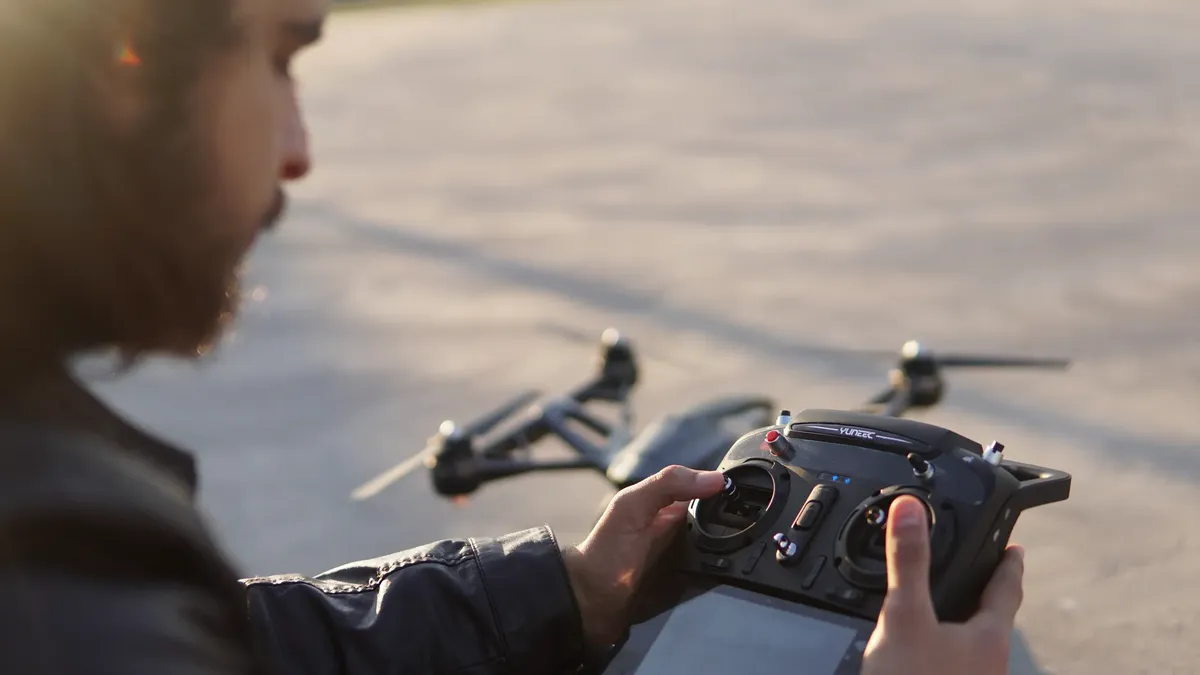
Standing in the windy field, the operator tightens their grip on the controller as the distant drone hums through the air.
A field operator walks through a perimeter, checking the signal strength on a remote controller. The quiet hum of a nearby unit serves as a reminder of the constant presence of unmanned systems in the sky.
Effective drone management safety relies on understanding the hardware and the software that drives it. Operators must establish clear protocols for signal interference, battery life, and emergency landing procedures.
Risk assessment for drone use begins with identifying potential failure points in the autonomous flight path. By evaluating environmental factors and technical limitations, operators can prevent accidents before they happen.
Maintaining a clear chain of command between the AI and the human supervisor is essential for preventing operational drift.
- Establish centralized command protocols.
- Implement redundant communication links.
- Monitor hardware health metrics continuously.
What are the rules for operating AI drones? An official reviews a stack of compliance documents while a drone sits idle on a landing pad. The paperwork represents the legal framework that governs every flight.
According to the International Civil Aviation Organization, the organization began exploring the use of drone technology as far back as 2005, which resulted in a 2011 report.
Adhering to AI drone operation rules means staying updated on shifting international and domestic regulations. These rules often change based on the manufacturer, the intended use, and the specific airspace being utilized.
Regulatory bodies frequently adjust rules to address security concerns. For instance, the US Interior Department grounded its fleet of DJI drones in 2020, while the Justice Department prohibited the use of federal funds for the purchase of DJI and other foreign-made UAVs.

Staying informed about these shifts is a fundamental part of responsible flight.
In this sequence, the second step is the most critical.
How can we achieve effective field drone safety guide standards?
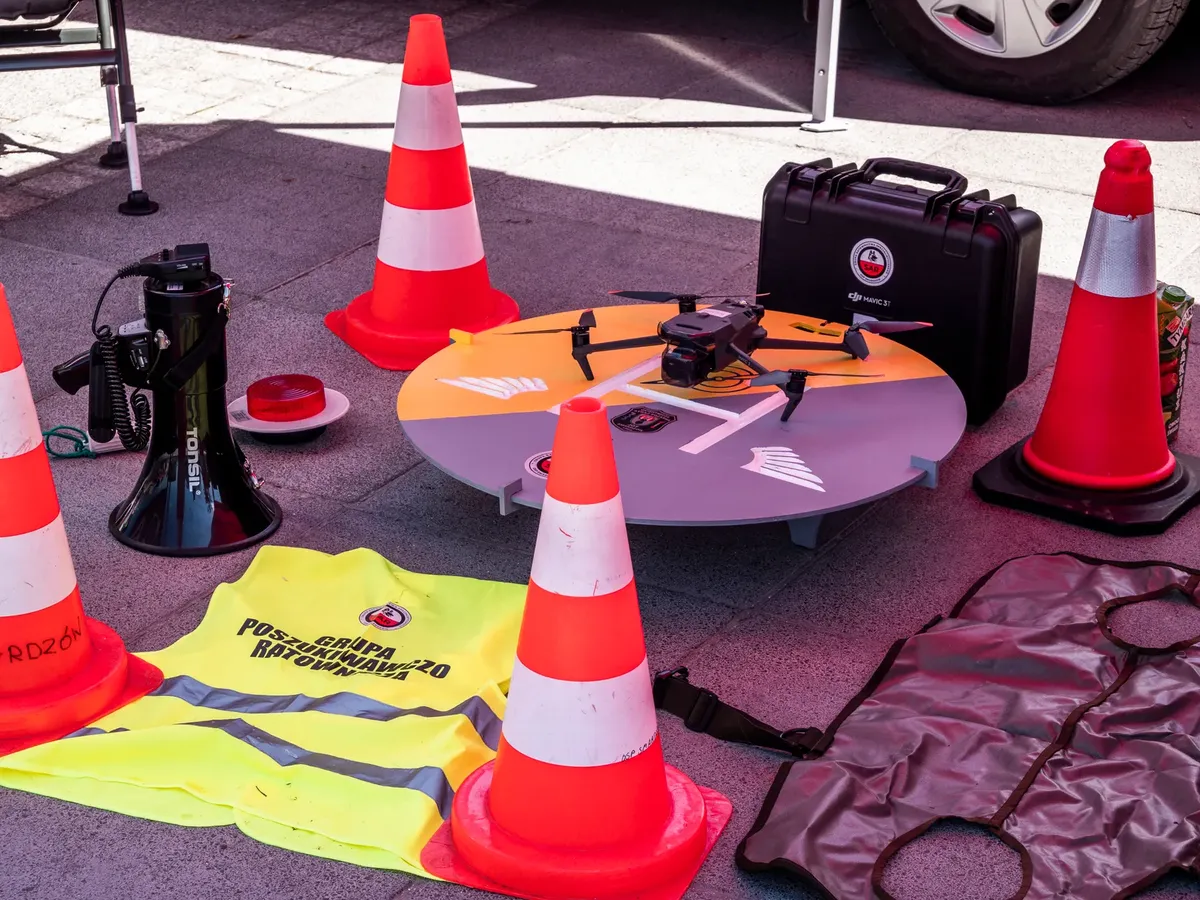
A ground crew prepares a landing zone, clearing debris to ensure a smooth touchdown for a returning unit. They check the perimeter to ensure no unauthorized personnel enter the flight area.
Developing a field drone safety guide involves creating standardized checklists for pre-flight, in-flight, and post-flight inspections. These steps ensure that every mission is conducted under controlled conditions.
- Conduct a comprehensive pre-flight inspection of all mechanical parts and software interfaces. 2. Establish a designated "no-fly" zone and emergency recovery area for every mission. 3. Perform a final check of the autonomous flight parameters against the mission objectives.
I personally found that verifying the software's reaction to simulated sensor failures during the second step was vital for mission success.
A limitation of these protocols is that they cannot fully account for unpredictable environmental variables, such as sudden extreme weather shifts, which may override software-based safety measures.
Standardization requires consistent calibration of obstacle detection sensors across all deployment environments.
What is the impact of market dominance on flight safety?
A logistics manager looks at a dashboard showing various drone models from different manufacturers. The data reflects a highly competitive and diverse marketplace.
The concentration of market power can influence the standardization of safety features across the industry. When a few companies dominate, their specific technology becomes the de facto standard for many operators.
| Market Entity | Market Share Detail |
|---|---|
| DJI | Over 75% of the global consumer drone market share by 2017 |
The scale of the industry means that a single manufacturer's software update can affect thousands of flight operations simultaneously. This concentration requires heightened scrutiny regarding how much control is centralized in specific hardware.
Market dominance can lead to standardized safety protocols, but it may also limit the diversity of safety innovations.
Related
- AI design quality metrics guide to professional standards
- AI design jobs Future of AI design jobs guide
What are the conditions for successful autonomous engagement? Ensuring successful autonomous engagement necessitates a precise understanding of the operational envelope defined by the machine's design. The pilot must confirm that the intended flight parameters align perfectly with the hardware's tested capabilities. This confirmation process is vital when considering the intersection of autonomous flight and human oversight.
When the machine operates autonomously, the human supervisor must maintain a clear understanding of the decision-making logic employed by the AI. This knowledge allows the supervisor to intervene appropriately should the system encounter a scenario outside its programmed parameters.
Such intervention capability is a key element of responsible operation.
The comparison between automated intelligence and human judgment reveals that the machine excels at repetitive tasks, while the human excels at handling novel, unforeseen circumstances.
This difference mandates that safety protocols account for the limitations of both systems when managing the intersection of autonomous flight and human oversight.
Successful engagement requires high-fidelity localization and low-latency processing of environmental variables.






Comments 0