AI design quality metrics guide to professional standards
"Design is not just about the final image; it is about the underlying structure and the standards that ensure usability and consistency across different platforms."
Developing a robust AI design quality metric requires a balance between creative vision and technical precision. This guide explores how to establish clear AI design standards, how to measure AI design accuracy, and the essential steps for maintaining consistency.
Developing these frameworks helps teams navigate the transition from manual creation to automated generation while maintaining professional quality.
What defines professional AI design standards?
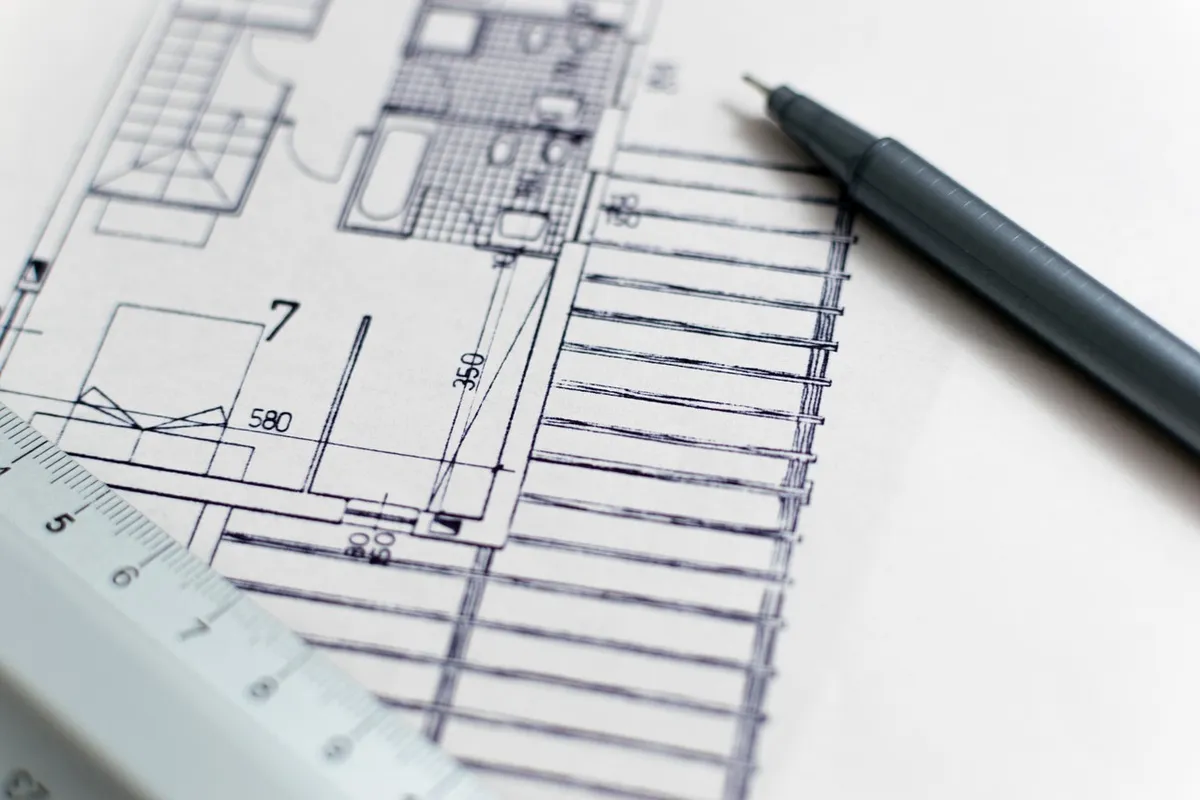
A designer sits at a terminal, adjusting the parameters of a generative model to align with a specific brand identity. Establishing an AI design standards framework ensures that every output meets a predictable level of quality and stylistic harmony.
According to the Bureau of Labor Statistics, the median salary for graphic designers is $58,900 as of May 2023.
A reliable AI design standards framework serves as the foundation for all automated creative work. It defines the parameters for color theory, typography, and spatial composition within the AI's prompt engineering or training sets.
Without these baseline rules, the output remains unpredictable and difficult to integrate into larger projects.
The goal is to move away from random generation toward controlled, purposeful creation. By setting these rules early, teams can ensure that AI-generated elements remain compatible with human-led design requirements.
Professional standards must balance technical feasibility with human-centric usability to ensure reliability across diverse user interactions.
How can we implement an AI design quality check?
Late at night in the studio, he squinted at the screen while performing a rigorous design quality check on the generated layouts.
An artist reviews a series of generated layouts, looking for subtle errors in symmetry and lighting. To maintain control, a team must implement an AI design quality check to catch hallucinations or structural inconsistencies.
Implementing a check involves several layers of verification to ensure the AI adheres to the intended design logic. This process bridges the gap between raw computational power and aesthetic sensibility.

- Define the specific visual constraints and brand guidelines that the AI must follow. 2. Run a set of standardized test prompts to check for consistency in style and color. 3. Perform a final human review to ensure the output meets the specific needs of the project.
I once spent an afternoon comparing dozens of generated textures to see if they met our specific project requirements. This manual review was necessary to ensure the AI-generated assets didn't deviate from our established visual identity.
- Define clear success metrics for model outputs.
- Conduct usability testing with edge-case scenarios.
- Establish a feedback loop for iterative refinement.
How to improve AI design quality in a workflow?
Late at night in the quiet studio, he squints at the glowing screen to implement a more rigorous design quality check.
A creative director points to a screen where an AI-generated logo is being refined through iterative prompting. Improving AI design quality requires a continuous loop of feedback and refinement to reach professional standards.
An ISO/IEC working group has researched and documented some of the variations of the recycling logo in use during 2001 and has made recommendations for adding some more of them to the Unicode standard, according to ISO.
Effective workflows integrate human intuition with machine speed to refine outputs. This iterative process is essential for achieving high-fidelity results that are ready for production.
The process of improving AI design quality often involves fine-tuning models or using specific "control nets" to guide the generation. By treating the AI as a tool rather than a replacement, designers can guide the technology toward more sophisticated results.

The focus remains on the interaction between human intent and machine execution. A successful workflow ensures that the AI-generated elements are not just visually interesting but also functionally sound.
In this sequence, the second step is the most time-consuming.
What are the core components of an AI design criteria framework?
A technician adjusts the data input to ensure the model understands the nuances of a particular artistic style. Building an AI design criteria framework allows teams to evaluate different models against a unified set of expectations.
An AI design criteria framework provides the metrics used to judge whether a generated asset is successful. It quantifies subjective elements like balance, contrast, and emotional resonance.
| Metric Category | Focus Area | Purpose |
|---|---|---|
| Structural Integrity | Geometry and proportions | Ensuring the object is physically plausible |
| Aesthetic Consistency | Style and color harmony | Maintaining a unified look across assets |
Using such a framework allows for an objective comparison between different AI models or different prompt variations. It transforms the vague concept of "good design" into a measurable set of criteria.
A robust framework integrates data integrity, interface transparency, and error handling protocols.
How to evaluate AI design systems?
A developer looks at a dashboard showing the performance of an automated asset generation pipeline. Evaluating AI design systems involves testing how well the model handles diverse tasks while maintaining a cohesive identity.
Evaluating AI design systems requires looking beyond individual images to the way the entire system behaves. This includes testing for edge cases, such as how the AI handles complex layouts or unusual aspect ratios.
A robust system should be able to scale without losing its core stylistic characteristics. This scalability is a key indicator of a well-designed AI system.
The evaluation process must also account for the diversity of outputs. A system that only produces one type of image may be limited in its practical application within a professional environment.
Evaluation requires testing both the accuracy of the underlying model and the intuitiveness of the user interface.
Related
- AI design jobs Future of AI design jobs guide
- Software engineering job definition: How to manage lifecycle
What challenges arise when applying Design standards to evolving AI models? When AI models update, the established Design standards must undergo revalidation because new algorithms can alter output characteristics. A designer must re-test the existing framework to confirm the new model adheres to the original stylistic harmony. This re-testing ensures that the transition to a newer version does not compromise the predictable level of quality previously achieved.
Maintaining consistency becomes more complex when the underlying model changes its interpretation of prompt engineering. The rules defined for color theory or spatial composition might be interpreted differently by the updated AI, requiring adjustments to the baseline rules.
This necessitates a continuous cycle of comparison against the initial quality metrics.
- Re-run the standardized test prompts against the updated model to identify shifts in output behavior. This step directly compares the new generation against the established criteria. The goal remains ensuring the final image aligns with the brand identity despite technological shifts.
How does human oversight impact the final Design output? Human oversight provides the necessary aesthetic sensibility that raw computational power lacks. The final human review acts as the ultimate gatekeeper, ensuring the output meets the specific needs of the project beyond mere technical correctness. This review catches subtle errors that automated checks might overlook.
Iterative prompting, guided by a creative director, demonstrates how human intuition refines machine execution. This interaction ensures that the AI-generated elements are not merely interesting but possess functional soundness for the final application.
The designer guides the technology toward sophisticated results through this close collaboration.
Maintaining consistency becomes difficult as model behaviors change and unpredictable outputs emerge during updates.







Comments 0