Medical technician career change: Tips for specialized roles
"The precision of a single test can dictate the course of a patient's life, turning data into a lifeline."
The medical technician career change involves shifting from generalist roles to highly specialized technical domains. Professionals in this field transition into roles focusing on diagnostic accuracy, laboratory management, or emergency specialized care.
Key takeaways include the high impact of laboratory data on clinical decisions, the diverse employment sectors ranging from government to manufacturing, and the specialized credentials required for advanced practice.
How do roles in the medical technician career change?
A technician adjusts their focus from general support to specific diagnostic or emergency expertise. In the field, a professional might move from a general lab role to a specialized position in hematology or microbiology.

The medical technician career change often involves moving toward niche expertise to meet growing diagnostic needs. For instance, a professional might transition from general laboratory work to specialized areas like blood banking or chemistry.
This shift requires acquiring specific credentials, such as those offered by the American Society for Clinical Pathology (ASCP), including "SBB" for blood banking or "SM" for microbiology.
The transition is driven by the need for specialized knowledge in an increasingly data-driven environment. Professionals often seek advanced degrees, such as a Master of Science or a Doctor of medical laboratory science, to move into education and management roles.
This evolution ensures that the workforce can handle complex diagnostic tasks.
Career progression often moves from generalist tasks to highly specialized technical oversight. As professionals gain experience, they frequently transition from routine sample processing to managing complex diagnostic equipment and supervising junior staff.
What are the evolving medical roles in modern healthcare?
Technicians move into roles that require high-level analytical skills to support physician decisions. A specialist might spend a day calibrating sensitive equipment before analyzing a critical patient sample.
As technology advances, evolving medical roles demand greater technical proficiency. Some estimates suggest that up to 70% of medical decisions are based on laboratory test results, making the accuracy of these roles vital.
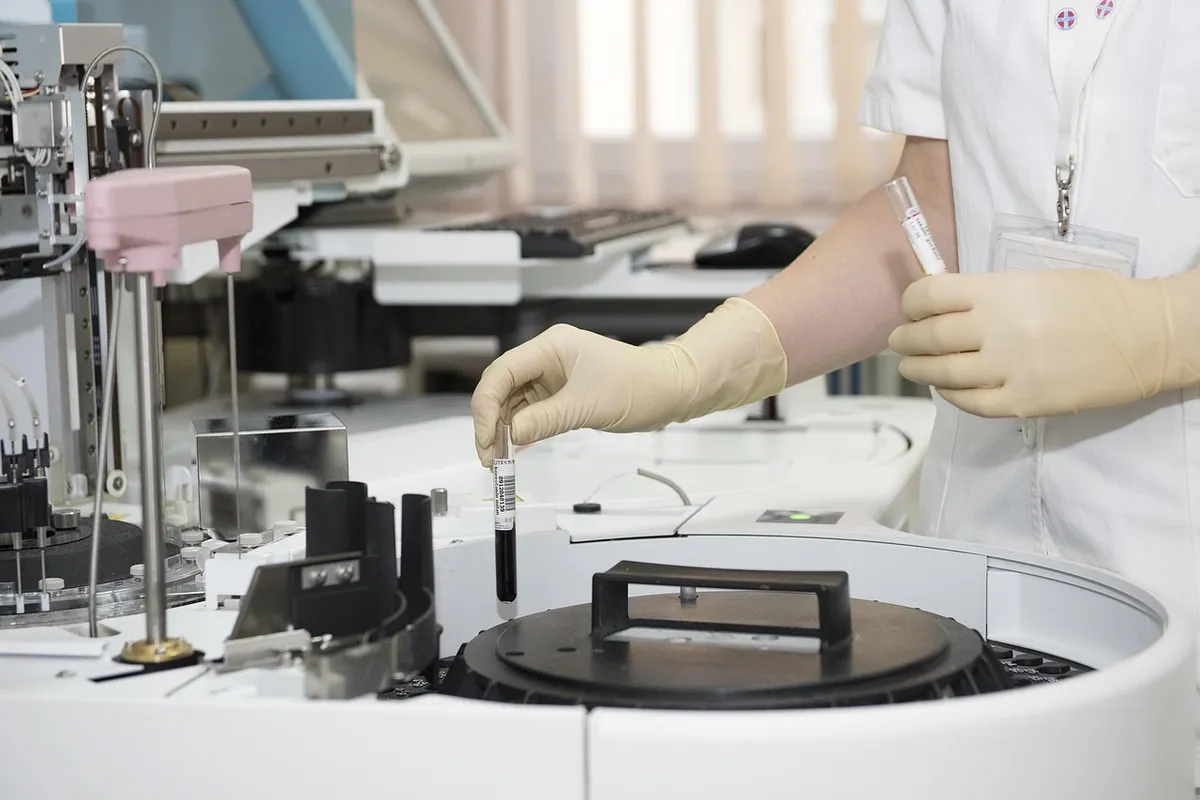
This technical depth means that a technician's work directly influences the direction of patient care.
In certain regions, the workforce structure provides a unique backdrop for these roles. For example, although the laboratory workforce comprises approximately 5% of the healthcare workforce in the UK, their work underpins 80% of all diagnoses and clinical decisions.
This high ratio of influence to personnel highlights the critical nature of specialized technical roles.
New roles are emerging at the intersection of clinical practice and data science. Technicians are increasingly responsible for managing automated diagnostic systems and interpreting digital health data, moving beyond manual laboratory tasks.
How does the healthcare tech shift affect job opportunities?
The shift toward automation and specialized testing creates new career paths in various sectors. A professional might move from a hospital setting to a government regulatory agency.
A healthcare tech shift expands the job market beyond traditional hospital walls. Many medical laboratory scientists are employed in government positions such as the FDA, USDA, non-medical industrial laboratories, and manufacturing.
This variety allows professionals to apply their skills in public health, quality control, or industrial research.
The diversity of the field means that technical skills are transferable across different environments. Some professionals may choose to work in research-heavy environments, while others focus on clinical diagnostic settings. This flexibility is a hallmark of the modern technical landscape.

Technological advancements create a demand for specialists who can operate and maintain sophisticated machinery. This shift expands the job market into niche areas such as molecular diagnostics, genomics, and digital imaging.
What are the skills for med tech growth in a changing field?
Growth in this field requires constant learning and the acquisition of advanced certifications. A student might spend weeks studying complex biochemical pathways to prepare for a certification exam.
Mastering specific technical skills is essential for those looking at skills for med tech growth. Professionals often pursue specialized credentials like "SC" for chemistry or "SH" for hematology to validate their expertise.
These certifications allow individuals to work in highly specialized departments.
The ability to manage complex data and equipment is also a growing necessity. As diagnostic tools become more sophisticated, the capacity to interpret results and manage laboratory systems becomes a primary career driver.
This continuous learning cycle keeps the workforce aligned with medical advancements.
Growth requires a blend of technical proficiency and digital literacy. Professionals must master new software interfaces, understand data integrity protocols, and maintain the ability to troubleshoot advanced diagnostic hardware.
What does the future of med tech look like for professionals?
The future involves more specialized roles and an increasing integration of data science into clinical work. A technician might work alongside an automated system that processes hundreds of samples daily.
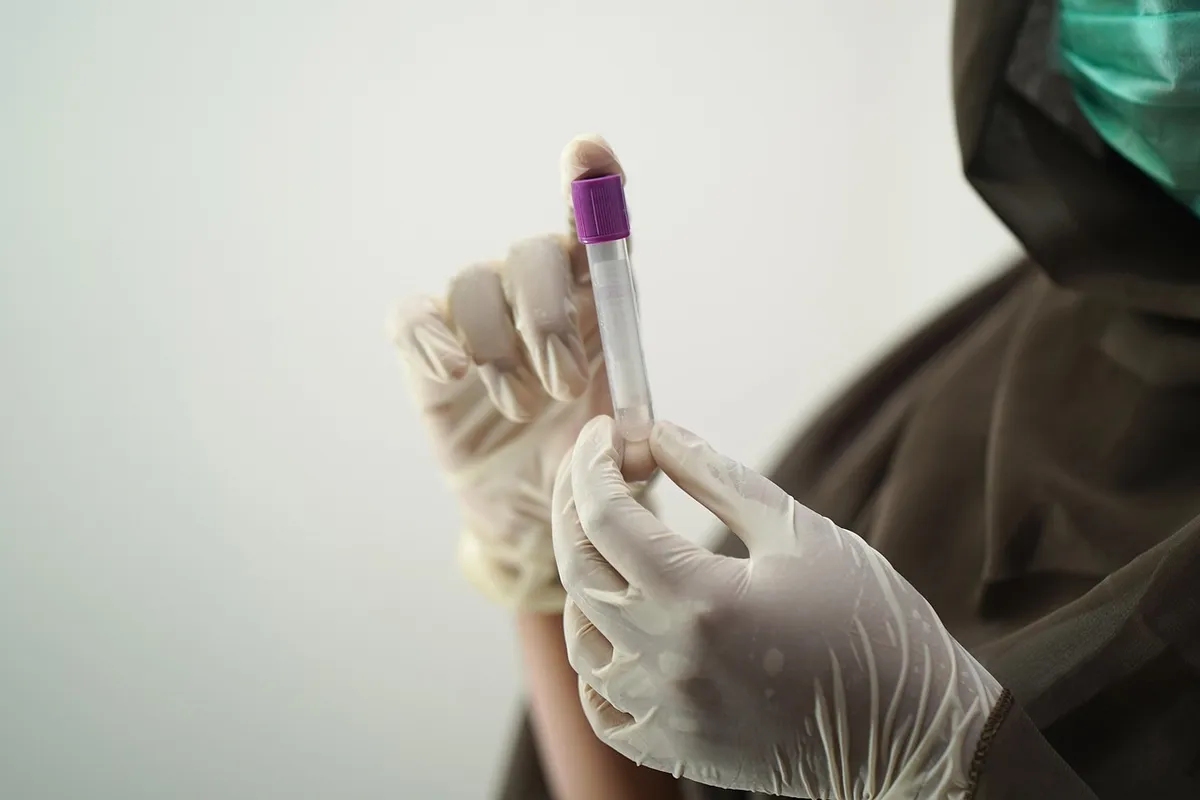
The future of med tech is characterized by increasing specialization and higher demand for accuracy. For the decade 2010–2020, workforce needs were expected to grow by 13%, indicating a steady expansion of the field. This growth supports the increasing complexity of modern medicine.
Advancement often follows a path of academic and professional progression. Professionals may move from a two-year degree to advanced roles involving management or specialized clinical work. This trajectory ensures that the healthcare system remains supported by competent technical experts.
The future points toward a more integrated digital environment where technicians act as vital links between biological data and clinical decision-making. Automation will handle repetitive tasks, allowing professionals to focus on high-level analytical work.
How to manage a transition into specialized laboratory work?
Transitioning into a specialist role requires a structured approach to education and certification. A professional might spend several months completing a clinical rotation at a local hospital.
To successfully navigate a transition, follow these steps:
- Identify a specialized area of interest, such as microbiology or hematology, and research the necessary credentials. 2. Complete the required educational programs, which may include a Bachelor of Medical Laboratory Science or specialized master's degrees. 3. Obtain professional certification through recognized bodies to validate technical expertise.
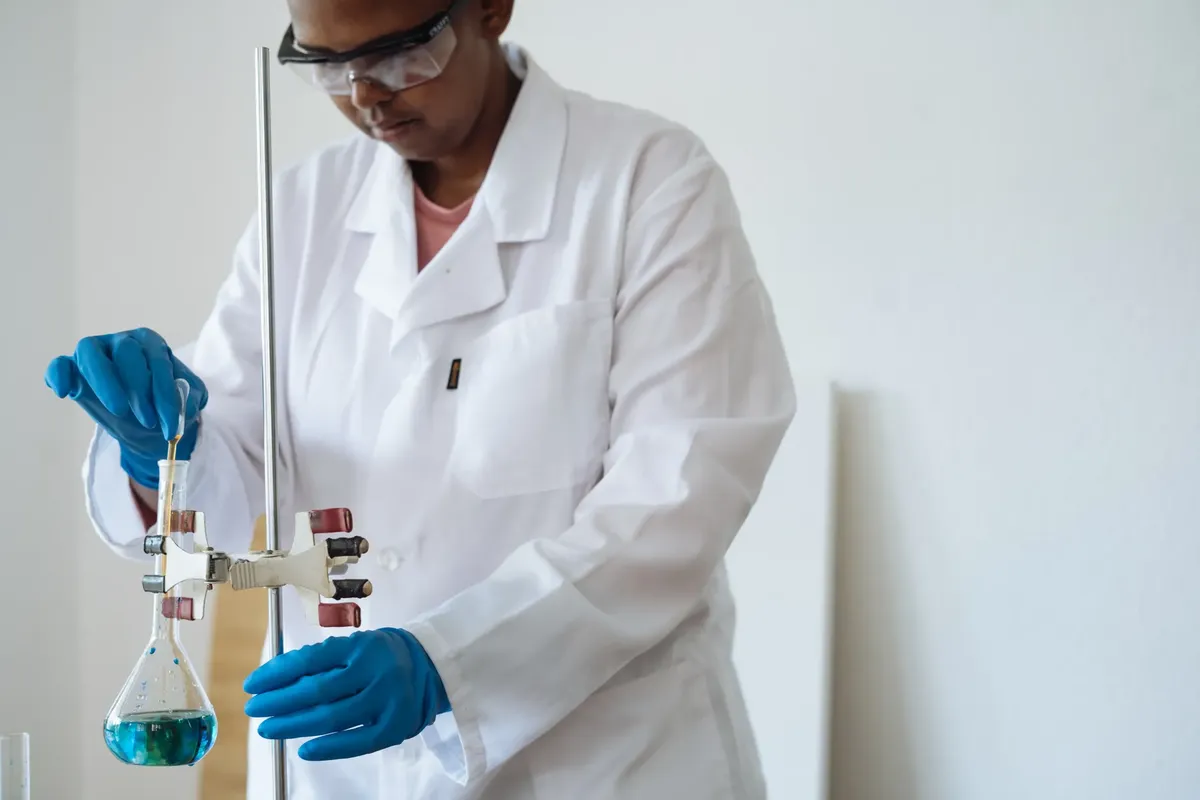
A final check involves verifying that all credentials meet the standards of the specific region or governing body where you intend to practice. For example, students might take a standard examination, such as the CSMLS exam, to be qualified as a medical laboratory technologist.
| Role Type | Primary Focus |
|---|---|
| Specialized Technologist | Advanced diagnostic tasks using specific credentials |
| Generalist Scientist | Broad clinical diagnosis and laboratory support |
I found that focusing on a specific certification, like hematology, provided a much clearer career path than remaining a generalist.
A limitation of these career paths is that certain specialized roles may require intensive clinical training periods, which can involve working 40 hours per week for 20 to 32 weeks with limited or no compensation.
- Identify a specific niche, such as hematology or microbiology, that aligns with your interests.
- Pursue advanced certifications or specialized training relevant to that field.
- Seek hands-on experience through internal transfers or specialized laboratory roles.
Related







Comments 0