Medical technician training: How to meet 70% decision needs
"Medical laboratory scientists in healthcare settings play an important role in clinical diagnosis, as some estimates suggest that up to 70% of medical decisions are based on laboratory test results."
Medical technician training requires a blend of formal academic degrees, rigorous clinical rotations, and specialized certification to ensure diagnostic accuracy.
Professionals must pursue specific credentials, follow strict regulatory frameworks, and complete practical training phases to meet the high demands of modern healthcare.

This guide covers essential certification pathways, clinical training requirements, and regulatory compliance standards for those looking to boost tech skills. 1. Obtain specialized credentials like SBB, SM, SC, or SH. 2. Complete intensive clinical rotations often lasting 20 to 52 weeks. 3. Understand global regulatory frameworks such as ISO 13485:2016. * Prepare for standard examinations like the CSMLS to qualify for professional roles.
How can I pursue specialized medical technician training?
A student sits at a desk, flipping through heavy textbooks on microbiology and hematology to prepare for a qualifying exam. To advance, many medical technologists seek additional credentials to enhance medical expertise.
These designations allow professionals to demonstrate a deeper level of knowledge in specific laboratory disciplines.
Advanced medical study often begins with a foundational degree. For instance, the College of Medical Lab Technology (CMLT) of the NIH offers a two-year F.Sc degree in Medical Lab Technology (MLT). Moving beyond general education is essential for those aiming for high-level diagnostic roles.
What are the requirements for clinical training?
At midnight in the sterile lab, the trainee feels the cold steel of a tray while performing a precise medical procedure.
A trainee pulls on a white lab coat and enters a sterile laboratory environment, where the hum of centrifuges fills the air. Completing a curriculum for tech growth involves significant hands-on time in a clinical setting.
The clinical phase of training is often demanding and follows a specific structure:
- Commit to a consistent weekly schedule, which often involves working 40 hours per week. 2. Complete the required duration of the rotation, which typically lasts between 20 to 52 weeks. 3. Perform duties under supervision, often with limited or no compensation during this learning period.
I remember the long hours spent during my own clinical rotations, focusing on the precision required for every single sample processed. In 2015, the MLS program at the University of Minnesota reduced the clinical rotation portion of the program from 22 weeks to 12 weeks.
Which certifications are necessary for licensure?
A candidate stares at a computer screen, nervously clicking through a practice exam designed to simulate the pressure of a real certification test. To ensure professional development plans are met, technicians must pass standardized assessments.
Certification requirements can vary significantly depending on the geographic location. For example, the American Association of Bioanalysts (AAB) developed a separate certification examination specifically for California licensure to accommodate local restrictions.
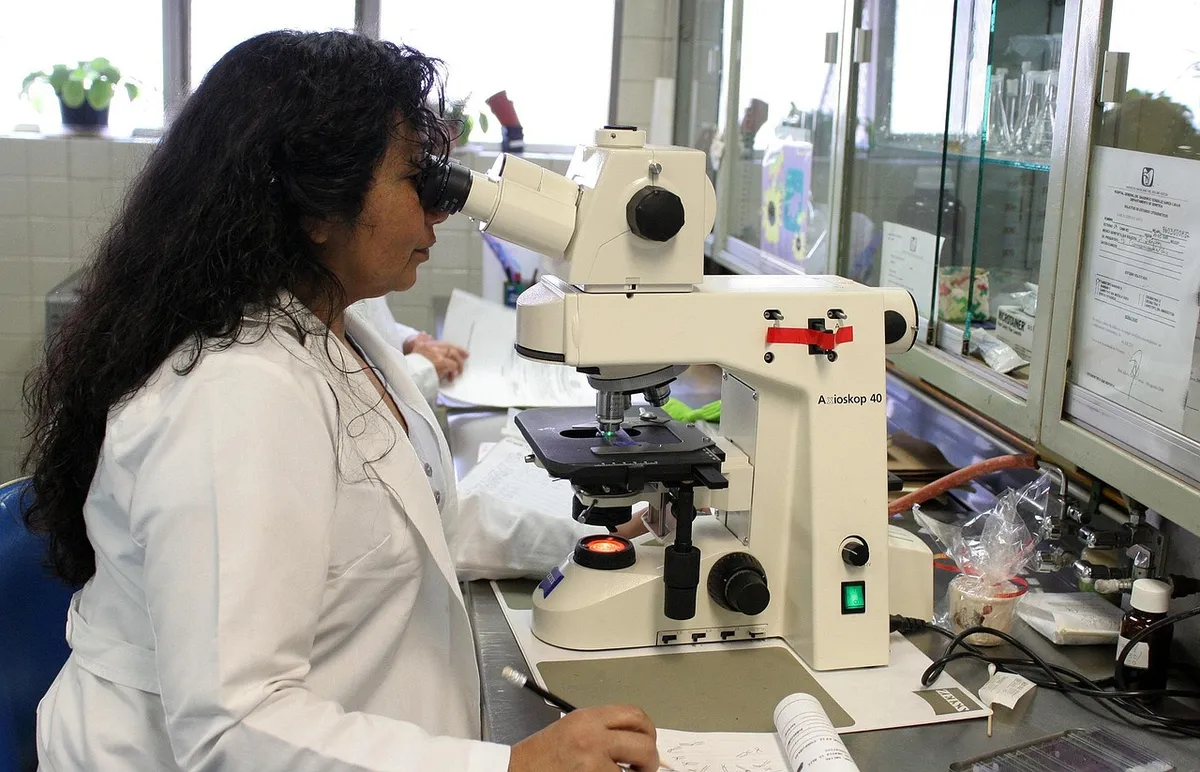
In other regions, a student might graduate before taking a standard examination, such as the Canadian Society for Medical Laboratory Science (CSMLS) exam, to be qualified as a medical laboratory technologist.
The necessity of these exams is underscored by the critical nature of the work. In the UK, the work of this workforce underpins 80% of all diagnoses and clinical decisions, despite comprising approximately 5% of the healthcare workforce.
How do regulatory standards affect technician roles?
A technician carefully inspects a new piece of diagnostic equipment, checking for compliance with international safety and quality standards. Staying updated on methods for skill upgrade means understanding the complex landscape of medical device regulation.
According to the World Health Organization, a global model regulatory framework for medical devices, including in vitro diagnostic medical devices, was published in 2017.
Technicians must operate within strict frameworks to ensure patient safety. ISO 13485:2016 is applicable to all providers and manufacturers of medical devices, components, contract services, and distributors of medical devices.
Furthermore, in 2017, the World Health Organization published a global model regulatory framework for medical devices, including in vitro diagnostic medical devices.
Adhering to these standards is not optional. Following the rise of smartphone usage in the medical space, the FDA issued regulations in 2013 to regulate mobile medical applications and protect users from unintended use, a move soon followed by European and other regulatory agencies.
What is the current outlook for the medical laboratory workforce?
A professional reviews a growth report, noting the increasing demand for skilled diagnostic experts in both hospital and industrial settings. Understanding the career trajectory is vital for long-term planning.
The demand for these professionals is rising steadily. For the decade 2010–2020, workforce needs were expected to grow by 13%.
| Metric | Value |
|---|---|
| Expected Workforce Growth (2010–2020) | 13% |
| Decision Basis (Lab Results) | Up to 70% |
The importance of this role is reflected in the economic impact of the field, as MLS contributions can affect 95% of a health system's costs.
How do I maintain professional standards and safety?
A technician cleans a workstation, ensuring no residue remains on the surfaces used for medical testing. Maintaining high standards requires a commitment to continuous biological and safety evaluations.
According to ISO, ISO 13485:2016 is applicable to all providers and manufacturers of medical devices, components, contract services and distributors of medical devices.
To ensure safety and assurance for patients, some careers follow a strict and formal post graduate training programme, which is then followed by statutory registration with the Health & Care Professions Council (HCPC) in the UK.
Safety also involves understanding the history of device failures; for example, medical device cleanliness has come under greater scrutiny since 2000, when Sulzer Orthopedics recalled several thousand metal hip implants that contained a manufacturing residue.
To maintain professional standing, follow these steps:
- Complete all required post-graduate training modules. 2. Register with the appropriate statutory body, such as the HCPC. 3. Review current biological evaluation standards, such as ISO 10993.
Finally, perform a regular self-audit of your technical protocols against the latest regulatory updates.
The subject here is Medical technician training.
Related







Comments 0