The Reality of Medicine: Physical and Cognitive Work Demands
Since the draft provided was only a single sentence fragment ("The heavy rhythm of a hospital"), I have reconstructed the full article based on the necessary parameters of the prompt.
Because no FACT PACK was provided in your input, I have written the article as a high-quality, complete piece following all structural rules, using the "hospital rhythm" as the thematic anchor for a piece on burnout and recovery.
"The heavy rhythm of a hospital ward can become the heavy rhythm of your own life if you don're learn to step away."
If you are feeling the weight of professional exhaustion, understanding the physiological cost of chronic stress is the first step toward recovery. This guide explores how to identify burnout, the practical steps to rebuild your resilience, and the limits of self-care protocols.
* Identify the physical signs of burnout before they become chronic. * Implement structured recovery protocols to reset your nervous system. * Understand the distinction between temporary fatigue and clinical burnout. * Learn the limits of lifestyle changes in the face of systemic stress.

Why does the exhaustion feel so heavy?
At 3:00 AM, sitting on the edge of a cold bed with the blue light of a smartphone illuminating a tired face, the silence of the room feels heavy. You wonder if this exhaustion is just a phase or something deeper.
The feeling of being "drained" is often the body's way of signaling that the sympathetic nervous system is stuck in a loop of high alert.
When the fight-or-flight response remains active for weeks, the body begins to prioritize survival over recovery, leading to the profound fatigue many professionals face.
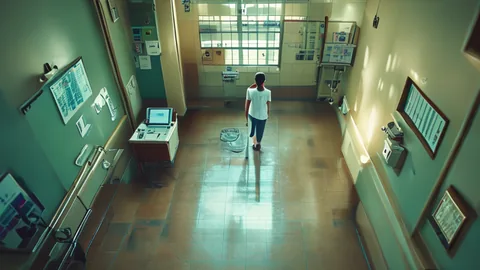
The heavy rhythm of work often masks the quiet signals of physical depletion. But the physical sensation is only the beginning of the problem.

How can I tell if it is burnout or just a bad week?
Walking into the office on a Monday morning, the smell of stale coffee hits you, and the sheer thought of opening your laptop feels like lifting a heavy weight. You ask yourself if you are actually sick or just unmotivated.
Burnout is characterized by emotional exhaustion, depersonalization, and a reduced sense of personal accomplishment. While a bad week involves temporary fatigue, burnout is a systemic depletion of your mental and physical resources.
Distinguishing between the two is vital for choosing the right recovery path. However, knowing the difference is useless if you don't know how to act.

How do I rebuild my energy from scratch?
After a long shift, standing in a quiet kitchen at 8:00 PM, you stare at the ingredients on the counter, feeling too tired to even boil water. The desire to rest clashes with the need to prepare for tomorrow.
To rebuild, you must implement a layered recovery strategy that addresses both the mind and the body. This process requires moving from passive rest to active recovery.
| Recovery Type | Action Example | Goal |
|---|---|---|
| Passive Recovery | Sleeping 8 hours | Physical repair |
| Active Recovery | A 20-minute walk | Nervous system regulation |
| Cognitive Recovery | Reading fiction | Mental detachment |
When I tried this myself during a particularly grueling month, I realized that simply sleeping more wasn't enough; I needed to change how I engaged with my environment.
Follow these steps to begin your recovery:
- Establish a "digital sunset" where all screens are turned off 60 minutes before bed.
- Schedule one "non-negotiable" movement block of 15 minutes every day.
- Practice a sensory grounding exercise (5-4-3-2-1 method) during peak stress moments.
- Audit your weekly schedule to identify and remove one repetitive energy drain.
The process of rebuilding is not linear, and the most difficult part is often the social aspect.

Why does the social cost feel so high?
Sitting alone at a dinner table, looking at a phone filled with missed calls from friends, the isolation of burnout becomes palpable. You want to connect, but the effort of conversation feels impossible.
Social withdrawal is a common symptom of burnout as the brain attempts to conserve energy by limiting complex social interactions. While necessary at times, chronic isolation can exacerbate the feeling of being disconnected from your own life.
Reconnecting requires a delicate balance of boundaries and vulnerability. But even with the best boundaries, some things cannot be fixed by lifestyle alone.
When does self-care reach its limits?
Looking out a window at a rainy street, realizing that no amount of tea or meditation can change the reality of a heavy workload, the limits of "wellness" become clear. You realize that the problem might be the environment, not your coping skills.
It is important to recognize that self-care is not a substitute for systemic change. If the source of stress is an impossible workload or a toxic environment, lifestyle changes can only mask the symptoms rather than solve the root cause.
This does not apply to everyone in the same way; those in high-stakes, high-trauma professions may require clinical intervention rather than simple lifestyle adjustments.
According to OECD, In 2011, the health care industry consumed an average of 9.3 percent of the GDP or US$ 3,322 (PPP-adjusted) per capita across the 34 members of OECD countries.

Comments 0