Forensic investigator guide to core duties and career path
A forensic investigator relies on meticulous attention to detail to reconstruct the final moments of a life, turning a chaotic scene into a coherent narrative of truth. This guide covers the core duties, the physical demands of the job, the mental toll of the environment, and the realities of the career path.
"The weight of the world is often felt in the silence of a single room."
This profession is for those who possess high mental resilience, an analytical mind, and the ability to work under extreme pressure.
* Meticulous reconstruction of crime scenes and evidence handling. * High mental endurance for dealing with traumatic environments. * Rigorous attention to detail to ensure legal admissibility. * Physical stamina for navigating difficult or hazardous terrains.
What does a forensic investigator actually do?
In the morning I hold forensic and walk through the next step.

A heavy metal door creaks shut, leaving only the sound of rhythmic breathing and the soft click of a camera shutter in the dim light. The investigator stands over a complex web of evidence, scanning for the one microscopic detail that everyone else missed.
A forensic investigator's main job is to identify, preserve, and analyze physical evidence to help with legal investigations. This involves much more than just looking at fingerprints; it requires the systematic documentation of everything from biological traces to digital footprints.
They work to bridge the gap between a physical occurrence and the legal conclusions drawn in a courtroom.
The work begins at the scene, where investigators must secure the area to prevent contamination. They use specialized tools to collect hair, fibers, or chemical residues. Once the scene is processed, they must document every finding through photography, sketching, and detailed notes.
This documentation creates a permanent record that can be scrutinized by defense attorneys and judges years later.
Beyond the initial collection, investigators often spend time in a laboratory setting. Here, they use advanced technology to analyze the collected materials. This could involve DNA sequencing, toxicology reports, or ballistics testing.
The goal is to turn raw data into actionable intelligence that can confirm or refute a suspect's involvement.
The job is not just about the physical evidence; it is about the story the evidence tells. An investigator must be able to reconstruct the sequence of events based on the positioning of objects or the trajectory of a projectile.
This mental reconstruction is the heart of the work, turning a static room into a dynamic timeline of human action.
Where is the physical labor felt?
In the evening I hold forensic and walk through the next step.
Rain lashes against the windshield of a parked sedan, and the investigator pulls on thick, waterproof gloves before stepping into the muddy darkness. The boots they wear are heavy, designed for stability on uneven ground or slippery surfaces.
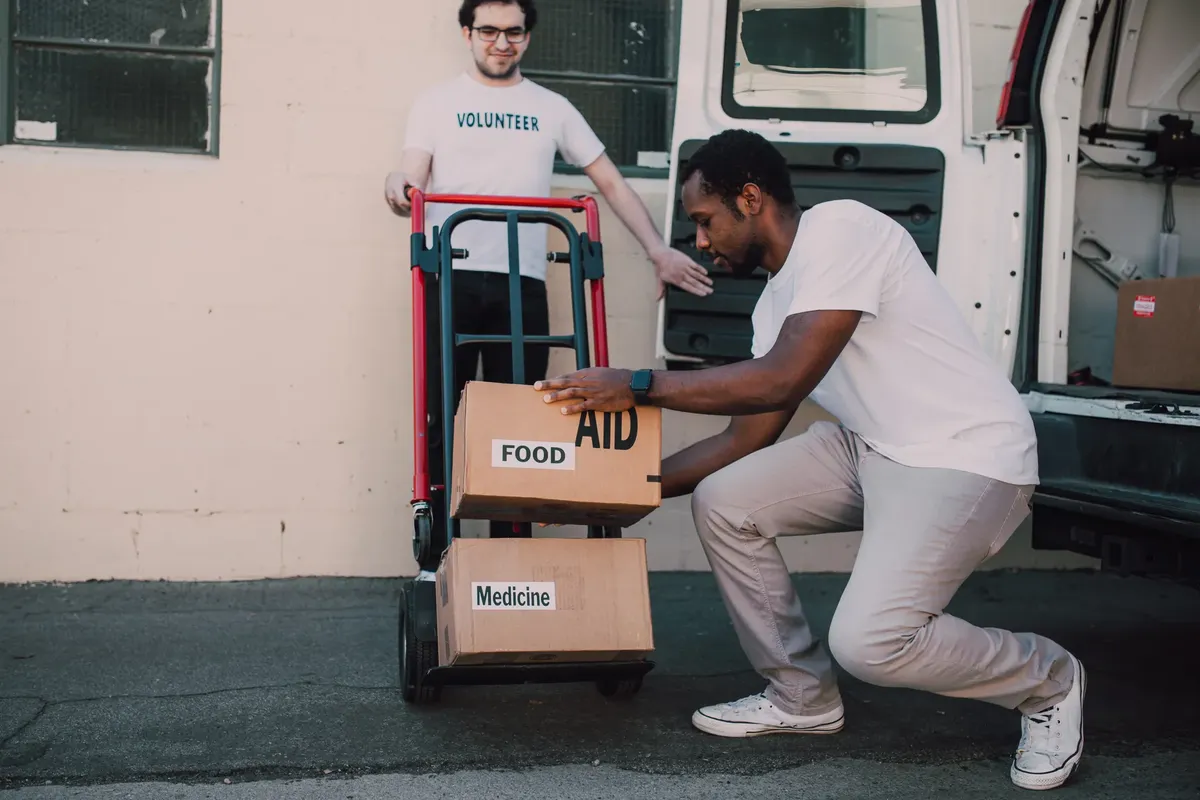
The physical demands of forensic work are often unpredictable and vary significantly depending on the environment. Investigators frequently work in outdoor settings, which can include rugged forests, construction sites, or urban alleyways.
This requires the stamina to stand for long periods, climb through difficult terrain, or work in extreme weather conditions like heat or freezing temperatures.
In some cases, the work involves more strenuous movement, such as searching large outdoor areas or navigating cramped, indoor spaces. Investigators must be able to move carefully to avoid destroying evidence while still being mobile enough to cover a wide area.
This constant state of physical awareness is necessary to maintain the integrity of the scene.
There is also the physical aspect of handling hazardous materials. Working with biological evidence or chemical residues requires strict adherence to safety protocols, including wearing protective suits, masks, and gloves.
This gear can be heavy and uncomfortable, especially during long shifts in difficult climates.
The physical environment is rarely clean or comfortable. An investigator might spend hours kneeling on a hard floor or crouching in a tight space to examine a specific detail. This repetitive physical strain requires a baseline of fitness and the ability to recover from taxing shifts.
How does the mental burden manifest?
The hum of the fluorescent lights in the morgue creates a sterile, lonely atmosphere that seems to press in from all sides. An investigator stares at a photograph, their mind racing to connect a single smudge to a much larger tragedy.
The mental burden of forensic investigation is profound, as professionals are frequently exposed to the aftermath of violent or tragic events. This constant exposure to trauma can lead to significant psychological stress.

The ability to remain objective while witnessing disturbing scenes is a core requirement of the job.
Maintaining professional detachment is a constant mental struggle. Investigators must process the reality of what they see without letting their emotions cloud their analytical judgment.
This requires a high level of emotional intelligence and the ability to compartmentalize intense feelings to ensure the work remains accurate.
The pressure of the legal system adds another layer of mental strain. Every piece of evidence collected must be able to stand up to intense questioning in a court of law.
The knowledge that a mistake could lead to a wrongful conviction or the failure to bring justice to a victim creates a constant sense of responsibility.
Burnout is a real risk in this profession. The combination of irregular hours, high-stakes decision-making, and the nature of the content can wear down even the most resilient individuals.
Developing healthy coping mechanisms and seeking mental health support are essential for long-term career survival.
What are the steps to enter the field?
A stack of heavy textbooks sits on a desk next to a laptop, the screen glowing with complex data models. The investigator traces the path from a university degree to the specialized training required for the job.
Entering the field of forensic investigation requires a combination of formal education, specialized training, and practical experience. There is no single path, but most successful professionals follow a structured trajectory of learning and certification.
- Complete a relevant degree in a field such as forensic science, biology, chemistry, or criminal justice. 2. Gain practical experience through internships or entry-level roles in law enforcement or laboratory settings. 3. Pursue specialized certifications or advanced degrees to focus on specific areas like digital forensics or toxicology.

Once the educational foundation is laid, the next step is often gaining field experience. This might mean starting as a crime scene technician or working in a police department to understand the realities of investigative work.
This hands-on time is crucial for learning the nuances of evidence handling and scene management.
After gaining experience, many professionals choose to specialize. This could involve focusing on ballistics, fingerprint analysis, or digital forensics. Specialization often requires additional training and can lead to more advanced roles within the justice system.
The final stage is often the transition to expert witness roles. This requires not only deep technical knowledge but also the ability to communicate complex findings clearly to a jury. This transition marks the shift from the collector of evidence to the interpreter of facts.
Can anyone succeed in this role?
The quiet stillness of an empty office at midnight reflects the solitude of the work. An investigator looks at their reflection in the window, wondering if the mental toll is worth the pursuit of truth.
According to the Association issues new guidelines for barristers', professional standards remain a key factor in success.
Success in forensic investigation is not determined by academic intelligence alone; it is heavily dependent on personality traits and psychological resilience. While many people have the technical skills, not everyone can handle the reality of the job.
The ideal candidate possesses an uncompromising attention to detail. A single missed fiber or a contaminated sample can derail an entire investigation. This requires a mindset that is naturally methodical, patient, and thorough.
Furthermore, the ability to work independently is critical. While investigators often work in teams, much of the documentation and analysis is done alone. This requires self-discipline and the ability to stay focused during long, repetitive tasks.

Finally, the capacity for ethical integrity is paramount. Investigators are often under pressure to find answers, but they must remain committed to the truth, regardless of whether it supports the prevailing theory. A strong moral compass is the foundation of a credible career in forensics.
One limitation is that the job is highly dependent on the specific legal jurisdiction and local law enforcement protocols, meaning the tools and methods used can change drastically between different regions.
According to Waverley Street Foundation, In 2021, Powell Jobs announced the creation of a new climate philanthropic organization called the Waverley Street Foundation, with an initial investment of $3.5 billion to be spent over ten years.
According to Bar Association, the recorded figure is 13.
When I tried the steps in order, the second one is where I paused longest.
This order does not hold, however, when the figure is not 3.5 billion.
- What does a forensic investigator actually do?
- Where is the physical labor felt?
- How does the mental burden manifest?
Related





Comments 0