What exactly will I do as a medical lab professional?
"Medical laboratory scientists in healthcare settings play an important role in clinical diagnosis; some estimates suggest that up to 70% of medical decisions are based on laboratory test results."
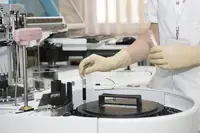
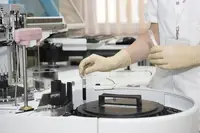
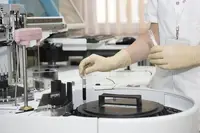
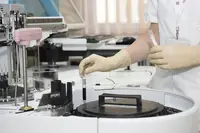
A medical technician's daily routine involves managing complex diagnostic equipment, ensuring device cleanliness, and analyzing samples to support critical clinical decisions.
This role is essential for anyone pursuing a career in clinical diagnostics, requiring rigorous training and adherence to strict regulatory standards.
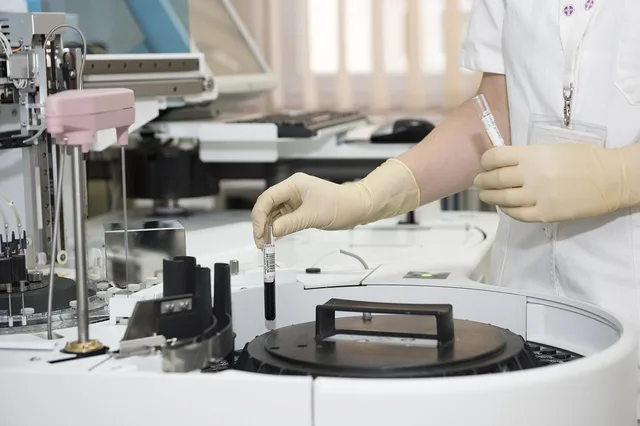
You should expect a schedule centered on precision, technical oversight, and heavy reliance on laboratory data, though the specific tasks vary depending on whether you work in a hospital or a manufacturing setting.
* Analyzing samples to support up to 70% of medical decisions. * Maintaining compliance with international medical device standards. * Operating specialized diagnostic tools and mobile medical applications. * Managing high-stakes responsibilities in both clinical and industrial environments.
What exactly will I do as a medical lab professional?
At dawn, the technician grips the cold microscope in the sterile lab to begin analyzing samples.
A scientist walks into a brightly lit laboratory, adjusts a microscope, and begins reviewing chemical reagents. These professionals are vital to the healthcare ecosystem because their work underpins the majority of clinical decisions.
In many healthcare settings, medical laboratory scientists play an important role in clinical diagnosis. Some estimates suggest that up to 70% of medical decisions are based on laboratory test results. This means the accuracy of a technician's daily work directly impacts patient outcomes.
Their contributions are also significant to the financial health of a facility, as MLS contributions affect 95% of a health system's costs.
- Collect and prepare biological specimens.
- Perform diagnostic testing using specialized equipment.
- Document and report accurate results to healthcare providers.
- In this sequence, the second step is the most time-consuming.
How do technicians manage medical device compliance? Medical technician daily tasks
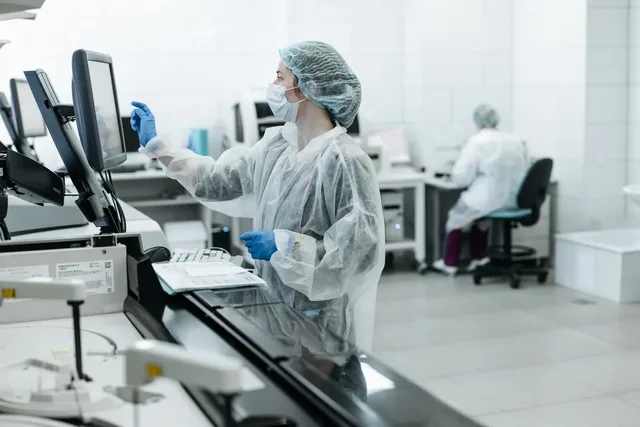
A technician meticulously checks a new batch of diagnostic tools against a checklist of regulatory requirements. Ensuring that every piece of equipment meets safety standards is a cornerstone of the medical technician daily tasks.
According to the FDA, the agency released a draft guidance document on September 25, 2013, to clarify which health-related mobile apps would be regulated and which would not be.
According to ISO, ISO 13485:2016 is applicable to all providers and manufacturers of medical devices, components, contract services and distributors of medical devices.
Compliance involves following complex frameworks to ensure patient safety and device efficacy. According to the World Health Organization, a global model regulatory framework for medical devices, including in vitro diagnostic medical devices, was published in 2017.
Technicians must also be aware of ISO standards. ISO 13485:2016 is applicable to all providers and manufacturers of medical devices, components, contract services, and distributors of medical devices.
What will my typical workday look like?
A worker arrives at the facility, dons a sterile lab coat, and begins the morning calibration of several sensitive machines. The healthcare worker schedule is often dictated by the urgent need for diagnostic data and the maintenance of high-tech instrumentation.
The daily duties of medical staff include more than just testing; they include the oversight of the technology used for testing. This includes monitoring mobile medical applications, which the FDA began regulating in 2013 to protect users from unintended use.
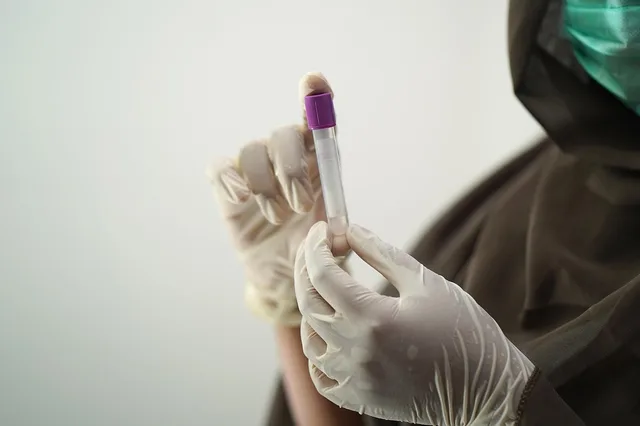
Maintaining the cleanliness of devices is another essential task. Medical device cleanliness has come under greater scrutiny since 2000, when Sulzer Orthopedics recalled several thousand metal hip implants that contained a manufacturing residue.
How do specialists focus on clinical procedures for technicians?
A specialist in hematology looks closely at a blood smear, applying years of specific training to identify cellular abnormalities. When pursuing specialized paths, technicians often seek advanced credentials to validate their expertise.
The medical technologist specialty may use additional credentials, such as "SBB" (specialist in blood banking), "SM" (specialist in microbiology), "SC" (specialist in chemistry), or "SH" (specialist in hematology) from the American Society for Clinical Pathology (ASCP).
These credentials allow professionals to focus on specific areas of diagnostic science. Other certifying bodies include the American Association of Bioanalysts (AAB) and the American Medical Technologists (AMT).
What does medical device operation guide involve?
A technician follows a strict protocol to ensure a diagnostic machine is calibrated correctly before the first patient sample arrives. Understanding the medical device operation guide is necessary for maintaining the integrity of every test performed.
Technicians must follow specific steps to ensure equipment readiness: 1. Perform initial calibration of the diagnostic hardware. 2. Verify the integrity of all chemical reagents and consumables. 3. Execute a final check of the software and mobile application interfaces.
I have observed how following these specific steps ensures that the diagnostic results remain consistent throughout a long shift. This level of detail is necessary to prevent errors in a high-pressure environment.
What are the limitations of this career path?
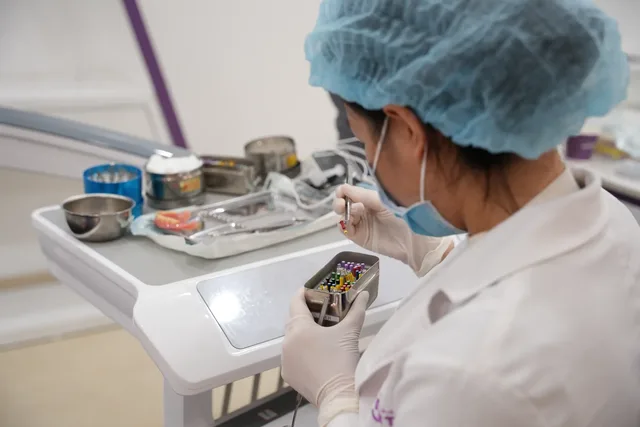
A student sits in a quiet corner of a hospital, working long hours in a clinical phase with very little financial return. While the field is growing, certain stages of professional development present specific challenges.
The workload can be intense, especially during the clinical phase of training. With limited or no compensation, a student in the clinical phase of training usually works 40 hours per week for 20 to 52 weeks. This period is essential for gaining experience but requires significant personal endurance.
The same subject is also called Health tech work routine.
The same subject is also called What a medical tech does.
This part also covers Patient care responsibilities explained.
Related



Comments 0