Medical tech diagnostic data: Tips for career paths guide
"The accuracy of a single test result can change a patient's life entirely."
Medical laboratory professionals provide the critical data that drives clinical decisions, often forming the foundation of patient care.
This guide explores how medical laboratory scientists handle essential data, the roles they play in diagnostic reliability, and the professional standards that govern their work.
You will learn about the weight of their analytical contributions, the diverse career paths available, and the necessity of specialized credentials.
How does medical laboratory data impact clinical decisions?
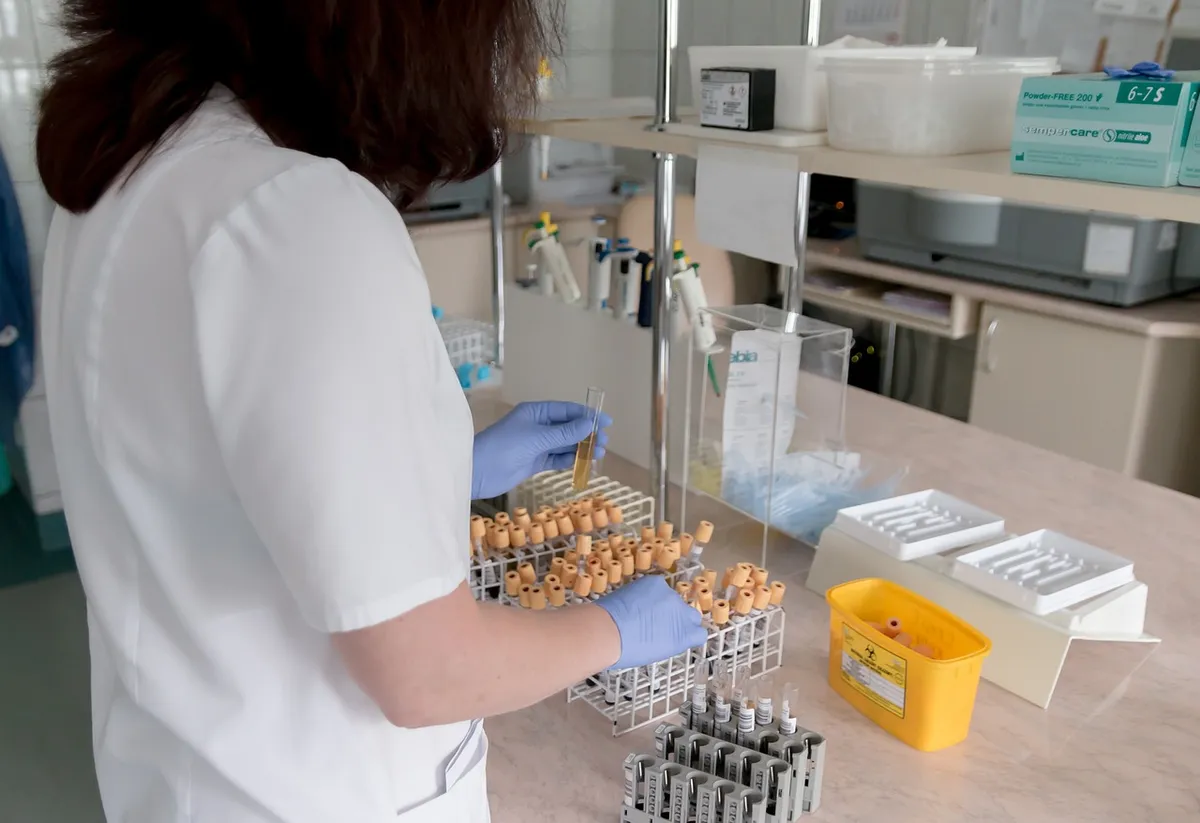
A scientist stares intently at a glowing monitor, reviewing complex biochemical readings that must be perfect. In many healthcare settings, the data provided by these professionals is the primary driver of patient care.
Some estimates suggest that up to 70% of medical decisions are based on laboratory test results. This high level of influence means that the precision of medical laboratory diagnostic data is vital for patient safety.
The work of these specialists is not just a support role; it is a decision-making cornerstone. Their contributions affect 95% of a health system's costs, highlighting the economic and clinical weight of their output.
However, the utility of this data is limited if the specimen collection process is flawed.
What are the different roles for a medical technologist?
A professional adjusts a pipette while preparing for a specialized microbiology culture. The field offers various paths depending on the specific area of focus and the level of expertise required.
This variety allows for a wide range of career applications.
For those seeking deeper expertise, the American Society for Clinical Pathology (ASCP) offers specialized credentials such as "SBB" (specialist in blood banking), "SM" (specialist in microbiology), "SC" (specialist in chemistry), or "SH" (specialist in hematology).
These credentials ensure that the tech role in diagnosis remains precise and standardized across different scientific disciplines.
However, these roles may vary significantly depending on the specific hospital setting.
How do professionals prepare for a career in this field?

A student sits in a quiet library, studying for a rigorous certification exam. Training involves a combination of formal education and intensive clinical practice to ensure competency.
The path to becoming a qualified professional often involves several stages:
- Complete a formal degree, such as the two-year F.Sc degree in Medical Lab Technology offered by the College of Medical Lab Technology (CMLT) of the NIH. 2. Participate in a clinical phase of training, which usually involves working 40 hours per week for 20 to 52 weeks. 3. Pass a standard examination, such as the Canadian Society for Medical Laboratory Science (CSMLS) exam, to become fully qualified.
I remember the intensity of those 40-hour weeks during clinical training, where every single measurement felt like a high-stakes responsibility.
For those looking toward leadership, advanced degrees like a Master of Science or a Doctor of medical laboratory science are used for specialization, education, and management roles.
- Complete the required academic coursework.
- Fulfill clinical internship requirements.
- Pass the professional certification exams.
What are the primary professional organizations?
A researcher consults a handbook of standards to ensure all protocols meet international requirements. Professional organizations set the tone for excellence and provide the framework for continuous learning.
The industry is shaped by several key bodies. They are the American Association of Bioanalysts (AAB), the American Medical Technologists (AMT), and the American Society for Clinical Pathology (ASCP). These organizations help maintain high standards for data use in medical tests.
By following these established guidelines, professionals ensure that their analysis meets the needs of the global healthcare community.
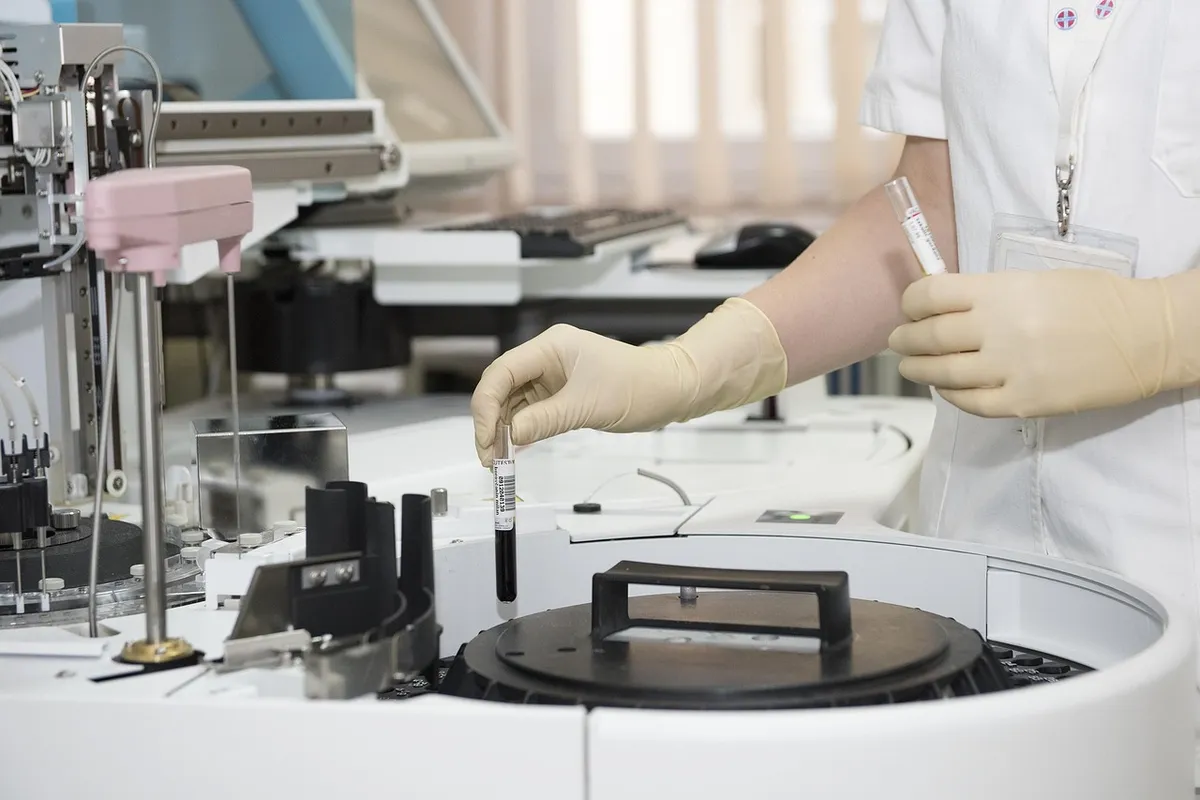
However, membership benefits may not apply to those working in strictly academic research roles.
How does the workforce look globally?
A technician in a busy metropolitan lab works alongside colleagues from diverse backgrounds. The demand for these skills varies by region but remains a constant necessity in modern medicine.
According to the World Health Organization, a global model regulatory framework for medical devices, including in vitro diagnostic medical devices, was published in 2017.
Based on information from ISO, ISO 13485:2016 is applicable to all providers and manufacturers of medical devices, components, contract services and distributors of medical devices.
According to the FDA, in 2013, the FDA issued to regulate mobile medical applications and protect users from their unintended use, soon followed by European and other regulatory agencies.
In the UK, although this workforce comprises approximately 5% of the healthcare workforce, their work underpins 80% of all diagnoses and clinical decisions. This illustrates how a small but highly skilled group can support a massive healthcare infrastructure.
In Nigeria, the Medical Laboratory Science programme is the Bachelor of Medical Laboratory Science (BMLS), which is regulated by the National Universities Commission (NUC) and the Medical Laboratory Science Council of Nigeria (MLSCN).
For the decade 2010–2020, workforce needs were expected to grow by 13%.
However, these trends may not apply to regions with different regulatory standards.
How is accuracy maintained through specialized training?
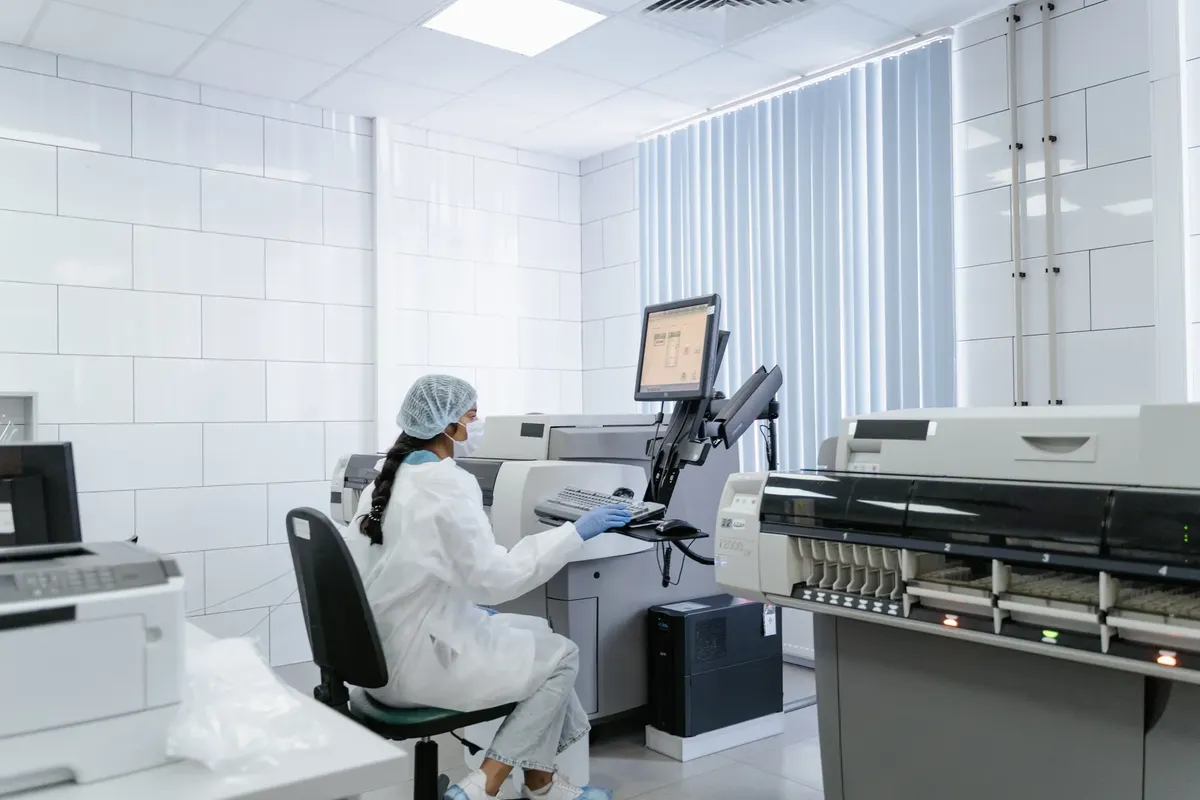
A scientist double-checks a calibration setting before running a new batch of samples. Maintaining the integrity of medical lab analysis requires constant vigilance and adherence to strict protocols.
To ensure the highest level of accuracy, professionals follow these steps:
- Complete foundational education to understand the science behind the tests. 2. Obtain specialized credentials to demonstrate mastery in specific areas like hematology or chemistry. 3. Engage in continuous professional development to stay current with evolving technologies.
A final check of all protocols ensures that every result is reproducible and reliable. When managing complex data, the importance of lab data integrity cannot be overstated.
In this sequence, the second step is the most intensive.
Related
- Gypsy Rose Blanchard past job: Tips on her unique life roles
- Tech role in hospital diagnosis: 95% cost impact guide
What conditions necessitate stringent data review?
When a patient's condition is critical, the review of a single test result demands extreme scrutiny. The high stakes inherent in patient care mean that any potential error in the data requires immediate investigation.
Professionals must adhere to rigorous protocols when analyzing results that could alter a patient's life entirely. This vigilance is necessary because the accuracy of a single test result can change a patient's life entirely.
How does specialization enhance diagnostic accuracy?
Specialized credentials allow technologists to focus their expertise on specific laboratory functions. For example, a specialist in hematology brings focused knowledge to blood analysis, improving the reliability of those particular tests.
This targeted knowledge enhances the overall accuracy of the diagnostic process within the health system. Such specialization ensures that the interpretation of complex data aligns with the highest professional standards.
The continuous professional development mentioned in the training section is crucial for maintaining accuracy. As technologies advance, the methods for data collection and analysis also evolve, requiring professionals to keep their knowledge current.
This ongoing education supports the integrity of the medical laboratory data.
The comparison between the broad influence of lab results and the focused expertise of a specialist highlights the multifaceted nature of the field. While many decisions rely on lab data, the depth of understanding provided by a specialist elevates the quality of that decision-making cornerstone.







Comments 0