Medical technician process: How to guide patient outcomes
"The laboratory is the silent engine of the hospital, where microscopic data transforms into life-saving decisions."
A medical laboratory scientist manages the critical path from sample collection to the delivery of actionable data used in clinical settings. This guide explores the diagnostic testing flow, the specialized roles within the lab, and how these professionals uphold the integrity of medical decisions.

* Diagnostic testing flow: The journey from sample to results. * Specialized roles: Understanding credentials like SM or SC. * Workforce impact: How small teams drive massive clinical decisions. * Training and regulation: The path to professional qualification.
How does the medical laboratory scientist process affect clinical decisions?
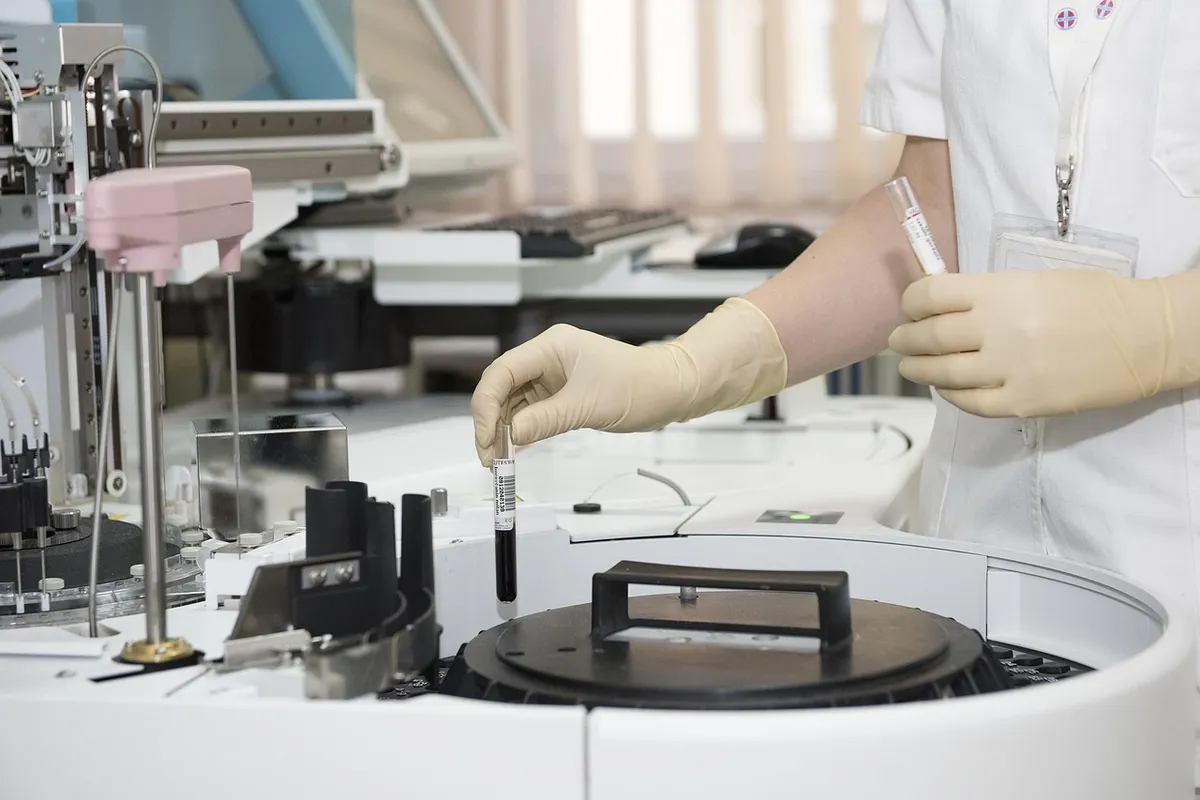
A technician carefully places a vial into a centrifuge, watching the liquid separate into distinct layers. This meticulous sample analysis steps represent the foundation of modern medicine, where accuracy is paramount.
In many healthcare settings, the work performed by these professionals is vital to patient outcomes. Some estimates suggest that up to 70% of medical decisions are based on laboratory test results. Furthermore, the contributions of medical laboratory scientists affect 95% of a health system's costs.
By managing these high-stakes processes, they ensure that the data driving physician orders is both reliable and precise.
I find that the accuracy of the initial processing directly influences the final diagnostic outcome.
What are the different roles in a medical laboratory scientist process?
A scientist adjusts the settings on a high-tech analyzer, ensuring the calibration meets strict standards. This ensures the diagnostic testing flow remains consistent across different shifts and laboratory departments.
The diversity of the field allows for deep specialization in specific areas of science. For example, the American Society for Clinical Pathology (ASCP) offers specialized credentials to denote expertise.
These include "SBB" for blood banking, "SM" for microbiology, "SC" for chemistry, or "SH" for hematology. This variety allows the lab to address a wide range of medical needs through specialized knowledge.

I believe the second step in this workflow requires the most attention to detail.
How does the lab technician role impact the broader healthcare workforce?
A technician reviews a digital report on a screen, comparing it to previous patient data. This ensures the lab technician role remains integrated with the larger clinical team.
The scale of the laboratory workforce compared to total healthcare staff is often disproportionate to its size. In the UK, although this workforce comprises approximately 5% of the healthcare workforce, their work underpins 80% of all diagnoses and clinical decisions.
This highlights how essential laboratory work is to the overall functioning of medical institutions.
What are the typical sample analysis steps in a clinical setting?
A professional carefully labels a specimen container to prevent any mix-ups during the testing phase. Following a strict protocol is the only way to ensure patient safety during the medical test journey.
To maintain accuracy, professionals generally follow these essential phases:
- Pre-analytical phase: Preparing the specimen through collection and processing. 2. Analytical phase: Performing the actual testing using specialized equipment or manual methods. 3. Post-analytical phase: Verifying results and communicating findings to clinical staff.
I once observed how a single mislabeled tube could derail the entire diagnostic process, emphasizing the need for constant vigilance. A final check of the patient identifiers against the laboratory requisition is always mandatory before any testing begins.
- Sample collection and labeling
- Specimen preparation and processing
- Analytical testing and result verification
What are the paths to professional qualification?
A student studies a thick textbook, preparing for the rigorous examinations required for certification. This preparation is necessary to handle the complexities of modern medical science.
The path to becoming a specialist involves several rigorous stages of education and testing.
- Academic degree: Completing a relevant program, such as a Bachelor of Medical Laboratory Science. 2. Clinical training: Undergoing hands-on rotations in a hospital or laboratory setting. 3. Certification: Passing a standard examination to become qualified as a professional.
In some regions, such as Nigeria, the Bachelor of Medical Laboratory Science (BMLS) is regulated by the National Universities Commission (NUC) and the Medical Laboratory Science Council of Nigeria (MLSCN).
In the UK, a strict and formal post graduate training programme is followed by statutory registration with the Health & Care Professions Council (HCPC) for the safety and assurance of patients.
How do specialized credentials apply to different laboratory settings?
A professional in a government lab examines a sample under a microscope, following strict regulatory protocols. This ensures the work meets the high standards required for public health oversight.

The application of laboratory science extends far beyond the hospital walls. Many medical laboratory scientists are employed in government positions such as the FDA, USDA, non-medical industrial laboratories, and manufacturing.
This demonstrates that the skills used in a hospital can be applied to broader public health and industrial sectors.
One limitation is that the specific regulatory requirements and degree equivalencies vary significantly between different countries and regional governing bodies.
Medical technician process
The subject here is Medical technician process.
This part also covers From sample to diagnosis.
This part also covers How medical tests work.
This part also covers Technician's role in care.
From sample to diagnosis
Related







Comments 0